2 hrs ago
Experts Explain Why Gut Bacteria Matter More Than We Think
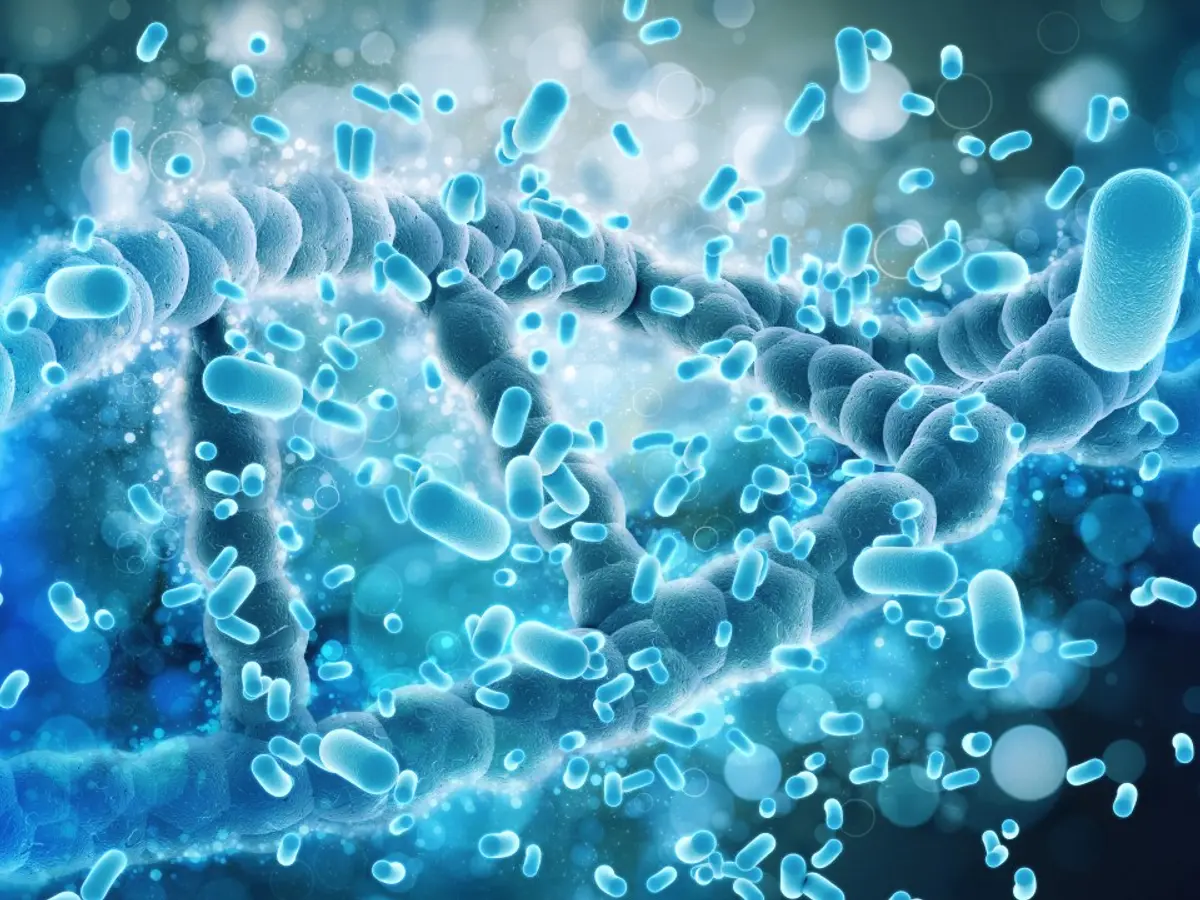
Your gut is home to trillions of tiny living things called microbes.
They help break down some of the food you eat.
They can also help your body get useful nutrients.
Gut microbes interact with the body's immune system, which helps it respond to threats.
Some microbes make substances that may affect how other parts of the body work.
Scientists are studying how the gut and brain communicate.
Food and everyday habits can change the environment these microbes live in.
Experts say there is not just one perfect mix of gut microbes.
Different people can therefore react differently to the same meal.

The gut contains trillions of microorganisms that interact with food and contribute to digestion and nutrition.
Gut microbes are linked to immune function and the intestinal barrier, which helps protect the body.
The article says gut bacteria can produce compounds and neurotransmitters, including serotonin, that may affect bodily functions and mood.
Researchers are studying communication between the gut and brain through neural, metabolic, hormonal and immune pathways.
Experts say food and lifestyle choices can influence the gut’s microbial environment, and there is no single perfect microbiome.
- Who
- Gut microorganisms and the experts quoted, Pranshul Aggarwal and Dr Deeksha Katiyar.
- What
- The article describes how gut microbes may contribute to digestion, nutrition, immune function and communication between the gut and brain.
- Where
- In the human gut.
- When
- The article does not specify a date.
- Why
- Gut microbes interact with food and the body, and researchers are studying their possible effects on health and bodily functions.
Key facts
- Microbial population
- The gut contains trillions of microorganisms.
- Gut-brain research
- Researchers are studying how neural, metabolic, hormonal and immune pathways may enable communication between the gut and brain.
- Immune-system estimate
- The article gives estimates of nearly 70 per cent and up to 80 per cent of immune activity or immune cells being associated with the gut.
- Serotonin claim
- The article states that about 90 per cent of the body's serotonin is produced in the gut.
- Expert perspective
- Pranshul Aggarwal says there is probably no single perfect microbiome.
- Factors mentioned
- Food and lifestyle choices can influence the gut microbial ecosystem.
Quotes
Dr Deeksha Katiyar
MD and founder of WeClinic Homeopathy.
“The gut contains trillions of microorganisms, and their relationship with digestion, immunity and nutrition is far more complex than we once thought.”
 wionews.com
“Far from being passive residents, these microorganisms participate in extraordinary biological functions.”
wionews.com
Sources
Related news
Gut Bacterial Molecule Linked to Alzheimer’s-Related Brain Changes
Hygiene Hypothesis Links Microbial Diversity, Immunity And Allergic Disease

High-Sugar Diet May Worsen Gut Damage During Antibiotics

University Event Urges Students and Researchers to Explore Microorganisms