1 week ago
Tsubaki Stationery Store Celebrates the Quiet Art of Letter Writing
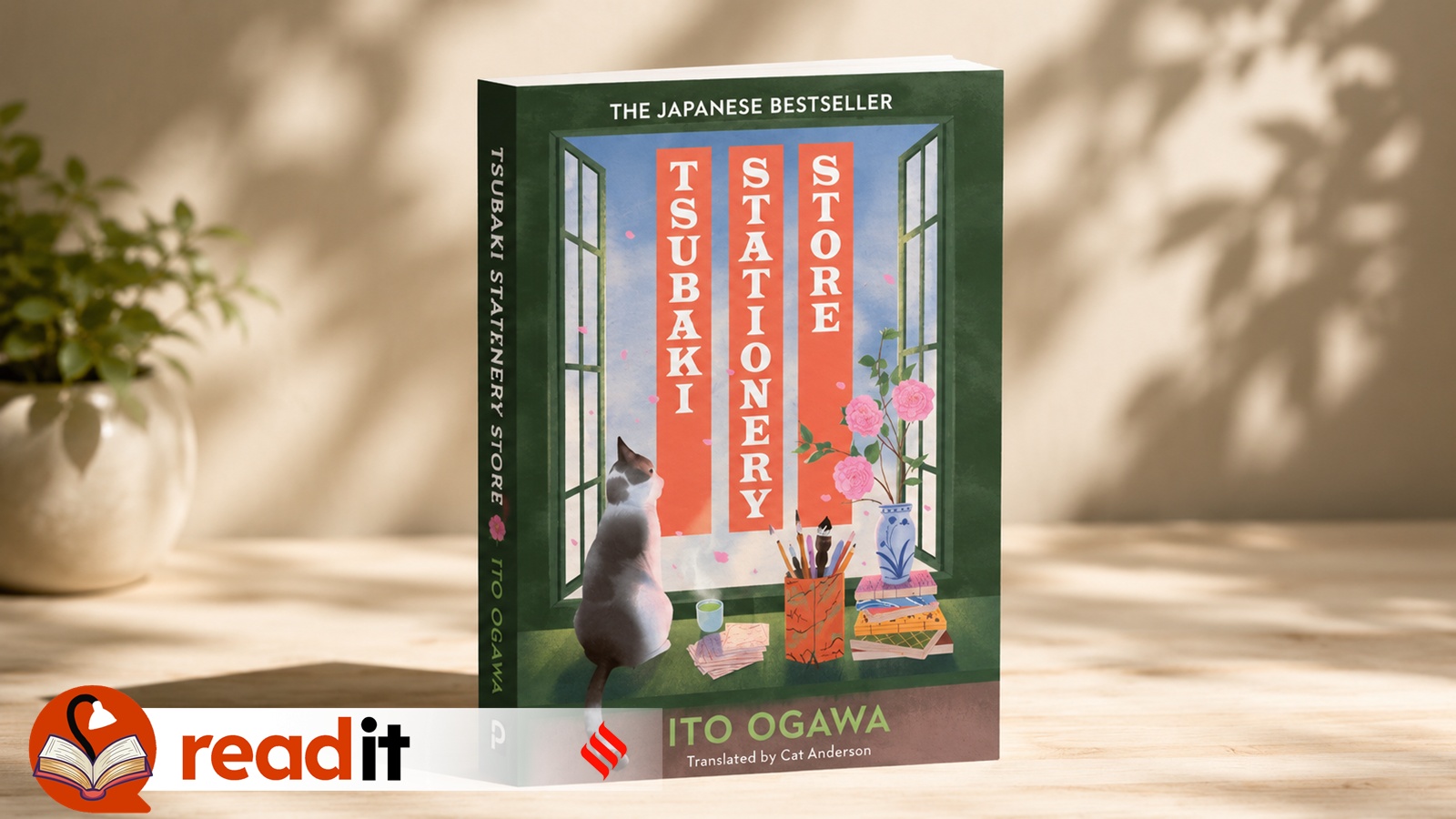
Tsubaki Stationery Store is a novel about a woman named Hatoko.
She runs a stationery shop in Kamakura, Japan.
Her special job is writing letters for people who do not know what to say.
Hatoko listens carefully so each letter sounds like the person who asked for it.
She chooses the paper, pen, ink and envelope very carefully.
Different clients ask her to write about difficult moments in their lives.
The book also shows festivals, beliefs and everyday life in a Japanese town.
It is calm and does not rely on suspense or a big plot.
The story may make readers want to write more letters themselves.

Ito Ogawa’s novel follows Hatoko Amemiya, a young woman who inherits a stationery store in Kamakura.
Hatoko also works as a scribe, writing personal letters for people who struggle to find the right words.
She carefully chooses each letter’s wording, tone, script, paper, ink, envelope and stamp.
The clients’ requests range from refusing a loan to reconnecting with an old friend and announcing a divorce.
The novel offers a gentle portrait of writing, small-town Japanese life and the quiet effect letters can have on people.
- Who
- Hatoko Amemiya, also called Poppo, is the novel’s central character; Ito Ogawa is the author and Cat Anderson is the translator.
- What
- The article reviews Tsubaki Stationery Store, a novel about a stationery-shop owner who writes letters for other people.
- Where
- The story takes place mainly in the seaside town of Kamakura, Japan.
- When
- Why
- Hatoko writes letters to help clients express feelings and messages they cannot put into words themselves.
Key facts
- Author
- Ito Ogawa
- Translator
- Cat Anderson
- Publisher
- Penguin
- Length
- 296 pages
- Price
- Rs 899
- Setting
- Kamakura, Japan
- Central craft
- Writing letters for others
Quotes
Hatoko Amemiya
Fictional scribe and protagonist who runs the Tsubaki Stationery Store
“Once I have formed a rough idea of a letter, my approach is to decide on the writing tools before getting down to the details. The same words can come across completely differently depending on whether you write them with a ballpoint pen, a fountain pen, a brush pen or a brush. (But not a pencil. Writing a letter in pencil is fundamentally impolite.)”
 indianexpress.com
“This place is a one-stop shop for anything to do with writing and words — even if at first glance it looks like no more than the local stationery store.”
indianexpress.com
Sources
Related news
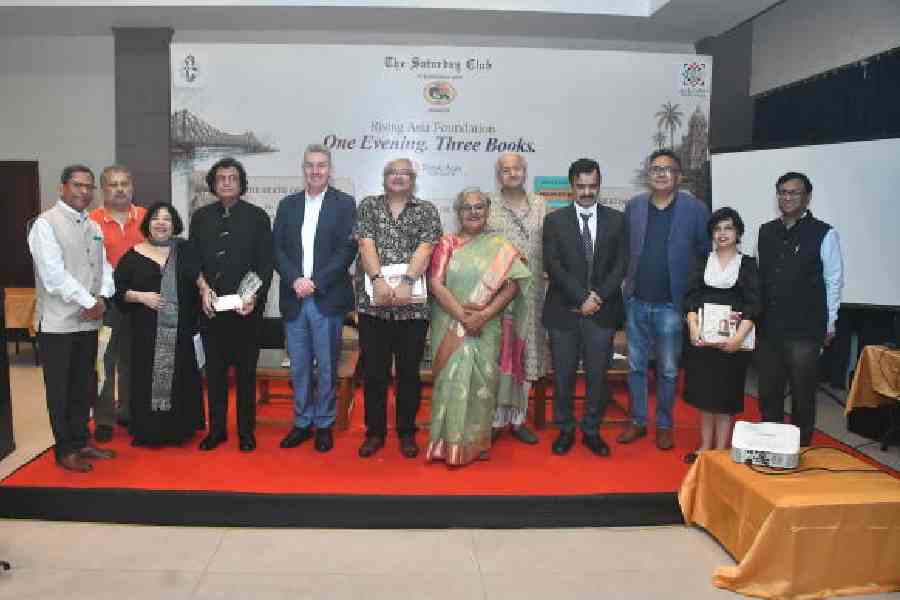
Three New Books Give City Bibliophiles Reasons to Celebrate

Handmade Souvenirs, Lac Bangles and Indulgent Matcha Finds

Akinari Asakura’s ‘The Final Six’ Offers Suspenseful Corporate Drama
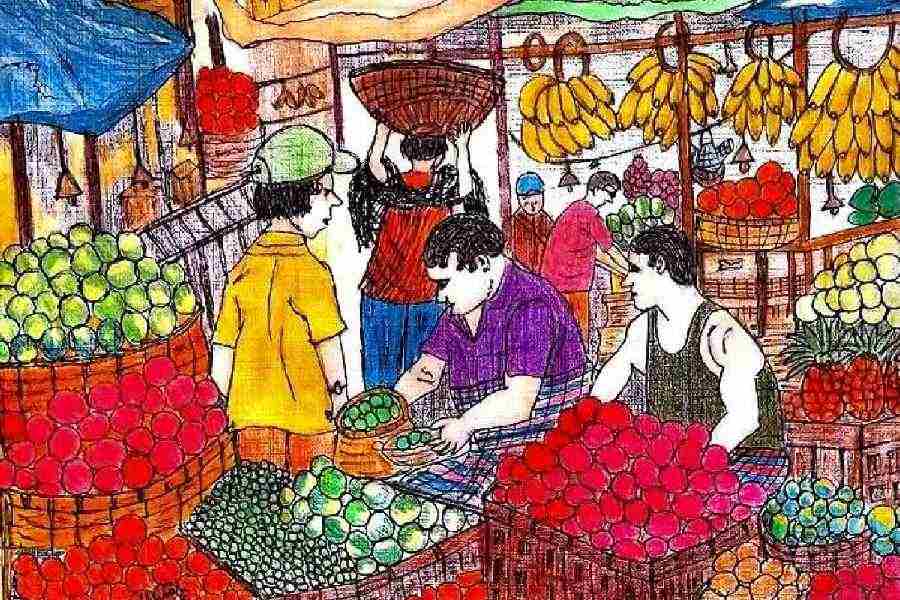
Durga Puja Souvenir Awards Honour Writers Across Seven Categories

UAE Engineer Sets Record With 150 Words on Sticky Note
Why Authors Hide Their Identities While Their Work Speaks

Japan Cricket Boss Defends Asian Games Facilities Against Concerns

Mitsubishi Revives Pajero With 201PS Fifth-Generation SUV

Europe's Bond Selloff Deepens as Middle East Tensions Lift Oil

Uday Kotak Warns Global Bond Markets Face Roller-Coaster Volatility

Global Bond Sell-Off Pushes Japan Yields To 30-Year High