1 hr ago
Chernobyl Camera Traps Reveal Wildlife Changes During War
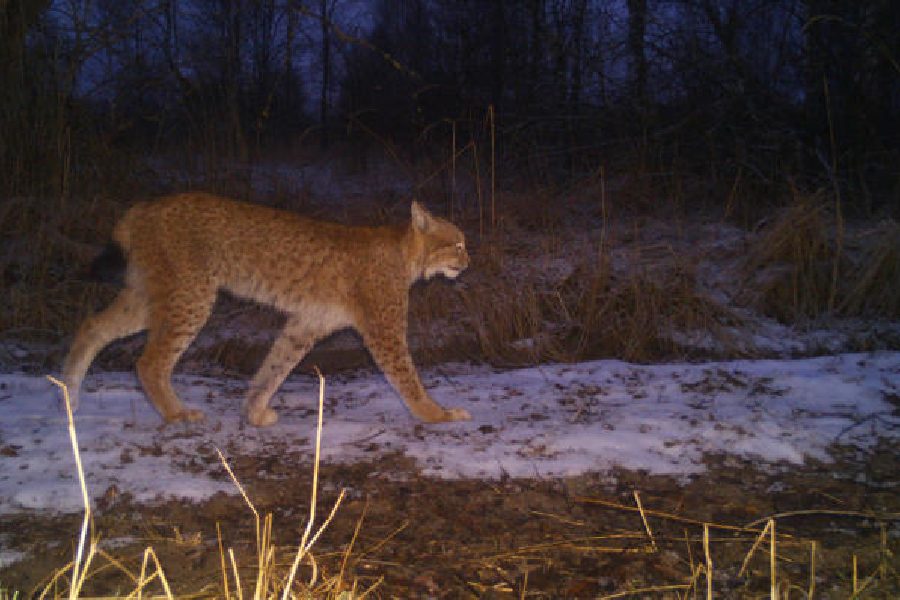
Scientists used cameras in the Chernobyl Exclusion Zone to watch wild animals during a war.
Russian troops occupied the area for just over a month in early 2022.
The troops used tanks, dug trenches, buried mines and carried out other military activities.
The researchers studied 11 animal species using footage from 31 camera stations.
Roe deer appeared less often when the fighting became more intense.
Red deer appeared more often and spent more time active during the day.
Brown hares may have moved more at night when fires occurred.
Wolves and lynxes did not show clear changes, possibly because there were fewer recordings of them.
The study shows that different animals react to war in different ways.

Researchers analyzed camera-trap footage from 31 stations in the Chernobyl Exclusion Zone before, during and after Russia’s 2022 occupation.
The study tracked 11 species, including lynxes, roe deer, red deer, foxes, wolves and brown hares.
Roe deer detections declined as military activity intensified, while red deer detections increased.
Red deer became more active during the day and less active at night during the occupation.
Researchers said the findings show that warfare affects wildlife in complex, species-specific ways, although the zone’s size and limited human activity may have reduced some impacts.
- Who
- Svitlana Kudrenko and colleagues studied 11 wildlife species, with outside comments from ecologist Kaitlyn Gaynor.
- What
- Researchers analyzed camera-trap footage to examine how military activity affected animal behavior.
- Where
- The research took place in the approximately 1,000-square-mile Chernobyl Exclusion Zone in Ukraine.
- When
- The cameras recorded wildlife before, during and after the Russian occupation from late February through the end of March 2022; the findings were recently reported in Science.
- Why
- The scientists wanted to understand wildlife responses to armed conflict as it happened.
Evidence of War-Driven Change
Caution About Interpretation
Animal activity
Evidence of War-Driven Change
The researchers found species-specific changes during the occupation, including reduced roe deer detections and increased red deer detections.
Caution About Interpretation
The researchers said some apparent differences could reflect each species’ ecology, habitat and movement patterns rather than a uniform response to conflict.
Effects across species
Evidence of War-Driven Change
Changes in camera detections suggest that military activity and fires altered the behavior of several animals, including red deer and possibly brown hares.
Caution About Interpretation
Lynxes and wolves showed few significant changes, and the large exclusion zone with very limited human activity may have buffered some effects.
Strength of conclusions
Evidence of War-Driven Change
The study provides a rare real-time view of how wildlife responds to armed conflict.
Caution About Interpretation
The scientists acknowledged that limited detections for some species made behavioral changes difficult to establish, while an outside ecologist emphasized that warfare rarely produces a one-size-fits-all response.
Key facts
- Study area
- The Chernobyl Exclusion Zone, covering about 1,000 square miles.
- Occupation
- Russian troops occupied the zone from late February through the end of March 2022.
- Camera stations
- Researchers analyzed footage from 31 camera-trap stations.
- Species studied
- The study recorded 11 species, including roe deer, red deer, lynxes, foxes, wolves and brown hares.
- Human surveys
- Researchers surveyed 25 people about the intensity of military activities.
- Main contrast
- Roe deer detections declined as conflict intensity increased, while red deer detections increased.
- Publication
- The findings were reported in the journal Science.
Quotes
Svitlana Kudrenko
Ukrainian nature-conservation researcher and doctoral scientist who led the Chernobyl camera-trap study
“Our results provide insights into how wildlife responds to armed conflict in real time. Warfare does not affect only humans.”
 telegraphindia.com
Sources
Related news
Russian Strikes Kill Nine in Kyiv as Drone Attacks Escalate

Fourth Leopard Captured in Dudhwa Buffer Zone in UP
Study Links India’s Elephant Conflict to Harvest Season

Russian Missiles and Drones Strike Kyiv in Overnight Attack

Cheetah Nirva Missing From Monitoring System At Kuno Park
Ukrainian Commander Rescues Wounded Soldiers Through Drone Kill Zone

Zelenskyy Says Territory Remains Relevant in Ukraine Peace Talks

Kushner Says Israeli Election Complicates Gaza Disarmament Efforts

Ukrainian Drone Strikes Bring Billions in Losses to Russia
Ukraine Weighs Pornography Decriminalisation to Fund War Effort