2 weeks ago
Pakistan’s Hard-State Governance Approach Makes Dissent a Security Issue
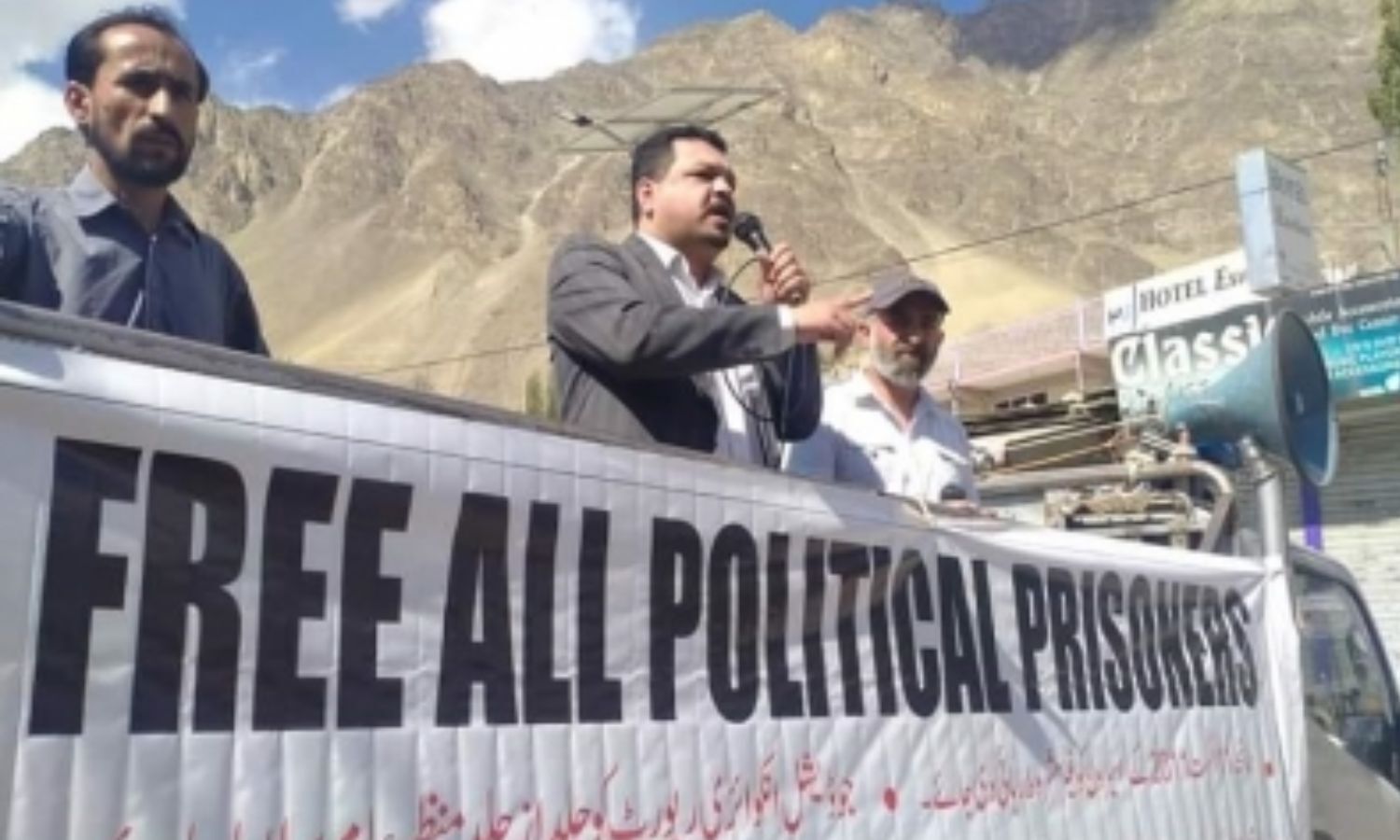
A report says Pakistan is increasingly treating political disagreement as a security problem.
This means protests and political groups may be handled like threats.
On June 5, the government labelled the Joint Awami Action Committee a terrorist organisation.
Authorities then made arrests, limited gatherings and shut down communications in Pakistan-occupied Kashmir.
Elections were held there on July 27 amid tension and violence.
Clashes between protesters and security forces caused deaths and injuries.
Supporters of these actions may say they are needed to protect security and stability.
Critics say they weaken democracy and make it harder for people to protest, organise and report news.
The report warns that emergency measures can become permanent instead of ending after a crisis.

A report says Pakistan’s “hard state” approach is becoming a permanent feature of governance.
Islamabad designated the Joint Awami Action Committee a terrorist organisation on June 5.
Authorities used anti-terrorism laws, arrests, communications blackouts and protest restrictions in Pakistan-occupied Kashmir.
Legislative elections held in the territory on July 27 followed polarisation, violence and clashes with security forces.
Dimitra Staikou warned that emergency powers may become normalised and shrink space for dissent.
- Who
- Pakistan’s authorities, the Joint Awami Action Committee, protesters, security forces and journalist Dimitra Staikou are central to the report.
- What
- A report argues that Pakistan is institutionalising a “hard state” approach that treats dissent through security and anti-terrorism measures.
- Where
- The measures described occurred in Pakistan, particularly Pakistan-occupied Kashmir; the report was discussed in Islamabad.
- When
- The Joint Awami Action Committee was designated on June 5, and legislative elections in Pakistan-occupied Kashmir were held on July 27.
- Why
- Authorities may defend the measures as responses to security threats, while the report says they also restrict dissent amid militancy, economic instability, regional rivalry and weak civilian institutions.
Security-Based Governance
Civil Liberties and Democratic Accountability
Use of extraordinary measures
Security-Based Governance
Officials may defend anti-terrorism laws, restrictions and security deployments as proportionate responses to discrete threats and broader instability.
Civil Liberties and Democratic Accountability
The report argues that expanding the definition of threats can turn protest, journalism and political organisation into perceived dangers.
Treatment of the Joint Awami Action Committee
Security-Based Governance
Designating the group as a terrorist organisation can be presented as a security measure against a movement viewed as threatening public order.
Civil Liberties and Democratic Accountability
The report describes the designation as part of moving political dissent from the democratic arena into the security apparatus.
Long-term effects
Security-Based Governance
Supporters may regard extraordinary powers as necessary for stability in a country facing militancy, economic instability, regional rivalry and weak civilian institutions.
Civil Liberties and Democratic Accountability
Staikou warns that repeated emergency measures can become normalised, entrench executive power and diminish citizens’ freedoms.
Key facts
- Main assessment
- The report says the “hard state” approach is becoming a permanent feature of Pakistan’s governance.
- Organisation designated
- The Joint Awami Action Committee was designated a terrorist organisation on June 5.
- Measures reported
- Mass arrests, communications blackouts, restrictions on public gatherings and increased security deployments followed.
- Elections
- Legislative elections in Pakistan-occupied Kashmir were held on July 27.
- Reported consequences
- Clashes between protesters and security forces resulted in deaths and injuries.
- Author
- The analysis was written by Greek lawyer, writer and journalist Dimitra Staikou.
- Central warning
- Exceptional security powers may become entrenched and blur the distinction between governing through law and governing through emergency.
Quotes
Dimitra Staikou
Greek lawyer, writer and journalist who authored the analysis
“Yet the broader the definition of threat becomes, the easier it is to treat protest, journalism, and political organisation as dangers rather than essential features of public life.”
 thehansindia.com
“The language of emergency does more than describe a threat; it changes what the state is permitted to do in response.”
thehansindia.com
Sources
Related news
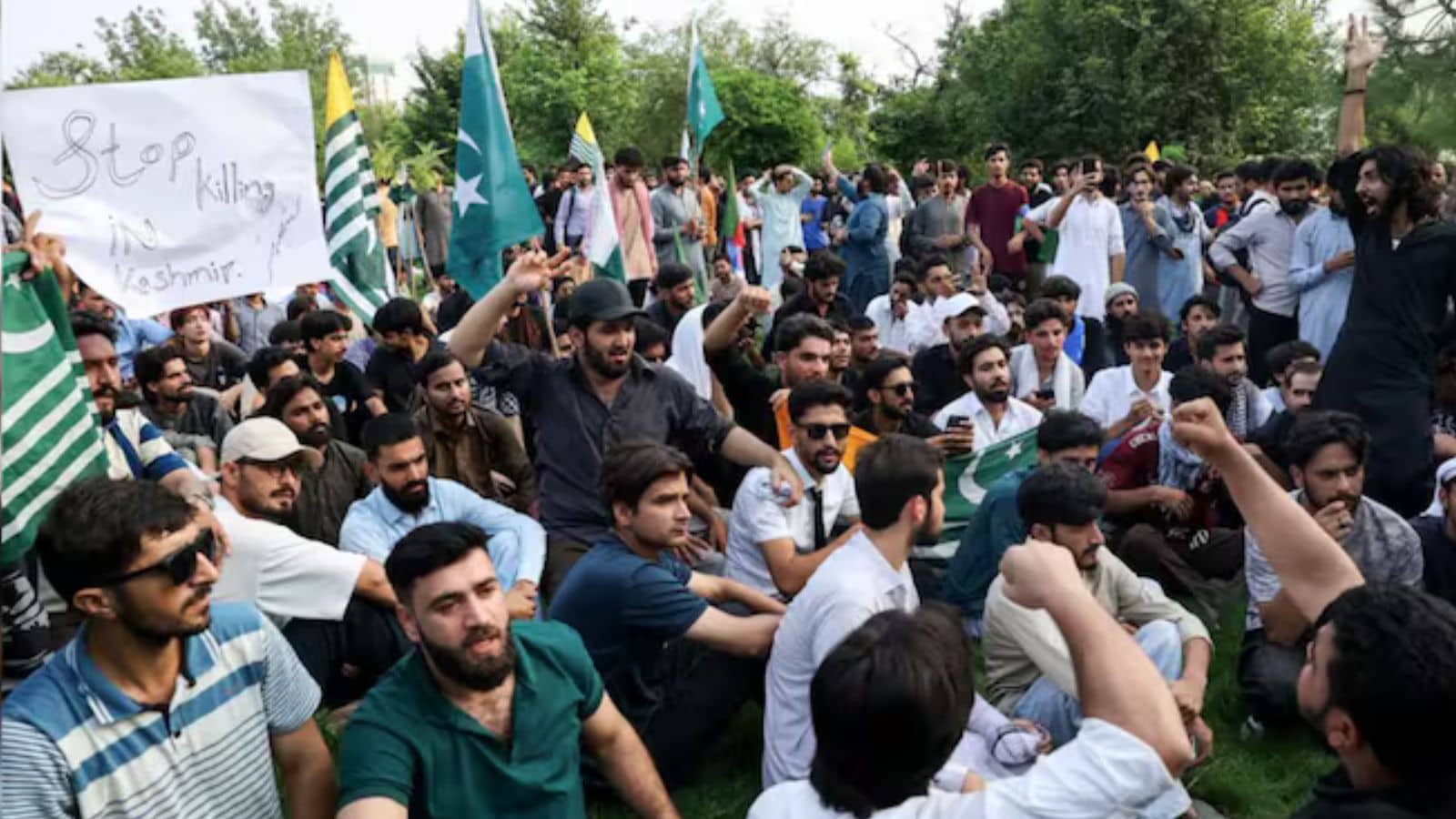
Pakistan's Kashmir Story Collapses Under Weight of PoK Protests

PoK Unrest Exposes Cracks in Pakistan's Kashmir Narrative: Report

Report: Pakistan's 'Hard State' Approach Fuels Insurgency, Turmoil
Shehbaz Sharif's PML-N Calls PoK Protesters 'Patriots' in U-Turn
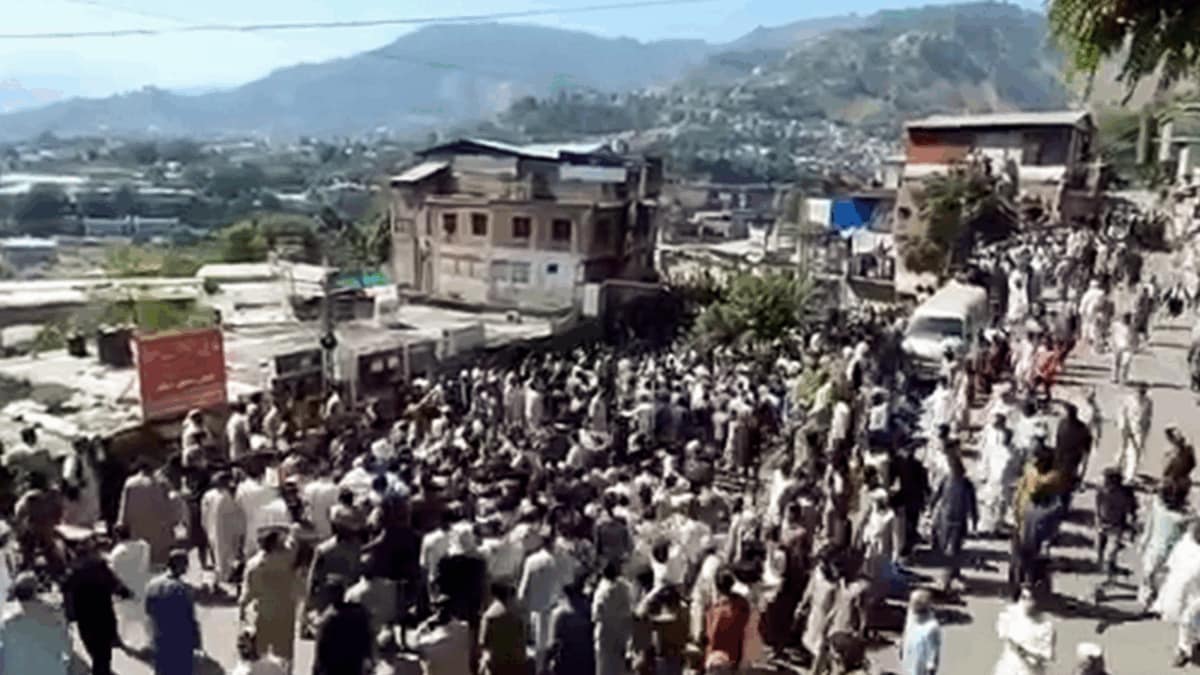
Plandari Protests Expand as JAAC Plans March to Muzaffarabad

Kashmir’s First International Film Festival Opens With Global Ambitions

Heavy Rain Disrupts Northern India as Flood Threats Rise
Kashmir to Host First International Film Festival in September

Sobhita Dhulipala Models Raja Ravi Varma-Inspired Handwoven Look
Militant Killed in Joint Security Operation in Budgam Forest