13 hrs ago
Andhra Women’s Anti-Arrack Protest Forced Statewide Liquor Ban

Women in a village in Andhra Pradesh were worried that arrack was hurting their families.
They had started learning to read at night school.
There, they began talking about the problems caused by drinking.
In 1991, some women went to a local arrack shop and forced it to close.
More women joined them, and the protests spread across the state.
The government banned arrack in 1993.
A wider alcohol ban began in 1995, but another government lifted it in 1997.
The movement showed how people can organize to ask for change in their communities.

The anti-arrack movement began in 1991 in Dubagunta, Nellore district, after women challenged a local liquor shop.
Adult literacy classes helped women discuss arrack’s effects on their households and organize protests.
The movement spread across Andhra Pradesh, where the state had earned Rs 812 crore from liquor in 1991-92.
The government banned arrack from 1 October 1993; a broader prohibition began on 16 January 1995.
The next chief minister lifted prohibition on 1 April 1997, about 28 months after it began.
- Who
- Women led by Vardhineni Rosamma, including women in Dubagunta and other Andhra Pradesh villages.
- What
- A grassroots anti-arrack protest grew into a state campaign that led to an arrack ban and later a broader prohibition.
- Where
- Dubagunta in Nellore district, Andhra Pradesh, and subsequently villages across the state.
- When
- The movement began in 1991; arrack was banned from 1 October 1993, total prohibition began on 16 January 1995, and it was lifted on 1 April 1997.
- Why
- Women protested the harm arrack caused in households and communities, including money being spent on liquor and its effects on family life.
Women protesters
Government and liquor interests
Whether to close arrack shops
Women protesters
Women argued that arrack drained household money and harmed family peace; they also questioned why liquor was readily available while water and schools were scarce.
Government and liquor interests
The government argued it could not close the shops because liquor revenue helped fund welfare; contractors sought to protect their business and monopoly.
How to address alcohol sales
Women protesters
After arrack was banned but Indian-made foreign liquor remained available, women's groups pressed for total prohibition.
Government and liquor interests
The subsequent government lifted prohibition on 1 April 1997; the articles note that the effectiveness of alcohol bans remains debated.
Key facts
- Movement origin
- Dubagunta, Nellore district, Andhra Pradesh
- First protest
- 1991
- Arrack revenue
- Rs 812 crore in 1991-92
- Arrack ban
- Effective 1 October 1993
- Total prohibition
- Imposed on 16 January 1995
- Prohibition lifted
- 1 April 1997
- Dubagunta Rosamma
- Died on 7 August 2016, aged 93
Sources
Related news
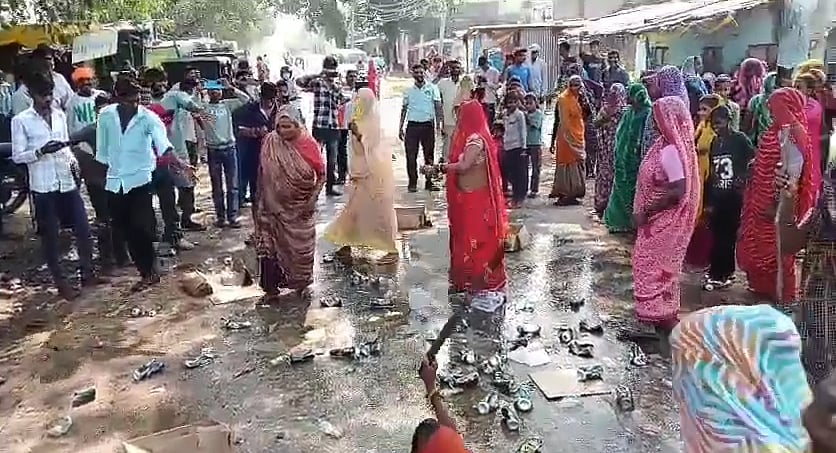
Gwalior Women Protest Liquor Shop, Reject Ladli Behna Funds
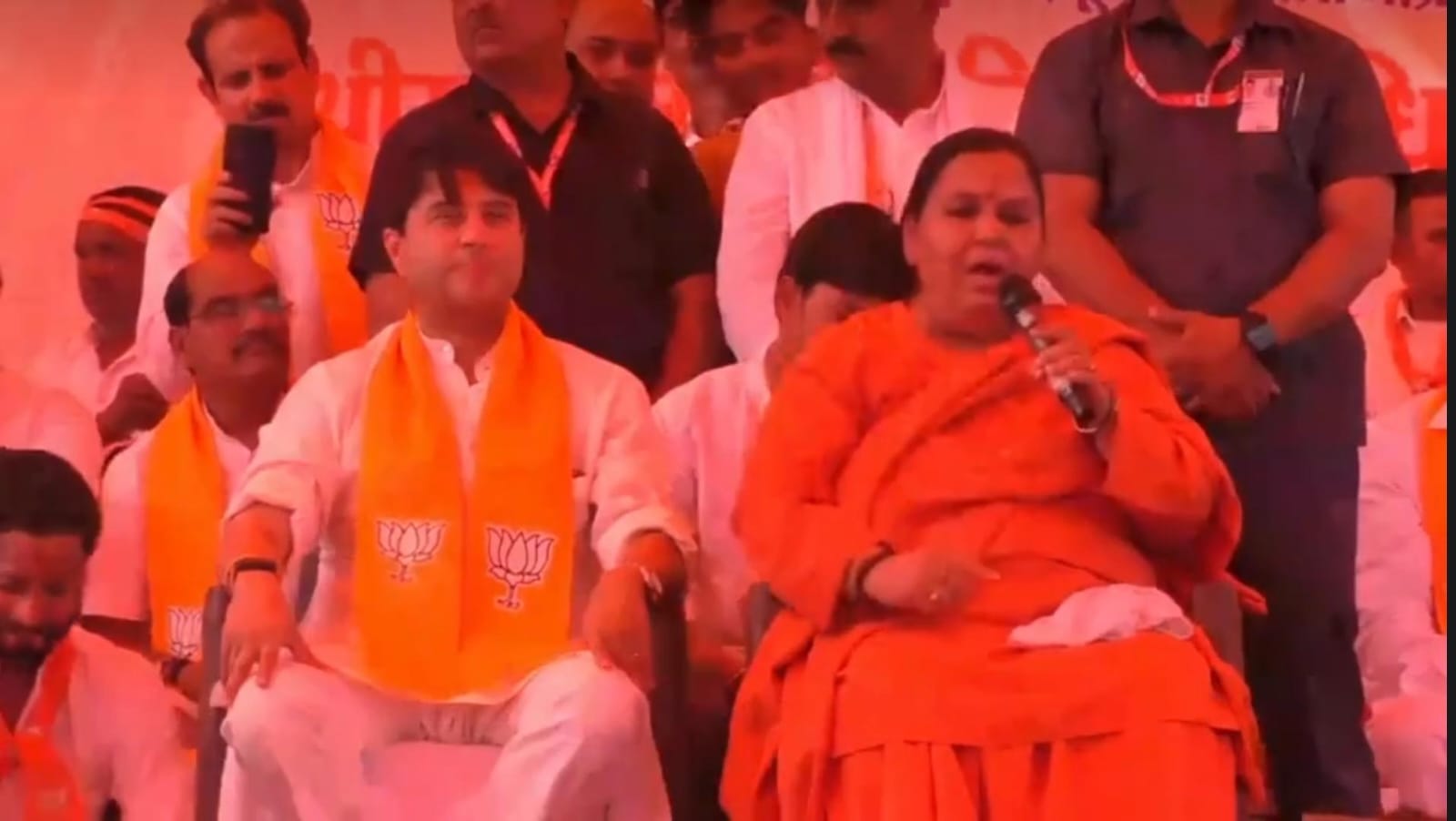
Sagar Hooch Tragedy Revives Madhya Pradesh Prohibition Demand

Shivpuri Women’s Liquor Shop Protest Turns Violent After Official Intervention
Nine Deaths in Nagaland Linked to Suspected Toxic Liquor

Gujarat Police Seize Rs 22 Lakh Liquor in Three Raids
Illegal Belt Shops Persist Across Old Khammam District

South Indian Stars Pay Tribute to Actor Nana Patekar

Nana Patekar Dies at 75 as Actors Pay Tribute

Celebrities Mourn Nana Patekar After Death at 75

Celebrities Reportedly Decline Wild Card Offers for Bigg Boss Telugu