

1 hr ago
Nine Deaths in Nagaland Linked to Suspected Toxic Liquor
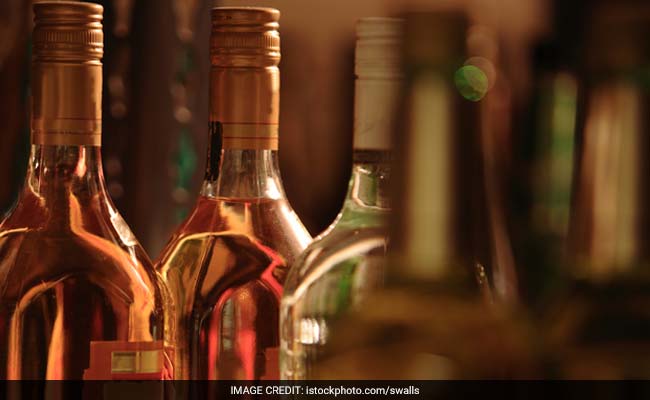
At least nine people in Tuensang, Nagaland, have died after possibly drinking unsafe liquor.
The liquor is called spurious liquor, which means it may be fake, mixed incorrectly or dangerous.
Police Chief Rupin Sharma warned people across the state not to drink liquor while officials investigate.
He named several districts where people should be especially careful.
The warning also applies to other districts in Nagaland.
Nagaland has had a law banning liquor for many years.
Officials and community groups say the ban has not stopped illegal liquor sales.
They say unsafe alcohol can become more dangerous when it is sold secretly without quality checks.
Some groups want the ban replaced with strict rules for licensed sales, while others support continuing prohibition.

At least nine people have died at Civil Hospital in Tuensang, allegedly after consuming spurious liquor.
Nagaland Police Chief Rupin Sharma issued a statewide red alert and urged residents to avoid liquor.
The warning specifically covers Mon, Mokokchung, Tuensang, Longleng, Kiphire, Shamator and Noklak.
Authorities are investigating the suspected liquor-related deaths, while the exact cause has not been confirmed.
The incident has renewed debate over Nagaland’s liquor prohibition law and proposals for tightly regulated sales.
- Who
- At least nine people in Tuensang; Nagaland Police Chief Rupin Sharma issued the warning.
- What
- Deaths suspected to be linked to consumption of spurious liquor.
- Where
- Civil Hospital in Tuensang, Nagaland, with warnings issued statewide.
- When
- The deaths were reported on Sunday, when the red alert was issued; the article does not provide a date.
- Why
- The suspected liquor-related deaths prompted authorities to warn residents and investigate the source and safety of the liquor.
Support Continuing Prohibition
Support Strict Regulation
Whether the prohibition law should remain
Support Continuing Prohibition
The Nagaland Liquor Total Prohibition Act was created to encourage social change, reduce alcohol-related domestic violence and crime, and reflect demands from churches and civil society.
Support Strict Regulation
Several organisations want the law scrapped in its current form and replaced with a tightly regulated licensing system because illegal sales continue despite the ban.
Public safety and alcohol access
Support Continuing Prohibition
Restricting alcohol sales is intended to reduce public nuisance and alcohol-related harm.
Support Strict Regulation
Supporters of regulation argue that prohibition pushes liquor underground, allowing adulterated products to circulate without quality control and contributing to dangerous consumption.
Government control and personal choice
Support Continuing Prohibition
The prohibition framework seeks to limit the availability and public impact of liquor.
Support Strict Regulation
Chief Minister Neiphiu Rio said the government can regulate and restrict liquor but cannot outrightly prohibit individuals from drinking, describing drinking as a matter of personal choice.
Key facts
- Reported deaths
- At least nine
- Reported location
- Civil Hospital, Tuensang
- Suspected cause
- Consumption of spurious liquor
- Police response
- Statewide red alert issued by DGP Rupin Sharma
- Law under debate
- Nagaland Liquor Total Prohibition Act, 1989
- Illegal outlets
- A survey found more than 500 alleged outlets in Kohima’s 19 wards
- Proposed alternative
- Tightly regulated licensing with district caps, age verification and restricted hours
Sources
Related news

Sagar Suspected Hooch Tragedy Leaves 11 Dead, Dozens Hospitalised
Four Dead, 18 Hospitalised in Gujarat Spurious Liquor Case
Gujarat Toxic Liquor Deaths Rise To Eight; 39 Treated

Sagar Hooch Tragedy Kills 11; Probe, Suspensions Follow

TNCC chief urges action after Kallakurichi hooch tragedy report
