

1 week ago
India’s Public Canteens Create Jobs and Democratic Spaces
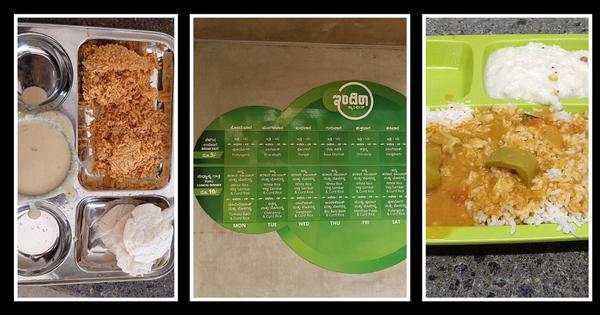
Public canteens serve inexpensive cooked meals in several Indian states.
They help people who do not have kitchens, including many migrant workers.
They also help people who are poor or suddenly lose income because of illness or accidents.
The meals can save diners roughly Rs 40 to Rs 45 each time.
Canteens may offer cleaner, safer and more nutritious food than some street-food options.
Many women get jobs in canteens, especially where women’s self-help groups run them.
Canteens can also give women a break from cooking every meal at home.
People from different communities and income groups eat together there.
However, changes in state governments have sometimes led to budget cuts, layoffs or neglect of canteen schemes.

A 2023 survey examined public canteens in Karnataka, Rajasthan and Tamil Nadu.
Canteens provide subsidised cooked meals to people lacking cooking facilities or facing hunger.
Surveyed diners reported average minimum savings of about Rs 40-45 per meal.
Canteens create jobs, particularly for women, and can reduce women’s cooking burden.
People from different castes, classes and religions share canteen spaces, while political changes have affected some schemes.
- Who
- Canteen workers and 704 surveyed guests in Karnataka, Rajasthan and Tamil Nadu, including people from disadvantaged communities, migrant workers and others facing food insecurity.
- What
- The Canteen Survey 2023 studied how public canteens are implemented and the roles they play in food security, employment, women’s welfare and public life.
- Where
- The research covered selected cities in Rajasthan, Karnataka and Tamil Nadu, including Jaipur, Bengaluru and Chennai.
- When
- The survey was conducted in November and December 2023; Rajasthan’s survey took place before state elections due in November 2023.
- Why
- The survey aimed to understand how well canteen schemes function and how they affect food access, jobs, women and urban social interaction.
Canteens as complementary food support
Prioritize expanded ration access
Canteens or the Public Distribution System
Canteens as complementary food support
Canteens provide cooked food for people who lack cooking facilities, so they can complement the Public Distribution System’s dry rations.
Prioritize expanded ration access
Critics question why another food-security scheme is needed when about 80 crore people have access to free or cheap grains, suggesting that PDS coverage or portability should instead be expanded.
Political control and continuity
Canteens as complementary food support
Supporters of stable canteen programs point to their benefits for food security, jobs, women and inclusive public spaces.
Prioritize expanded ration access
The article reports that state-level political changes have caused closures, budget cuts, layoffs, reduced hours or perceived neglect in schemes including Anna, Indira and Amma Canteens.
Key facts
- Survey locations
- Six cities in Rajasthan, plus Bengaluru and Mysore in Karnataka, and Chennai and Coimbatore in Tamil Nadu; the study also included Bellary and Vellore.
- Survey sample
- Canteen staff and 704 guests were interviewed, including 384 guests from Rajasthan.
- Meal prices
- Public canteen meals usually cost Rs 5-10; an Indira Rasoi plate in Rajasthan sold for Rs 8 against a stated cost price of Rs 25.
- Reported savings
- Average minimum savings per meal were about Rs 40 in Karnataka and Rs 45 in Rajasthan and Tamil Nadu.
- Cooking access
- Between 11% and 47% of respondents did not have cooking facilities.
- Food insecurity
- About one-tenth of respondents were destitute, homeless or reliant on alms; 18% said they had sometimes slept hungry before canteens were available.
- Canteen distribution
- At the time of the survey, Rajasthan had 1,209 canteens, including 107 in Jaipur; Chennai had more than 400 and Bengaluru around 250.
Quotes
A guest in Bellary
A Bellary canteen guest describing the accessibility of the space.
“From government employees to daily wage labourers, everyone eats here together”
 scroll.in
“Everyone comes – those who have money and those who don’t.”
scroll.in
Sources
Related news
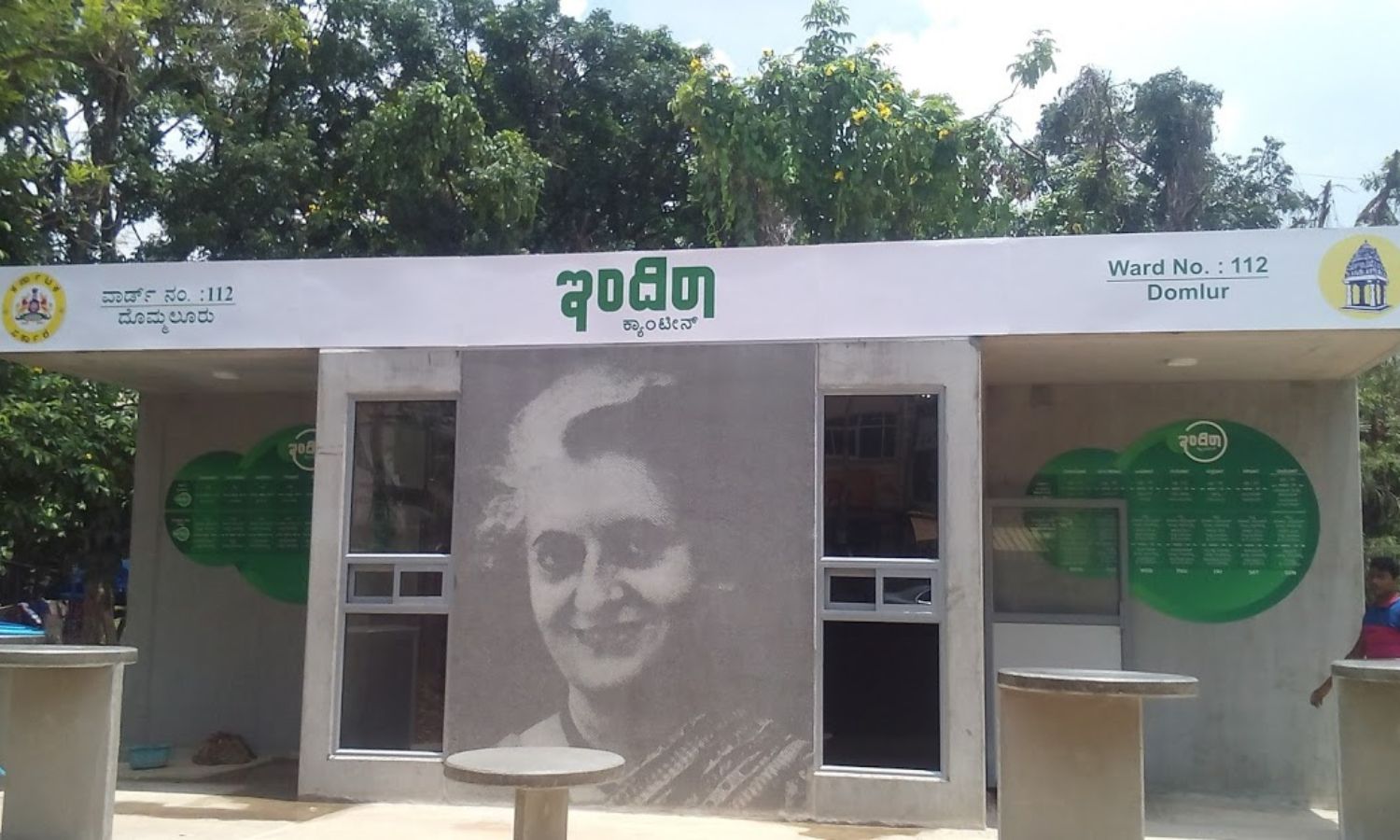
Food Safety Department Inspects Indira Canteen Kitchens in Bengaluru
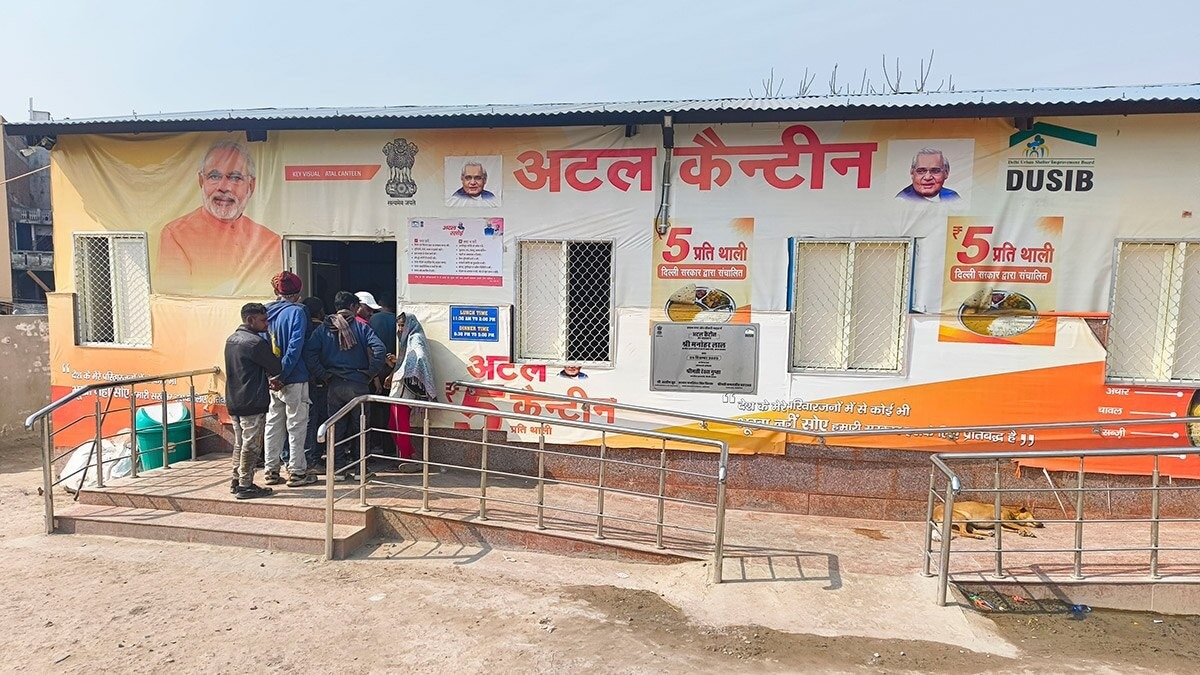
Delhi Launches 25 Atal Canteens Offering ₹5 Meals
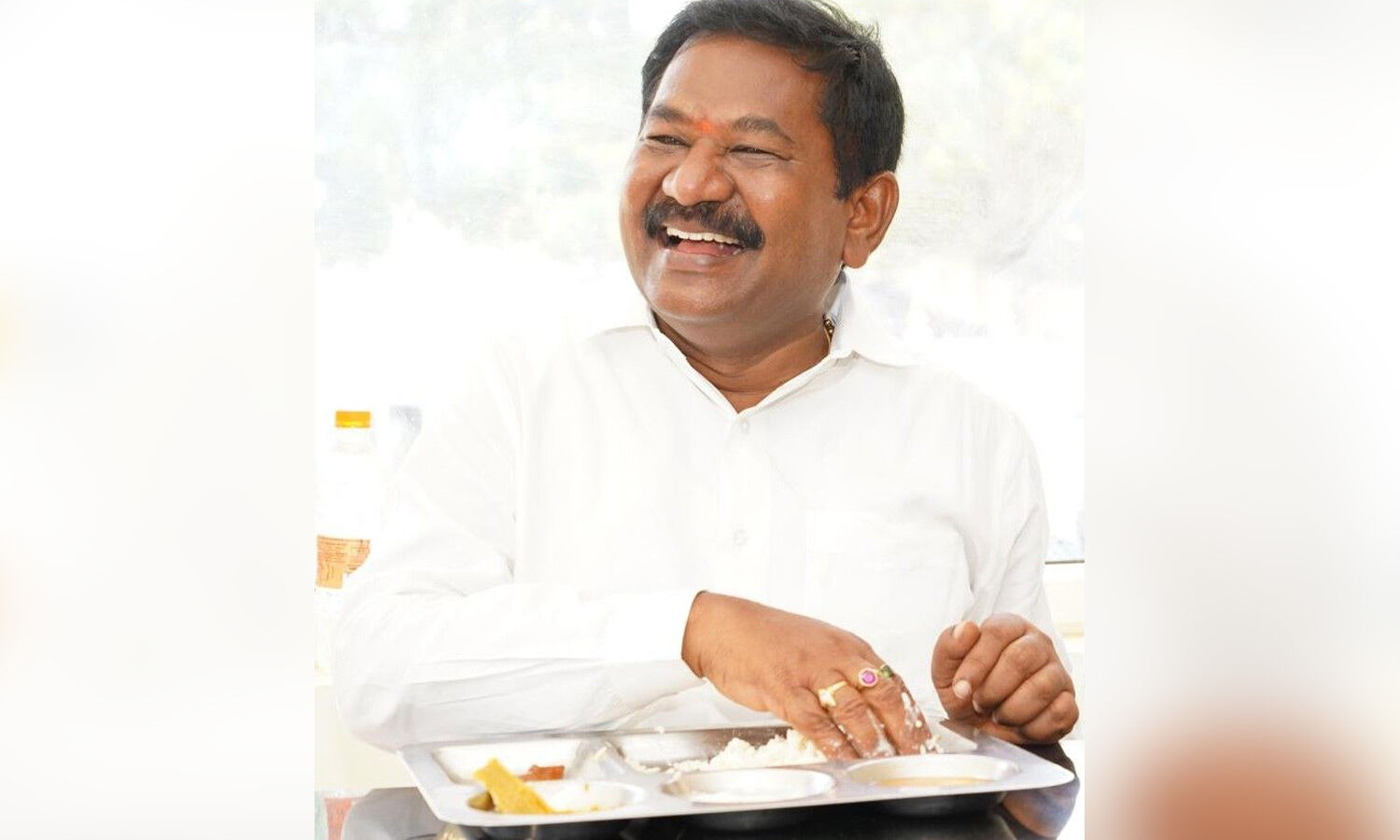
Minister Inspects Singarayakonda Anna Canteen, Praises Food And Hygiene

Delhi Opens Rs 5 Atal Canteen for Poor

Gen Z Transforms Indore and Bhopal College Canteens
