3 weeks ago
New book chronicles assassinations of British magistrates in colonial India
More than 90 years ago, India was ruled by Britain.
Some young Indians wanted India to be free and started secret groups.
They believed that hurting British officials would help their cause.
Three British district magistrates in a place called Midnapore were shot by these young revolutionaries.
The first was James Peddie, killed in 1931.
The next was Robert Douglas, killed in 1932.
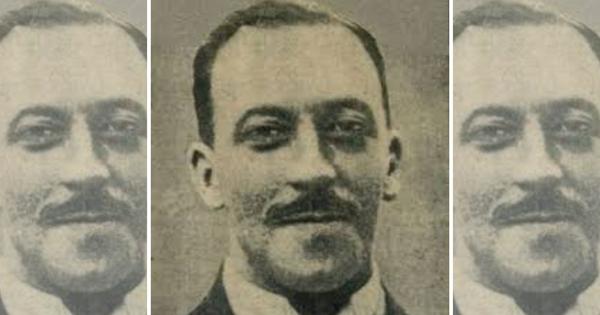
The third was Bernard Burge, a friendly man who loved football, killed in 1933.
Even Mahatma Gandhi, a famous leader of peaceful protest, said he did not believe in violence.
A new book called "Imperial Bureaucracy" tells these true stories from history.

A new book, "Imperial Bureaucracy: An Untold Story of a Stormy Voyage (1914-1947)" by Satyaki Nath, examines violence against British bureaucrats in colonial India.
Robert Douglas, District Magistrate of Midnapore, was shot at the District Board office on 30 April 1932 and died the same day.
His successor, Bernard Edward John Burge, was shot dead on 2 September 1933 while arriving to play football at the Police Club ground.
Three Midnapore magistrates were killed within two and a half years, including James Peddie in 1931 and judge Ralph Reynolds Garlick in July 1931.
Mahatma Gandhi deplored the assassination, while Viceroy Willingdon sent condolences to Burge's family.
- Who
- British Indian Civil Service officials——Robert Douglas, Bernard Edward John Burge, James Peddie and Ralph Reynolds Garlick——and the youth revolutionaries who killed them.
- What
- A new book chronicles the assassination of British district magistrates by revolutionary nationalists in the final years of colonial rule in India.
- Where
- Midnapore district and Alipore, in the Bengal presidency of British India.
- When
- The killings took place between April 1931 and September 1933.
- Why
- Revolutionary secret societies, which opposed foreign rule and targeted British officials, carried out the attacks; the book examines this violent period of the independence struggle.
Revolutionary nationalists
British administration and Mahatma Gandhi
Violence as a method for political freedom
Revolutionary nationalists
Revolutionaries used violence, including assassinations of British officials, to win political freedom from British rule.
British administration and Mahatma Gandhi
Mahatma Gandhi expressed his "utter disbelief in violence as a method for gaining political rights or political freedom," while the colonial administration called Burge's killing a "brutal and senseless outrage."
Character of the slain British officials
Revolutionary nationalists
The revolutionaries targeted British officials "known for their oppressive activities."
British administration and Mahatma Gandhi
Officials such as Burge were portrayed as men of "indomitable goodwill and abundant cheer" whose family displayed "magnificent courage" under danger.
Key facts
- Book title
- Imperial Bureaucracy: An Untold Story of a Stormy Voyage (1914-1947)
- Author
- Satyaki Nath
- Publisher
- Antonym Collections
- First magistrate killed
- James Peddie, shot dead in April 1931
- Robert Douglas killed
- 30 April 1932
- Bernard Burge killed
- 2 September 1933
- Midnapore magistrates killed
- 3 within two and a half years
- Gandhi's response
- Utter disbelief in violence as a method for gaining political freedom
Quotes

Robert Douglas
District Magistrate of Midnapore, British Indian Civil Service
“"The relevant fact is that my life is in real and serious danger. My house is guarded day and night by two armed sentries with loaded rifle and bayonets. I cannot stir a foot over the threshold without a plain clothes constable armed with a revolver. I am under the strictest orders to have a loaded revolver by me day and night. I have been practically forbidden to attend any public meeting or gathering."”
 scroll.in
Sources
Related news

1930 Letter Shows Schoolchildren Wore Buttons With Bhagat Singh
Khalistani Terror Attacks Pushed Punjab Police Toward Brutal Retaliation
Netaji's grand-nephews recall Bengal's role in Quit India Movement
TMC Alleges Bengal Attacks, Questions President’s Rule
Punjab Police's Counterterrorism Campaign That Dismantled Khalistani Terror Networks

West Bengal LoP Banerjee reports death threats from Bangladesh-based numbers
Shami Shines as East Zone Reaches Duleep Trophy Final

Bengal Reports Over 4,000 Dengue Cases, Down 50% This Year

Bengal Rolls Out QR System To Monitor Waste Segregation
LPG e-KYC Deadline Ends as 12 Lakh Users Remain Pending

Five Taal Recipes Bring Bengal’s Monsoon Fruit to Janmashtami