7 hrs ago
Proposed Farm Storage Plan Targets Food Loss and Waste

A lot of food is lost or wasted in one year.
The article says ₹1 trillion would still not be enough to match that loss.
One proposed solution is to build more places to store crops.
The plan would add 70 million tonnes of storage capacity.
It would take five years and cost ₹1.25 trillion.
Primary Agricultural Credit Societies would help create the storage facilities.
The facilities could also provide equipment and sell goods at fair prices.
Warehouse receipts could let farmers borrow money using stored grain, so they would not have to sell it cheaply right away.

The article says even ₹1 trillion is less than a year’s worth of food loss and waste.
A plan proposes adding 70 million tonnes of storage capacity over five years.
The proposed capacity would be developed through Primary Agricultural Credit Societies.
The plan is estimated to cost ₹1.25 trillion.
Storage facilities could also serve as custom hiring centres and fair price shops, while warehouse receipts could help farmers access credit.
- Who
- Primary Agricultural Credit Societies and the farmers using the storage system.
- What
- A proposal to add 70 million tonnes of storage capacity and connect stored grain to credit.
- Where
- Close to agricultural fields.
- When
- Over five years.
- Why
- To reduce food loss and waste and help prevent distress sales of grain.
Key facts
- Proposed capacity
- 70 million tonnes
- Estimated cost
- ₹1.25 trillion
- Implementation period
- Five years
- Implementing organizations
- Primary Agricultural Credit Societies
- Additional facility roles
- Custom hiring centres and fair price shops
- Financial mechanism
- Negotiable warehouse receipts linked to stored grain
- Stated rationale
- Stored grain could provide credit and reduce pressure for distress sales
Sources
Related news

Nabard targets Rs 34 lakh crore farm credit, $2 billion

Telangana Plans 65 Lakh-Tonne Kharif Paddy Procurement Drive
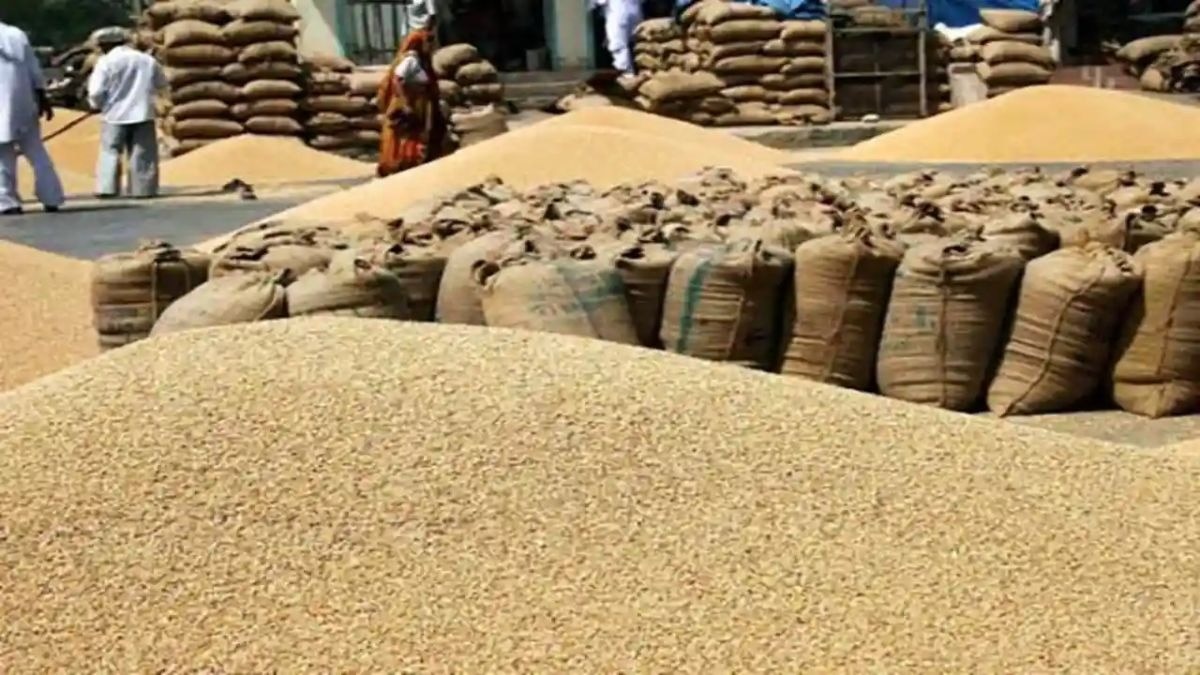
Nearly Rs 60 Lakh Wheat Missing From UP Centres
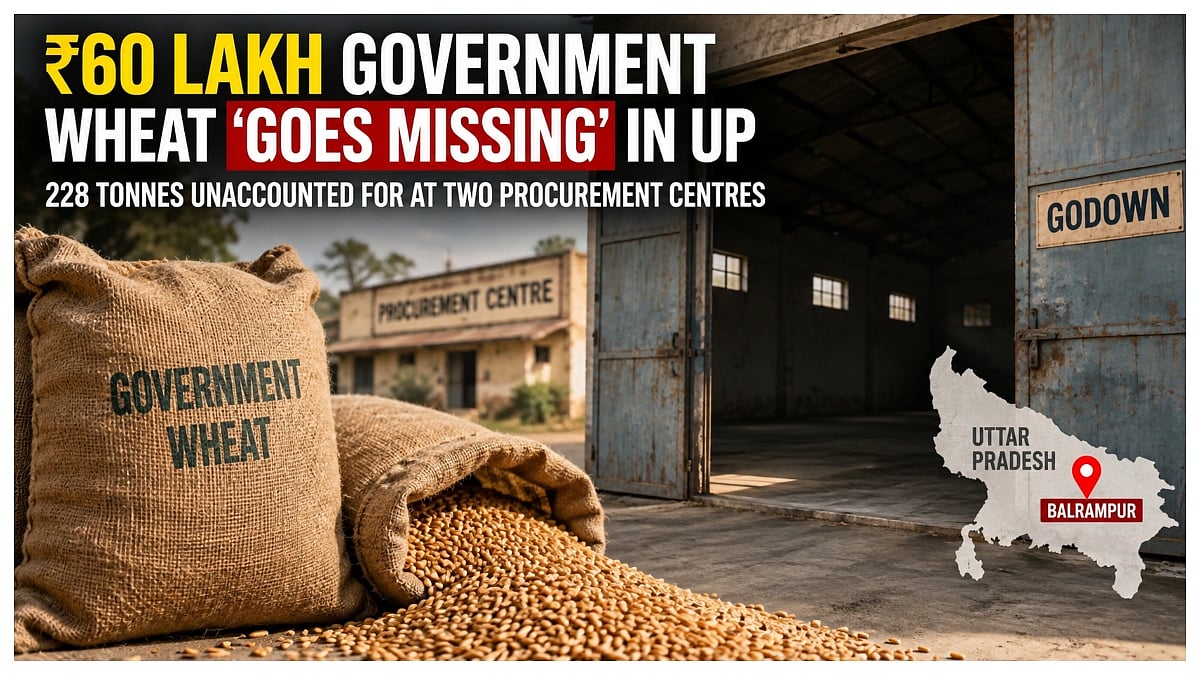
228 Tonnes Of Government Wheat Unaccounted For In Uttar Pradesh

Sircilla Plans Procurement Of 2.40 Lakh Tonnes Paddy

Punjab Rice Mills Face Storage Crunch as CMR Deadline Extended

UP Sarathi Didi Plan Expands Women’s Rides And Rural Mobility

Uttar Pradesh Plans Bharat Taxi Expansion Across Districts And Villages

NTR Collector Prioritizes HRMS Implementation in PACS

Urea Monitoring and Distribution Issues