

1 hr ago
India’s Galleries Welcome Global Art and Cultural Exchange
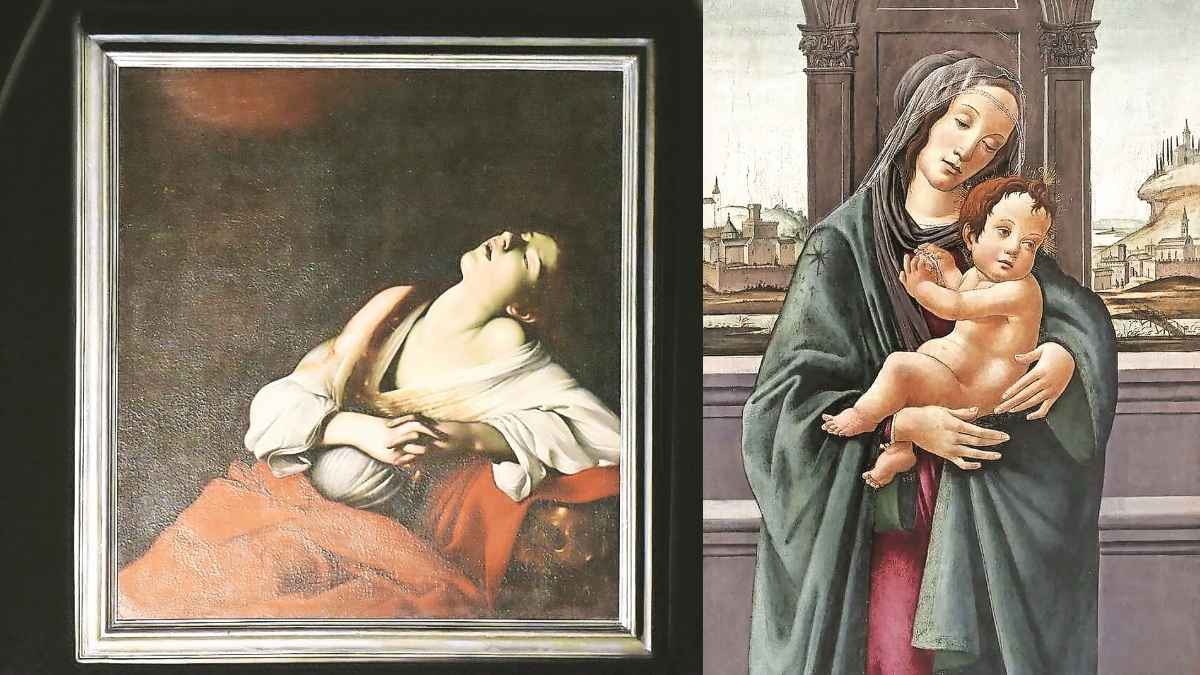
India is showing more famous artworks from other countries in its museums and galleries.
One important example is a painting by Sandro Botticelli that came from Florence to New Delhi.
The exhibition also included many other works from India and Italy.
Other exhibitions have shown art by Salvador Dalí, Caravaggio and Australia’s First Nations artists.
These events let Indian audiences see important art without traveling abroad.
Museums say they can host these works because their buildings, security and conservation systems have improved.
Some institutions also want to use foreign-made art to better understand India’s own history.
The partnerships are becoming longer and include research, education and cultural exchange.

Botticelli’s Madonna and Child became the centerpiece of an Italian art exhibition in New Delhi.
The Humayun’s Tomb Museum exhibition brought together 27 artworks and sculptures from Indian and Italian collections.
Other recent showcases included exhibitions of Salvador Dalí, Caravaggio and Australia’s First Nations art.
Experts attribute the growth of international loans to stronger institutions, infrastructure, philanthropy and public interest.
Museums increasingly view collaborations as long-term exchanges involving research, conservation, education and public programming.
- Who
- Indian museums, galleries, festivals and cultural institutions, working with international museums and collections, are hosting the exhibitions.
- What
- India is receiving major international art loans and developing broader cultural collaborations.
- Where
- The exhibitions and collaborations involve New Delhi, Goa and other Indian institutions, with artworks traveling from places including Florence and Australia.
- When
- The Botticelli exhibition opened in June, while several other showcases took place or were planned in 2025.
- Why
- The growth is linked to stronger museum infrastructure, conservation expertise, philanthropy, institutional credibility and rising audience interest.
Global Exhibition Expansion
Cultural Reclamation
Purpose of international art
Global Exhibition Expansion
International exhibitions broaden Indian audiences’ access to major global artworks and encourage cross-cultural dialogue.
Cultural Reclamation
International art should be selected for how it deepens understanding of India’s artistic and cultural history, rather than simply because it is foreign.
Nature of collaboration
Global Exhibition Expansion
Partnerships with overseas museums make India an increasingly important destination for international exhibitions.
Cultural Reclamation
The most valuable collaborations move beyond temporary loans toward sustained work in research, conservation, education and public programming.
Meaning of audience interest
Global Exhibition Expansion
Growing attendance and curiosity show that Indian audiences want greater access to international art.
Cultural Reclamation
Audiences are increasingly asking what an artwork contributes to understanding India, rather than whether its creator was Indian or foreign.
Key facts
- Featured painting
- Sandro Botticelli’s Madonna and Child
- Italian exhibition venue
- Humayun’s Tomb Museum in New Delhi
- Italian exhibition size
- 27 artworks and sculptures from museums and private collections in India and Italy
- Dalí exhibition
- Dali Comes to India presented more than 200 works from the Pierre Argillet Collection
- Caravaggio exhibition
- Maddalena in Estasi was shown at the Serendipity Arts Festival in Goa
- Australian exhibition
- Songlines: Tracking the Seven Sisters includes nearly 300 paintings, objects, photographs and multimedia works
- Loan requirements
- International loans require conservation standards, climate control, transport, security and insurance arrangements
Quotes
Katherine McMahon
Director of the National Museum of Australia
“There is a noticeable increase in international exhibitions, artwork loans and institutional collaborations involving India. What is particularly encouraging is that these engagements are becoming more meaningful and multidimensional. They are no longer limited to presenting artworks; they increasingly involve research, education, public programming and long-term cultural exchange.”
 financialexpress.com
“Ultimately, the most significant change is that Indian audiences are no longer asking whether an artist is ‘Indian’ or ‘foreign’. They are asking a far more meaningful question: what does this work contribute to our understanding of India?”
financialexpress.com
Sources
Related news

Rishi Sunak Visits India Pavilion At Venice Biennale
Jaipur exhibition brings modern art to Rajasthan's cultural landscape

Cuban Ambassador Praises PMML’s AI-Powered Immersive Museum Experience
India’s art market expands from entry-level lots to masterpieces

American Express and NMACC Partner to Elevate Cultural Experiences

Delhi Plans Cultural Welcome for BRICS Leaders’ Families

Alfred Cooke’s 1965 Sabre Battle Deserved India’s Highest Gallantry Award
West Asia Crisis Prompts Calls for India Energy Diversification
Big Bash League Opens in Chennai in Historic Overseas First
Misinformation Is Becoming a Human Rights Threat
