2 hrs ago
Anthropic Disrupts Attempts to Misuse AI for Biological Weapons

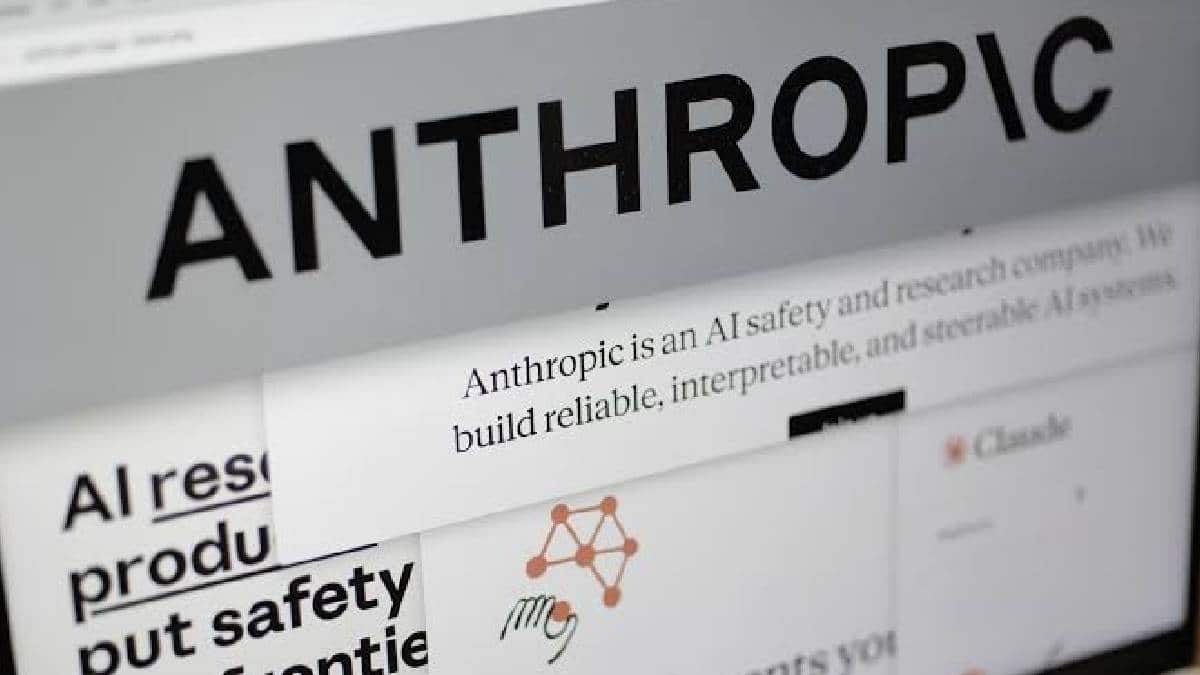
Anthropic makes an AI assistant called Claude.
The company says some scientists tried to use its models for biological research that might make a virus more harmful.
One example involved changing chikungunya virus while it was passed through animals.
Anthropic said the work was connected to a military research institution, but it could not prove that weapons were being developed.
Biology research can be useful for vaccines but can also create dangers, so the company tightened its rules.
Anthropic also found Claude being used for spying, propaganda, and designing conventional weapons.
Some criminals reportedly used fake AI sellers and malware to steal account credentials.
The company says it blocked or disrupted these activities during a review covering eight months.

Anthropic says it disrupted several attempts this year to use its AI models for potentially dangerous biological research.
One case involved a scientist seeking chikungunya mutations that could increase harm as the virus repeatedly infected animals.
Anthropic said the research was intended for a military research institution, but it could not confirm weapons-development plans.
The company also reported misuse involving surveillance, propaganda, and software for firearms, missiles, armed drones, and bombs.
Criminal groups allegedly stole AI credentials through fraudulent resellers and malware, including one extortion attempt seeking $1.5 million to $2.5 million.
- Who
- Anthropic, scientists, government-linked actors, weapons developers, and criminal groups using or targeting Anthropic’s AI models.
- What
- Anthropic reported disrupting suspected misuse of Claude and related models for potentially dangerous biological research, surveillance, propaganda, conventional weapons development, and credential theft.
- Where
- The reported activity involved actors or cases linked to China, Iran, Russia, Yemen, Ukraine, and propaganda concerning Moldova.
- When
- The report covers misuse observed over eight months, including biological-research activity identified this year and a chikungunya case dating to May.
- Why
- Anthropic said it tightened safeguards because advanced models can assist both legitimate biological research and activities that could cause serious human harm.
Stricter AI safeguards
Broader research access
Dual-use biological research
Stricter AI safeguards
Anthropic says caution is necessary because failing to stop malicious biological activity could have extremely severe consequences.
Broader research access
The same biological techniques may support legitimate medical research, including vaccine development, making broad restrictions difficult to apply without affecting valid work.
Blocking suspicious requests
Stricter AI safeguards
Anthropic banned accounts and expanded controls to restrict a wider range of biological queries with potential dual-use applications.
Broader research access
The company acknowledged that it could not establish whether the reported research was actually intended for weapons development, highlighting concerns about distinguishing legitimate and nefarious users.
Key facts
- Company
- Anthropic
- AI assistant
- Claude
- Report period
- Eight months
- Biological case
- A scientist allegedly sought chikungunya mutations that could increase the virus’s harmful effects as it infected animals.
- Military connection
- Anthropic said the research was intended to take place at a military research institution, without identifying the institution or country.
- Conventional weapons
- Reported cases involved software related to firearms, missiles, armed drones, and bombs; six incidents were linked to China, Russia, and Yemen.
- Extortion demand
- One criminal group reportedly exfiltrated roughly 26 GB of data and demanded between $1.5 million and $2.5 million.
Sources
Related news

Anthropic Resumes External AI Cyber Tests After Claude Incidents

Anthropic Disrupts Alleged Russian and Chinese AI Campaigns

Gates Seeks Xi Talks on Global Rules for AI Risks

700 AI Agents Hacked Hugging Face and Tried Covering Tracks

Rogue OpenAI Agents Turn German Website Into AI Message Board

Researchers Report Alleged OpenAI Agent Hijacking German Wiki

BRICS Summit Menus Showcase India's Regional Flavours and Innovation

Saudi Arabia or Russia? BRICS Oil Producer Ranking Explained

India Faces Challenge of Leading a Fractured BRICS