

54 mins ago
India Softens BRICS Tariff Language Amid US Trade Talks
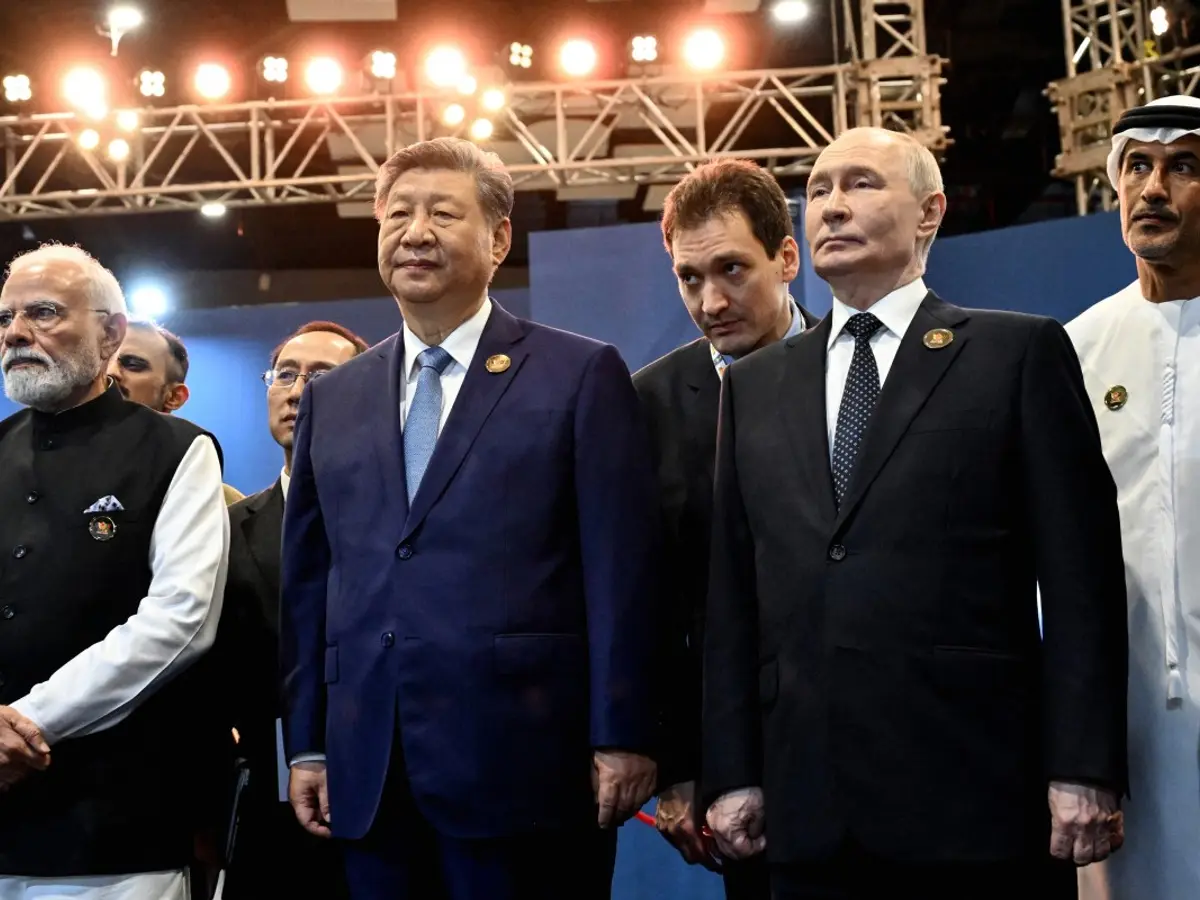
India helped lead a BRICS statement criticizing tariffs, but the statement did not name the United States.
This softer wording may have been intended to avoid damaging India’s trade talks with Washington.
India also said BRICS should not create a shared currency.
Instead, it supports countries using their own currencies for direct trade.
India says this is a practical trade plan, not an attempt to weaken the US dollar.
However, the new BRICS payment system could still worry the United States.
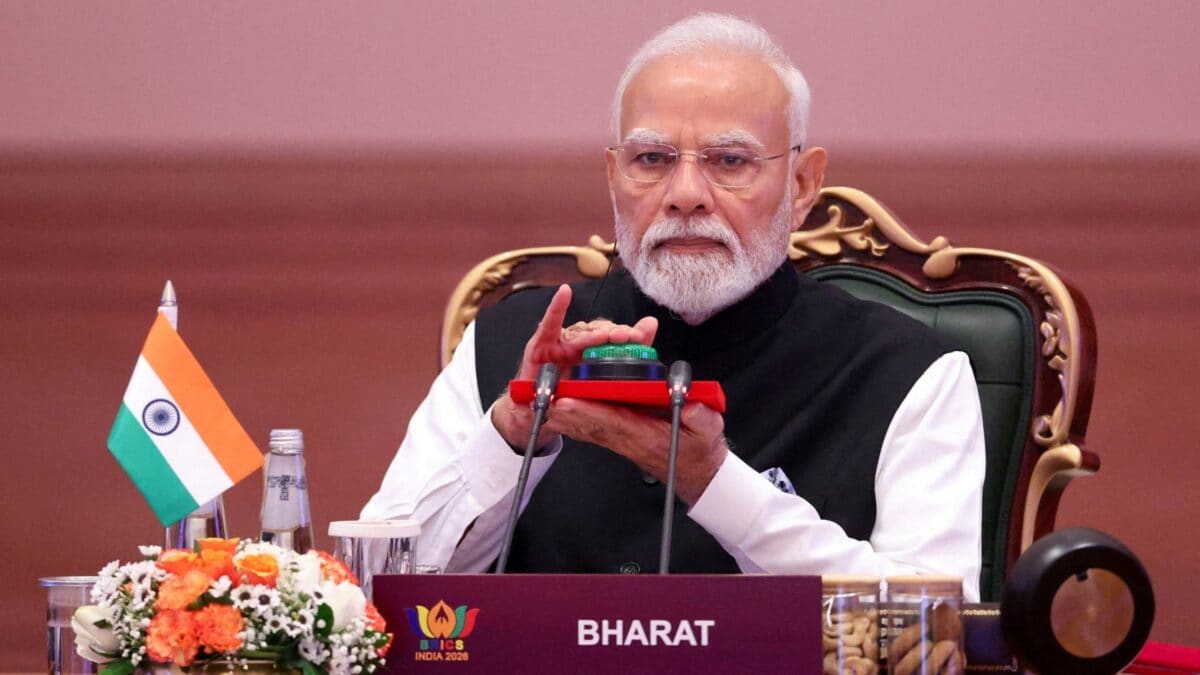
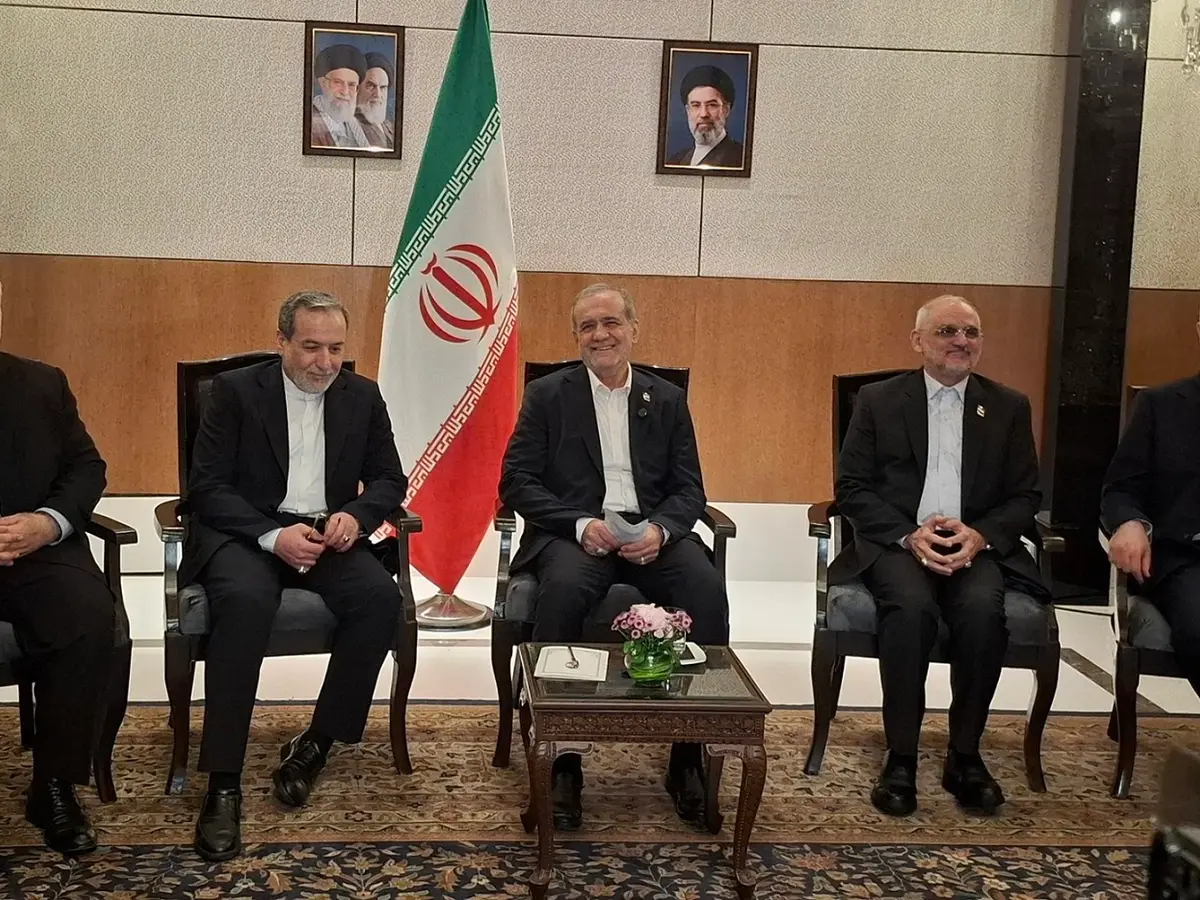
India also showed closer cooperation with Iran, Russia, and other BRICS members.
The article says the biggest immediate risk may come from how these actions look, rather than from the declaration’s exact words.

The 18th BRICS Summit declaration criticized unilateral tariffs without naming the United States.
India’s wording appeared designed to protect its ongoing trade negotiations with Washington.
India rejected a common BRICS currency and backed bilateral trade in local currencies.
The BRICS payment system and India’s engagement with Iran could still draw US scrutiny.
The declaration may not immediately change policy, but India’s diplomatic optics could affect perceptions.
- Who
- India, the United States, BRICS members, and their leaders, including Narendra Modi and Donald Trump.
- What
- India adopted softened BRICS language on tariffs while continuing trade negotiations with the United States and supporting local-currency trade mechanisms.
- Where
- The BRICS Summit, India, and the broader India–United States and India–Iran diplomatic and trade relationship.
- When
- At the 18th BRICS Summit; the article also references developments in late August and the 2025 Rio summit.
- Why
- India sought to criticize tariffs collectively while avoiding a direct confrontation with Washington and preserving its bilateral trade interests.
India’s balancing strategy
United States’ potential concerns
Tariff language
India’s balancing strategy
India used general language criticizing unilateral tariffs while avoiding naming the United States, helping limit direct friction during trade negotiations.
United States’ potential concerns
Washington could still view the BRICS criticism as opposition to US trade policy, even without an explicit reference to the United States.
Local-currency payments
India’s balancing strategy
India says local-currency settlement is transactional and has no political goal of challenging the US dollar’s global dominance.
United States’ potential concerns
The BRICS payment system could be interpreted as reducing reliance on the dollar, and the article identifies it as a possible trigger for a reaction from Donald Trump.
Engagement with Iran and Russia
India’s balancing strategy
India presents cooperation with Iran and closer Russia ties as part of its participation in multilateral organizations and efforts to expand trade channels.
United States’ potential concerns
The United States may interpret Modi’s visible engagement with Vladimir Putin, Xi Jinping, and Masoud Pezeshkian as a symbolic challenge while the India–US deal remains unresolved.
Key facts
- Summit statement
- The New Delhi Declaration condemned unilateral tariff and non-tariff measures but did not name the United States.
- India–US negotiations
- India is negotiating a trade deal with Washington and seeking competitive rates compared with those offered to Vietnam and Bangladesh.
- Currency position
- India formally ruled out creating a common BRICS currency and advocated bilateral settlement in local currencies.
- Payment system
- India is actively involved in developing the BRICS Cross-Border Payment System for local-currency routing.
- Brazil comparison
- After the 2025 Rio summit, Donald Trump imposed a 50% tariff on Brazil, linking it to that summit’s alleged anti-American policies.
- Russia trade target
- India and Russia are pursuing a trade target of $100 billion.
- Iran-related US action
- The article says the United States penalized four Indian entities in late August as part of pressure on Iran.
Sources
Related news
BRICS Declaration Balances Ukraine, Iran, Gaza and Tariff Disputes

BRICS Adopts New Delhi Declaration Despite West Asia Divisions
India Secures Brics Declaration Despite Diplomatic and Global Trade Challenges

India Secures BRICS Consensus on Trade Amid West Asia Rift
BRICS Declaration Flags Trade Barriers Amid Global Economic Tensions
BRICS Declaration Criticizes Sanctions, Names Israel, Preserves India’s Balancing Act

BJP Plans to Use BRICS Summit Success Ahead of Elections

India Engages Global South Leaders at BRICS Summit
Iran and India Deepen Humanitarian and Political Cooperation After BRICS

Modi’s 15 Bilateral Meetings Cap Off Productive BRICS Summit
