3 weeks ago
Clean Car Headlights With These 5 Simple Monsoon Driving Tips
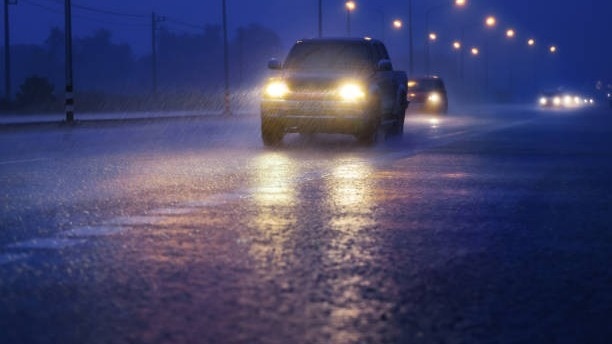
When it rains a lot, cars can get very dirty.
Dirty car headlights do not shine as bright as clean ones.
If headlights cannot shine bright, drivers cannot see people, signs, or things on the road.
This can be dangerous, so keeping headlights clean helps keep everyone safe.
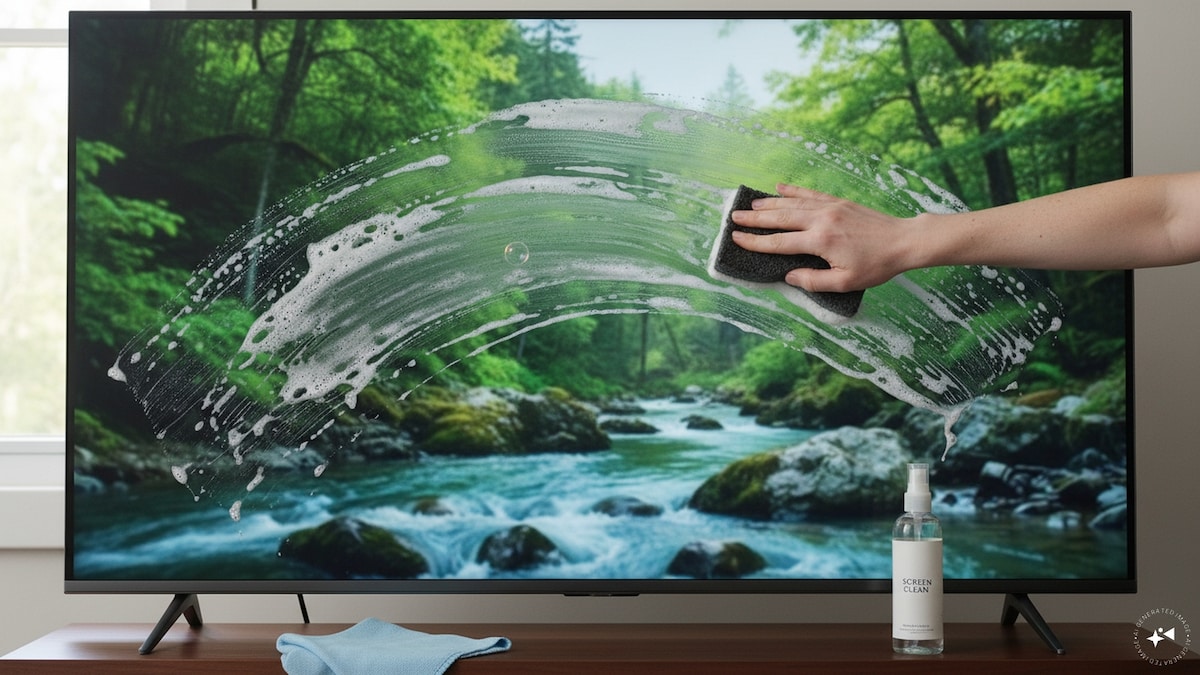
You can wash headlights with warm water and a little dish soap.
Vinegar mixed with water can remove water spots.
A paste made of baking soda and water can help cloudy lenses.
Alcohol that is watered down can clean greasy dirt.
Mud should be wiped off right away so it does not dry and scratch the lens.
You should not use scratchy scrubbers or harsh cleaners.
If headlights stay yellow or foggy, a special cleaning kit or a professional can help fix them.

Dirty or hazy headlights reduce visibility even when bulbs work, making it harder to spot pedestrians, road signs and obstacles in rain.
Washing headlights with warm water and a few drops of mild dish soap removes dust, mud, insects and road grime without damaging the lens.
A solution of equal parts white vinegar and water dissolves mineral deposits and water spots that create a hazy film.
A baking soda paste works for mild oxidation, while diluted isopropyl alcohol removes oily residue and road grease.
Avoid harsh household cleaners, abrasive scrubbers and steel wool, and seek restoration kits or professional help for heavily oxidized lenses or trapped moisture.
- Who
- Drivers of vehicles with dirty or hazy headlights
- What
- Tips for cleaning car headlights to improve visibility and safety in rain
- Where
- Not specified in the article
- When
- During monsoon and foggy weather
- Why
- Dirty or hazy headlights reduce visibility, making it harder to spot pedestrians, road signs and obstacles in time
Key facts
- Method 1
- Wash with mild dish soap and warm water using a soft microfiber cloth or sponge
- Method 2
- Equal parts white vinegar and water to dissolve water spots and mineral deposits
- Method 3
- Baking soda and water paste for mild lens oxidation
- Method 4
- Diluted isopropyl alcohol to clean oily residue and road grease
- Method 5
- Wipe fresh mud immediately with a damp microfiber cloth to prevent scratching
- Mistakes to avoid
- Harsh household cleaners, abrasive scrubbers, steel wool, and cleaning in direct sunlight
- When cleaning is not enough
- Yellowed or heavily oxidized lenses or moisture trapped inside housing may need a restoration kit or professional restoration