10 months ago
Trump Escalates Trade War with China Amidst Shifting Tariffs and Truces
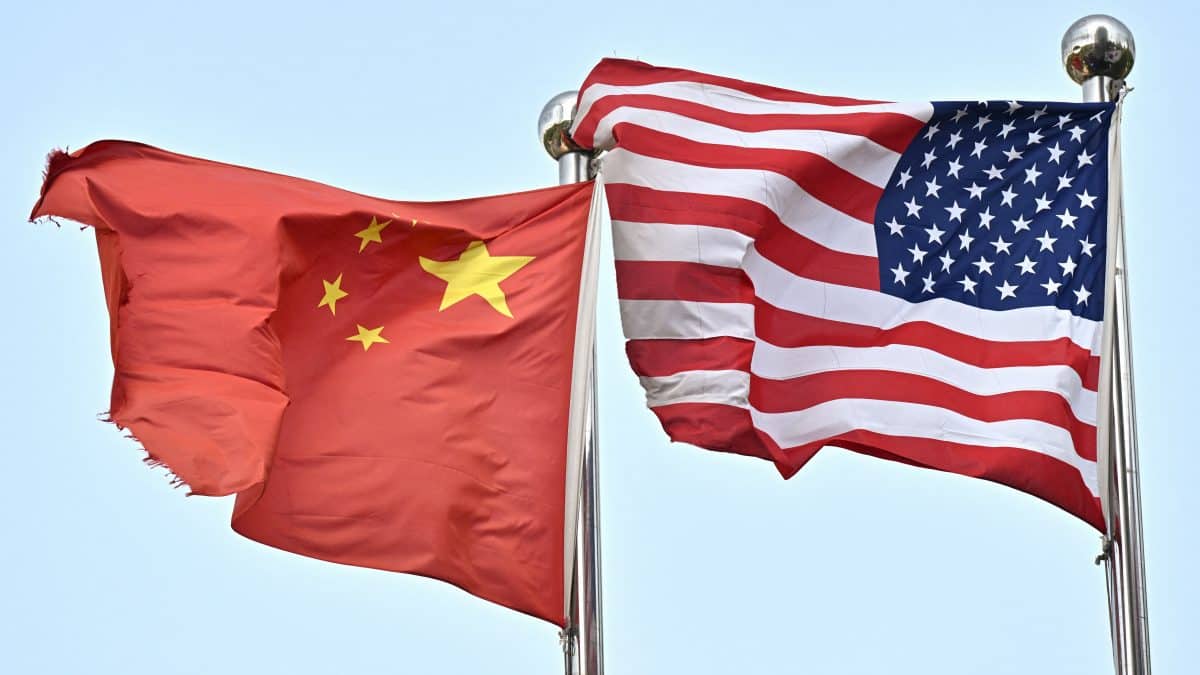
Imagine two big countries, the U.S. and China, are having a big argument about trading stuff.
The U.S. president put extra taxes, called tariffs, on many things China sells to the U.S. because he wants to sell more of his own things and buy less from China.
China got mad and put extra taxes on things the U.S. sells to them, like soybeans.
They also started controlling who can buy certain important materials, like rare earths, which are used to make electronics and clean energy products.
Sometimes, they agree to stop the fighting for a while, called a truce, and they talk to try and work things out.
They even talked about a popular app called TikTok.
It's like a back-and-forth of punishments and temporary peace, with both sides trying to get what they want.

China suspends some retaliatory tariffs on U.S. imports, but maintains others countering U.S. 'Liberation Day' tariffs.
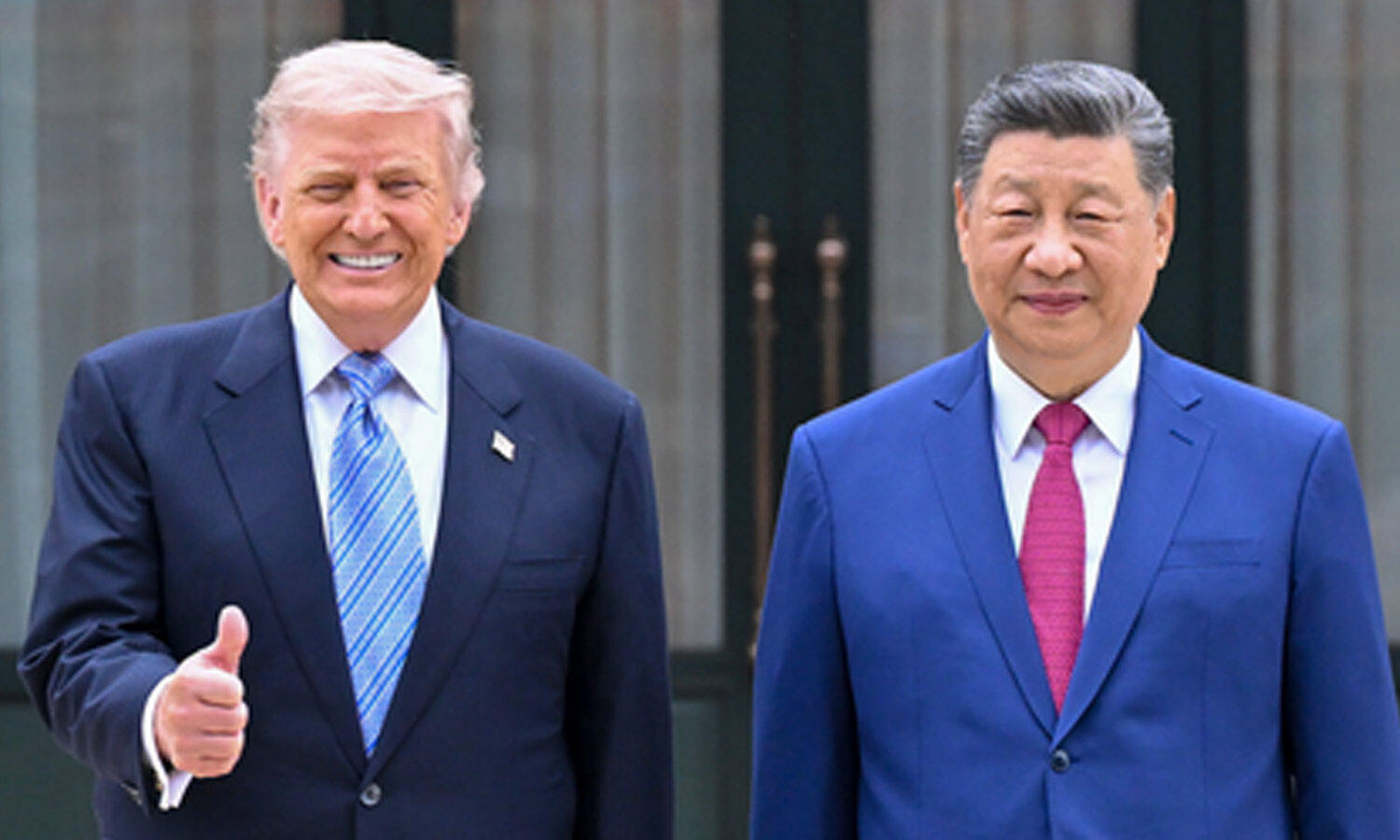
A trade truce was reached after talks between Trump and Xi Jinping, leading to agreements on fentanyl trade, soybean purchases, and rare earth export controls.
The U.S. and China engaged in rounds of talks and agreed to a framework for TikTok's ownership switch and a pause on further tariffs.
Both nations have implemented and escalated tariffs on a wide range of goods, including soybeans, optical fiber, rare earths, and critical software.
China has expanded export controls on rare earths and other key elements, while the U.S. has taken measures against Chinese tech firms and airlines.
- Who
- United States (President Donald Trump) and China (President Xi Jinping)
- What
- An escalating trade war characterized by reciprocal tariffs, export controls, trade truces, and negotiations on various goods and technologies, including soybeans, rare earths, and TikTok.
- Where
- Negotiations and events occurred in locations including South Korea, Malaysia, Spain (Madrid), and London, with broader implications for global supply chains.
- When
- Primarily throughout 2025, with key events detailed from February to November.
- Why
- To address trade deficits, bring back manufacturing, combat illicit fentanyl trade, and exert influence over strategic sectors like technology and critical minerals.
U.S. Stance
China's Stance
Tariffs and Trade Balances
U.S. Stance
The U.S. under Trump has imposed a series of escalating tariffs on Chinese imports, aiming to reduce the trade deficit, bring back manufacturing, and address issues like the fentanyl trade. They have also threatened export controls on critical software and Boeing parts.
China's Stance
China has consistently criticized U.S. tariffs as hypocritical and a 'joke,' responding with its own retaliatory tariffs and export controls on strategic materials like rare earths. They have also launched investigations into U.S. companies and imposed sanctions.
Rare Earth Exports
U.S. Stance
The U.S. has expressed concern over China's expanded rare earth export controls, viewing them as a threat to global supply chains, and has sought to ease measures on these critical minerals.
China's Stance
China has tightened its grip on rare earths by widening export controls and increasing scrutiny of semiconductor users, solidifying its dominance in critical mineral markets.
Technology and Business Restrictions
U.S. Stance
The U.S. has considered barring Chinese firms from its technology sector and has taken actions such as planning to ban Chinese airlines from flying over Russia on U.S. routes and revoking visas for Chinese students.
China's Stance
China has responded by launching antitrust investigations into U.S. chipmakers and designating U.S.-linked entities as 'unreliable,' while also threatening curbs on Hollywood films.
Key facts
- Key U.S. Negotiators
- President Donald Trump, Treasury Secretary Scott Bessent, Trade Representative Jamieson Greer
- Key Chinese Negotiators
- President Xi Jinping, Vice Premier He Lifeng, Trade Negotiator Li Chenggang
- Major U.S. Tariffs Imposed
- Up to 100% on imports, 34% baseline on China, 84% on all Chinese imports, 125% on Chinese imports, 20% on fentanyl-related goods
- Major Chinese Retaliatory Tariffs
- Up to 15% on farm goods, 10% on U.S. imports, 125% on U.S. imports, 34% on U.S. imports
- Key Goods Affected
- Soybeans, optical fiber, rare earths, critical software, Boeing parts, semiconductors, coal, LNG, crude oil, autos, medical equipment, Hollywood films
- Notable Agreements
- Trade truce, pause on tariffs, framework deal for TikTok ownership, delay in barring Chinese tech firms, resumption of soybean purchases
- Duration of Truce
- Extended multiple times for 90 days
Quotes

Trump
U.S. President
“China violated Geneva deal to mutually roll back tariffs and ease curbs on critical minerals exports, but China rejects this, accusing the United States of “discriminatory restrictive” curbs instead.”
 theprint.in
“calling China’s sharply reduced U.S. purchases of the oilseed a negotiation tactic.”
theprint.in

Jamieson Greer
Trade Representative
“tariffs of about 55% on Chinese imports are a "good" status quo, but the United States would like freer trade increase.”
theprint.in

China
Official statement from China
“calls Trump’s tariff strategy “a joke” and signals it will ignore any further U.S. “numbers game with tariffs”.”
theprint.in
Sources
Related news

RBI Governor Meets US Fed Chief Kevin Warsh at G20
Indian Firms Invest $40 Billion in U.S., Supporting Jobs
Trump Aides Seek to Keep Iran War Quiet Before Midterms
Global Bond Sell-Off Pushes Japan Yields To 30-Year High

US and China Hold Quiet Talks Over Iran Conflict