2 weeks ago
NSE Closing Auction Faces First Major Test Amid Record Turnover
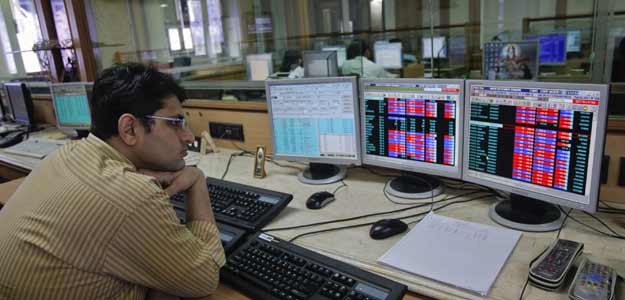
The stock exchange tested a new way to decide the day’s final prices.
On August 31, many investment funds had to change their holdings because of an MSCI index review.
They placed many orders during the final 15 minutes of trading.
About Rs 39,718 crore worth of shares were traded in that short period.
The new system, called CAS, matches many buy and sell orders at one final price.
It handled the unusually large amount of trading successfully.
However, most of the activity came from this special event rather than from an ordinary day.
Experts say investors should be careful because prices can move quickly and orders may not be completed.

NSE’s Closing Auction Session handled Rs 39,718 crore on August 31, 2026.
The turnover represented 22% of NSE’s cash-market activity that day and involved more than 98,000 investors.
The surge followed MSCI’s August 2026 index review, which prompted funds to rebalance portfolios at the close.
CAS accounted for nearly 63% of NSE’s total auction turnover during its first month.
Analyst Hemant Sood said CAS improves price discovery but still faces liquidity, surveillance and trading-risk challenges.
- Who
- The National Stock Exchange, more than 98,000 investors, index-tracking funds and analyst Hemant Sood were involved or cited.
- What
- The NSE’s new Closing Auction Session processed Rs 39,718 crore in trades during its first major stress test.
- Where
- On the National Stock Exchange in India.
- When
- The major trading session occurred on August 31, 2026; CAS began on August 3, 2026.
- Why
- Funds tracking MSCI indexes had to realign portfolios after the August 2026 index review.
Case for CAS
Reasons for Caution
Price discovery
Case for CAS
CAS pools buy and sell orders and establishes a single equilibrium price, which Hemant Sood said could reduce tracking error and bring India closer to global practice.
Reasons for Caution
Sood said one exceptionally large session does not prove the mechanism works equally well on ordinary days.
Liquidity and stability
Case for CAS
The system absorbed Rs 39,718 crore during a major index-rebalancing event, indicating it can handle substantial closing flows.
Reasons for Caution
Nearly 63% of the first month’s CAS turnover came from that one day, suggesting liquidity remains strongly event-driven; thin auction depth has also produced sharp price movements.
Trading risks
Case for CAS
A defined auction window gives market participants a structured process for submitting and matching closing orders.
Reasons for Caution
The close is now a new risk window: cash stocks can trade toward a final price until 3:35 pm, derivatives continue until 3:40 pm, and Market Price Protection does not apply during CAS.
Key facts
- Auction turnover
- Rs 39,718 crore on August 31, 2026
- Share of daily NSE cash turnover
- 22%
- Investors involved
- More than 98,000
- Comparison with normal days
- About 42 times the usual turnover in the same window
- First-month CAS turnover
- Around Rs 63,000 crore
- NSE market share
- NSE accounted for 99.9% of the reported CAS turnover
- Trading schedule
- Auction orders are submitted from 3:20 pm to 3:30 pm, with trades matched by 3:35 pm
Quotes
Hemant Sood
Founder and Managing Director of Findoc
“The Rs 39,718 crore close shows that CAS can absorb a major index-rebalancing flow, but it does not yet prove that the mechanism works equally well every day. One session generated roughly 63 per cent of the entire first month's auction turnover, which tells us liquidity remains strongly event-driven”
 NDTV
NDTV
“CAS is a sound reform, but its success should ultimately be judged by stable everyday liquidity and fewer closing-price dislocations, not by one record day alone”
NDTV
Sources
Related news

MSCI Rebalance Drives Record NSE Closing Auction Turnover

MSCI Rebalancing Tests India’s New Closing Auction System
Sensex Swings 2,200 Points During BSE Closing Auction

Closing Auction Session Faces Volatility Despite Hopes For Stability

Cash Market Volumes Hit Five-Month Low Amid CAS Swings

SEBI Keeps Closing Auction Session Unchanged Amid Expiry Volatility

NSE IPO Listing Tomorrow After Rs 6,746 Crore Anchor Raise
NSE’s Rs 22,561 Crore IPO Set for BSE Listing

Shriram Life CIO Shares Contrarian View on IT Stocks

Elecon Engineering Shares Rally 10% Amid Heavy Trading Volume
National Stock Exchange Shares Set To Debut On BSE