2 hrs ago
India Approves 654 MW Power Exports To Flood-Hit Nepal
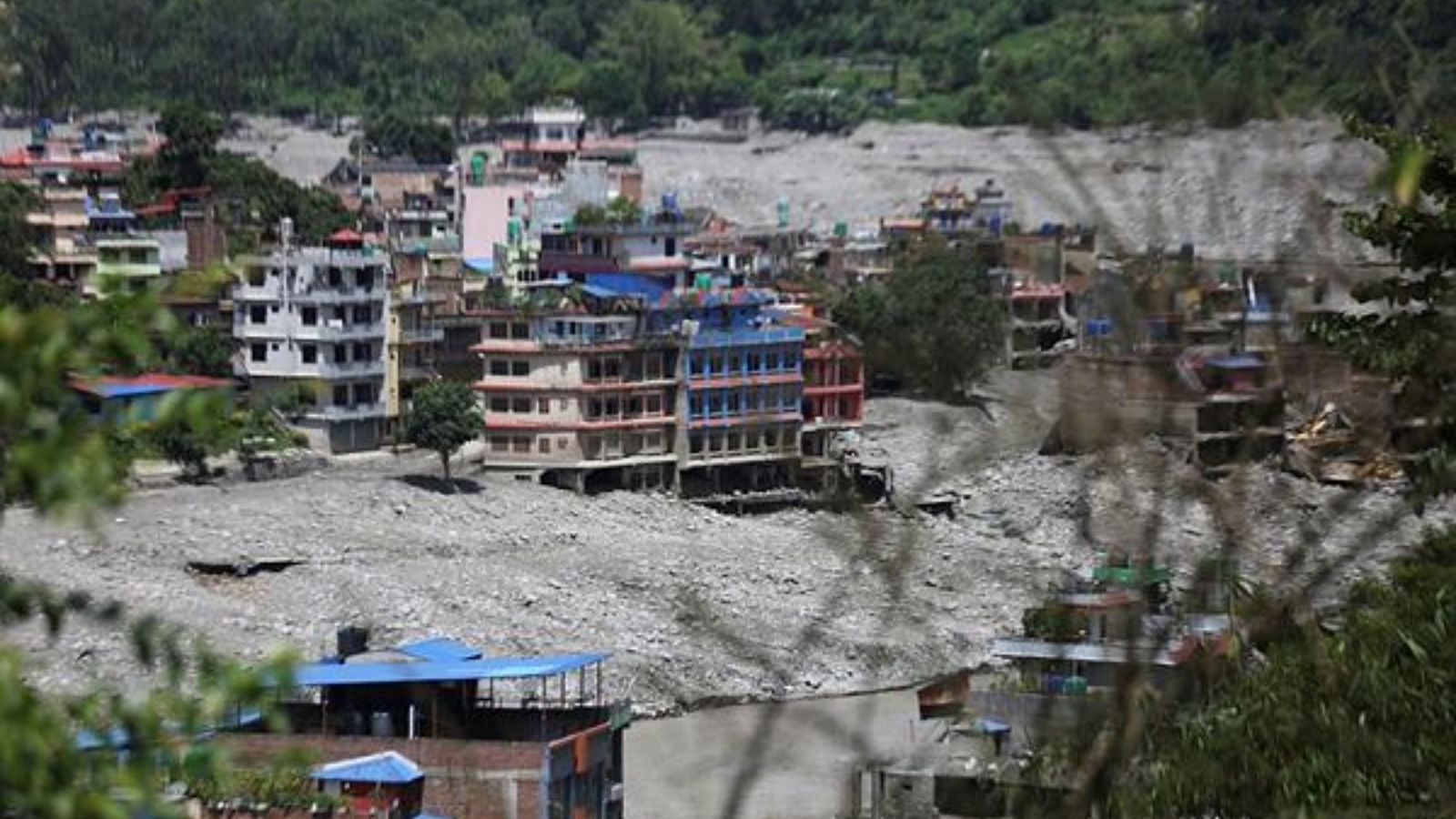
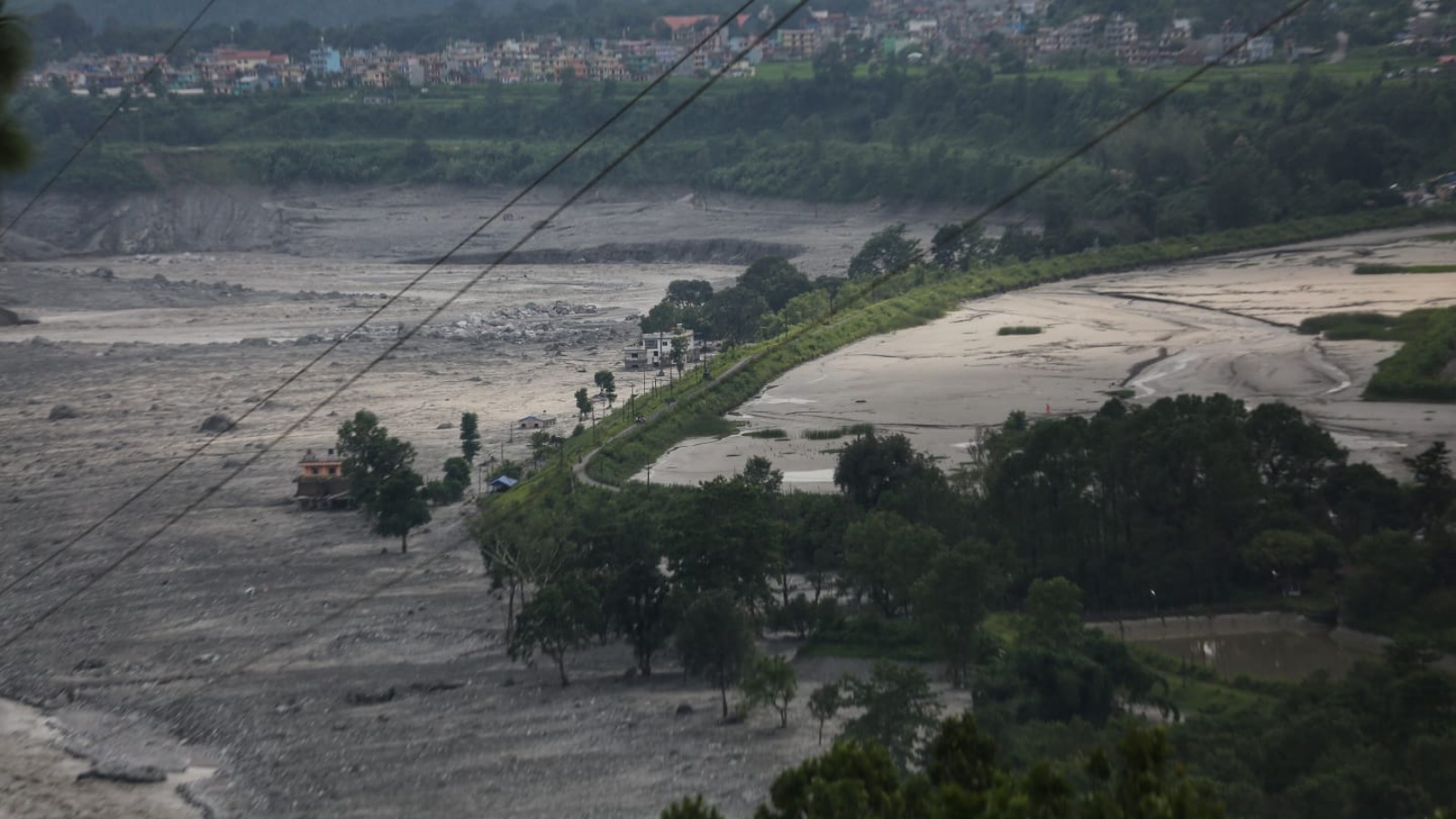
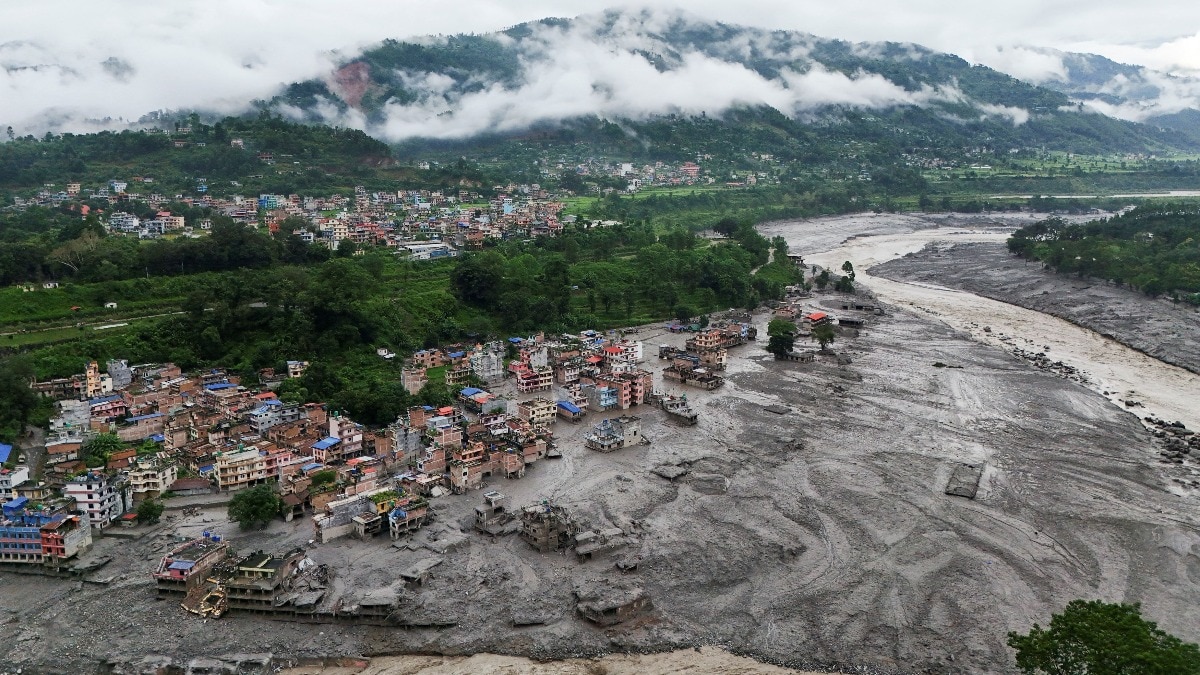
Floods damaged many power stations in Nepal.
This means Nepal cannot make as much electricity as usual.
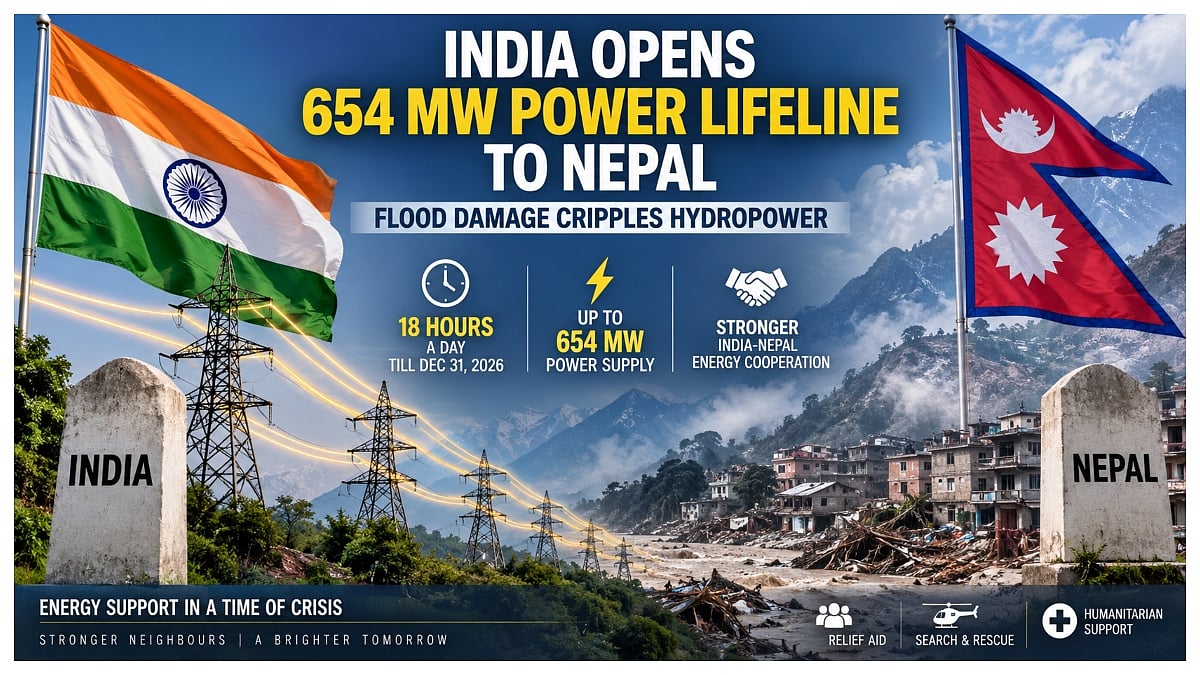
India has agreed to send Nepal up to 654 megawatts of electricity.
The power can be sent for 18 hours each day, from midnight until 6 pm.
The agreement lasts from September 13 to December 31, 2026.
Most of the electricity will be sent during daylight hours, when India has more solar power available.
India has less extra electricity in the evening and at night because solar power falls after sunset.
The decision is meant to help Nepal while its damaged hydropower facilities are repaired.
India is also sending rescue supplies and experts to help with the flood response.

India approved up to 654 MW of electricity exports to Nepal from September 13 through December 31, 2026.
The Nepal Electricity Authority can receive power for 18 hours daily, from midnight to 6 pm.
Up to 600 MW will move through the Muzaffarpur-Dhalkebar line and 54 MW through the Tanakpur-Mahendranagar line.
Floods damaged 13 hydropower plants and reduced Nepal’s domestic generation capacity by about 550 MW, according to assessments cited in the reports.
India’s daytime export plan reflects stronger solar availability, although its evening and nighttime power supply remains tighter.
- Who
- The Government of India, through its Ministry of Power, and the Nepal Electricity Authority.
- What
- India approved up to 654 MW of electricity exports to Nepal for 18 hours daily.
- Where
- Power will be transmitted through the Muzaffarpur-Dhalkebar and Tanakpur-Mahendranagar cross-border lines.
- When
- From September 13 to December 31, 2026; exports after January 2027 will be reviewed in December 2026.
- Why
- Floods damaged Nepal’s hydropower infrastructure, reducing domestic electricity generation and creating an additional power requirement.
Support for Daytime Exports
Concerns About Domestic Supply
Timing of electricity exports
Support for Daytime Exports
Sending power from midnight to 6 pm helps Nepal during its generation shortfall and uses India’s relatively comfortable daytime power availability, supported by expanded solar capacity.
Concerns About Domestic Supply
India’s power system faces tighter conditions during evening and nighttime hours as solar generation falls; reported night-time shortfalls reached 7.7 GW on September 9 and 6.1 GW on September 10.
Key facts
- Approved export capacity
- Up to 654 MW
- Daily supply window
- 0000 hours to 1800 hours, or 18 hours per day
- Approval period
- September 13 to December 31, 2026
- Transmission routes
- Up to 600 MW through the Muzaffarpur-Dhalkebar 400 kV line and up to 54 MW through the Tanakpur-Mahendranagar 132 kV line
- Estimated Nepal generation loss
- About 550 MW after damage to hydropower facilities
- Flood damage
- Nepal’s Energy Ministry said 13 hydropower plants, including under-construction projects, and one solar plant were affected
- Reported flood toll
- 1,385 dead and 5,130 missing, according to Nepal’s September 11 disaster update
Quotes

India’s Ministry of Power
The Indian government ministry responsible for approving the electricity exports
“The recent floods have caused significant damage to hydropower infrastructure in Nepal, reducing its domestic power generation capacity and creating an additional requirement for electricity.”
 indianexpress.com
“The approval will help Nepal meet its power requirements during this difficult period and further strengthen the close and longstanding energy cooperation between India and Nepal.”
 freepressjournal.in
Sources
Related news
India Approves Power Exports to Flood-Hit Nepal Through December
Flood Damage Prompts Nepal to Seek Early Electricity Imports
Glacier Collapse Damages Nepal Hydropower, Prompting Possible India Imports

Bhotekoshi Flood Halts Nepal’s Bangladesh Power Exports, Cuts India Supply

Kolkata Puja Committee Donates to Nepal Flood Victims

Himalayan Glacier Melt Threatens Water Security and Livelihoods
Himalayan Melt and Monitoring Gaps Threaten Northern India