

2 hrs ago
India Approves Power Exports to Flood-Hit Nepal Through December
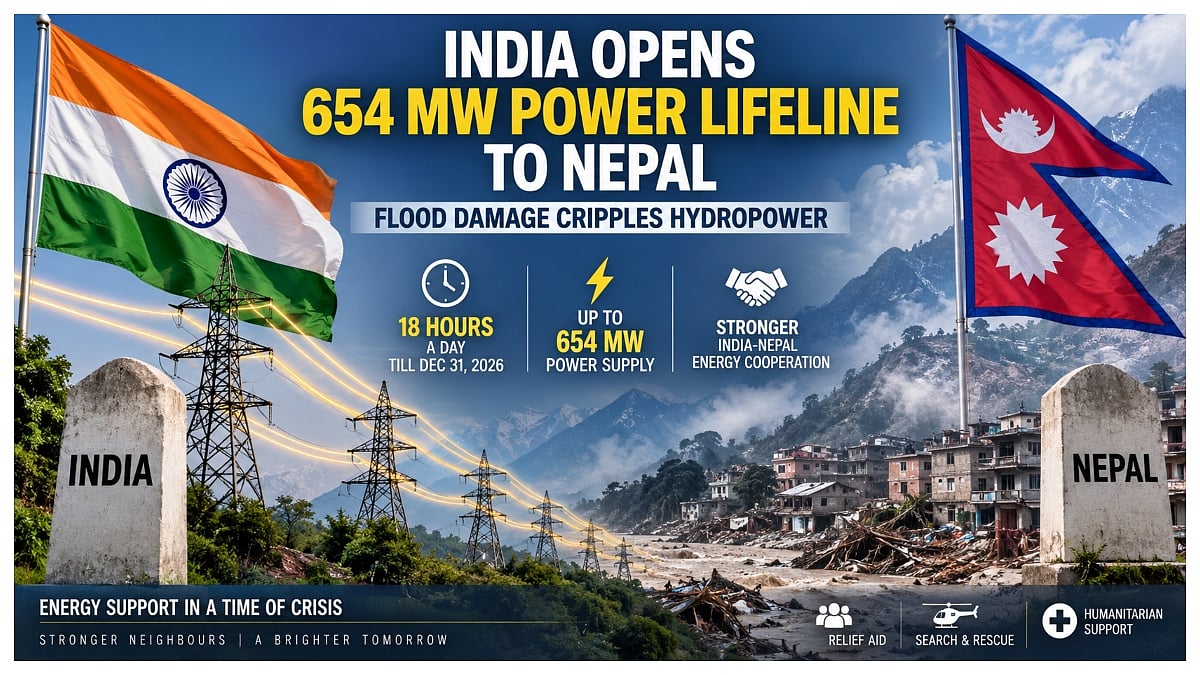
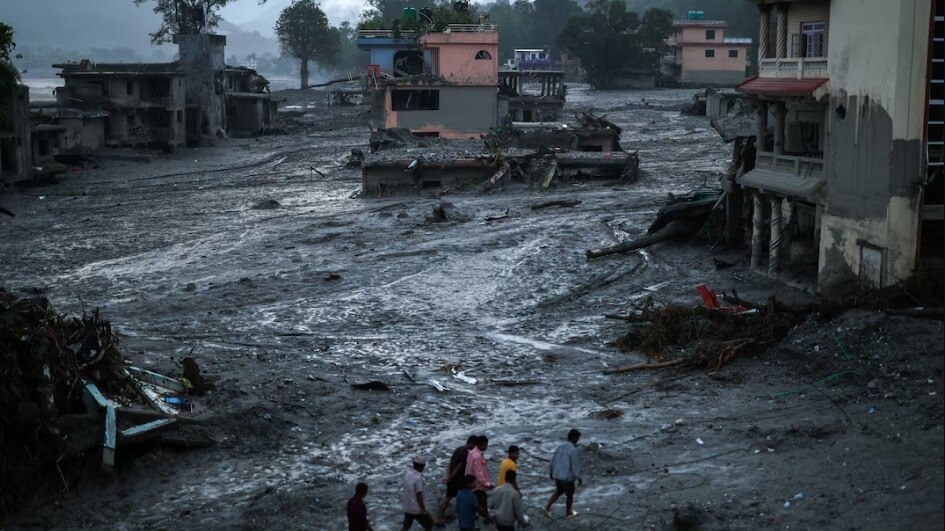
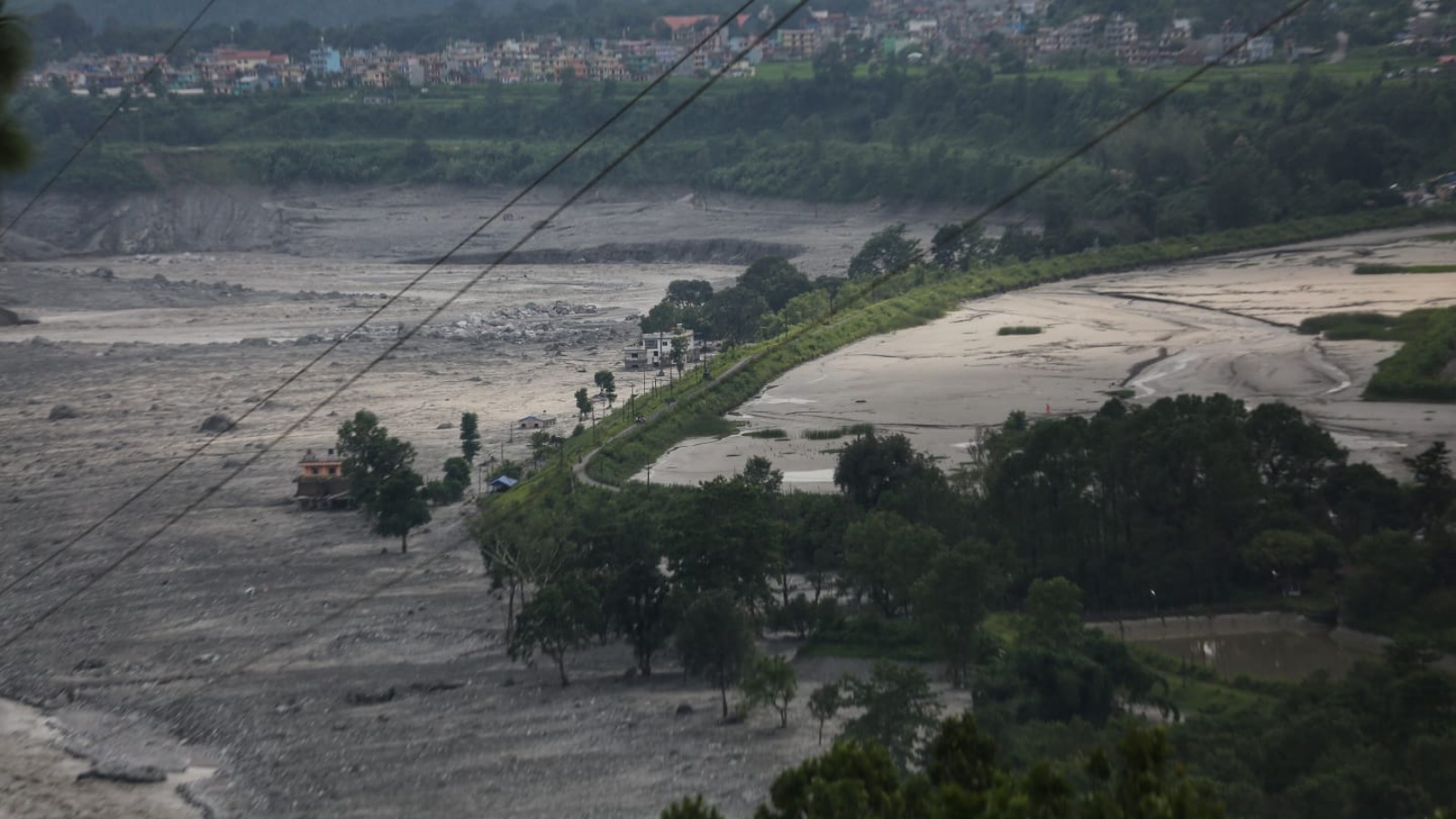
Devastating floods damaged many of Nepal’s power plants and other important infrastructure.
Because Nepal could not produce enough electricity, it stopped exporting power and needed to buy electricity from India.
India approved power supplies for 18 hours each day until December 31.
The approved amount can reach 654 megawatts through two transmission connections.
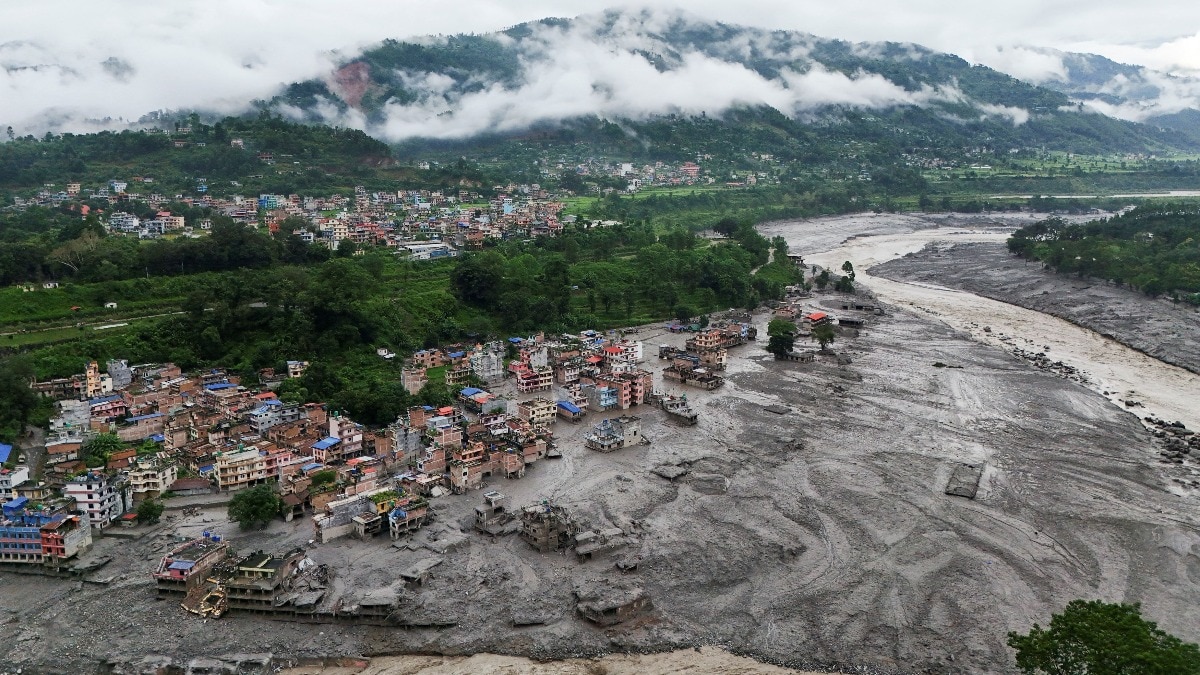
The floods affected Bagmati province and several nearby districts.
An official study estimated the direct damage and economic losses at about USD 2.7 billion.
Nepal also said the wider cost of rebuilding and preparing for future disasters could be more than USD 5 billion.
The disaster caused many deaths and left thousands of people missing.
India also sent rescue equipment, relief supplies and personnel to help Nepal.

India approved electricity supplies to Nepal for 18 hours daily through December 31, with up to 654 MW cleared.
The supply can move through the Muzaffarpur-Dhalkebar and Tanakpur-Mahendranagar transmission links.
Flash floods damaged Nepal’s hydropower infrastructure, especially in Bagmati province, forcing the country to halt power exports.
A formal assessment estimated about USD 2.7 billion in damage, while Nepal separately said broader damage could exceed USD 5 billion.
The disaster reportedly killed 1,386 people, left about 5,130 missing, and damaged homes, roads, bridges and hydropower projects.
- Who
- India and Nepal, including the Ministry of Power, the Nepal Electricity Authority and Nepal’s National Disaster Risk Reduction and Management Authority.
- What
- India approved electricity exports to Nepal after flash floods damaged hydropower infrastructure and caused power shortages.
- Where
- The disaster affected northern and central Nepal, including Bagmati province and the districts of Rasuwa, Nuwakot, Dhading, Gorkha and Chitwan.
- When
- Power exports are approved through December 31; the floods were reported as beginning with an ice-rock avalanche on August 26.
- Why
- Nepal’s hydropower generation capacity was sharply reduced, creating a domestic electricity deficit.
Nepal’s Broader Damage Estimate
Formal Assessment
Scale of the disaster
Nepal’s Broader Damage Estimate
Nepal said the flash-flood damage could be upwards of USD 5 billion, reflecting broader rebuilding and recovery requirements.
Formal Assessment
Nepal’s Rapid Damage and Needs Assessment estimated total damage at about USD 2.7 billion, while distinguishing reconstruction and disaster-risk reduction needs from direct asset damage.
Electricity response
Nepal’s Broader Damage Estimate
Nepal halted power exports and said it needed to purchase electricity from India because flooding reduced domestic generation.
Formal Assessment
India described the approved supplies as support during a difficult period and said they would strengthen longstanding energy cooperation.
Key facts
- Power-supply period
- India approved electricity supplies for 18 hours daily until December 31.
- Maximum approved supply
- Up to 654 MW: 600 MW through the Muzaffarpur-Dhalkebar line and 54 MW through the Tanakpur-Mahendranagar link.
- Formal damage estimate
- About USD 2.7 billion, including USD 1.81 billion in physical damage and USD 883.32 million in economic losses.
- Broader damage estimate
- Nepal said total damage could exceed USD 5 billion when wider recovery and reconstruction needs are considered.
- Energy-sector impact
- Hydropower damage was estimated at USD 889.21 million, with USD 107.91 million in economic losses and an estimated annual generation loss of 2,520 GWh.
- Infrastructure impact
- Infrastructure accounts for 65.47% of recovery needs; 69 kilometers of roads were damaged, including 55 kilometers classified as completely damaged.
- Reported human toll
- The second report said 1,386 people had died, about 5,130 remained missing, and more than 13,700 had been rescued.
Sources
Related news
India Approves 654 MW Power Exports To Flood-Hit Nepal

Bhotekoshi Flood Halts Nepal’s Bangladesh Power Exports, Cuts India Supply
Glacier Collapse Damages Nepal Hydropower, Prompting Possible India Imports
Flood Damage Prompts Nepal to Seek Early Electricity Imports

Nepal Floods Kill 734 as Rescue Efforts Enter Day Four

Pakistan Bounty, Telecom Probe And India’s Top Evening Developments

India Approves Nepal Power Exports as Regional Tensions Rise

Kolkata Puja Committee Donates to Nepal Flood Victims
