2 hrs ago
Fadnavis Calls Current Electoral Roll Revision the Next Phase
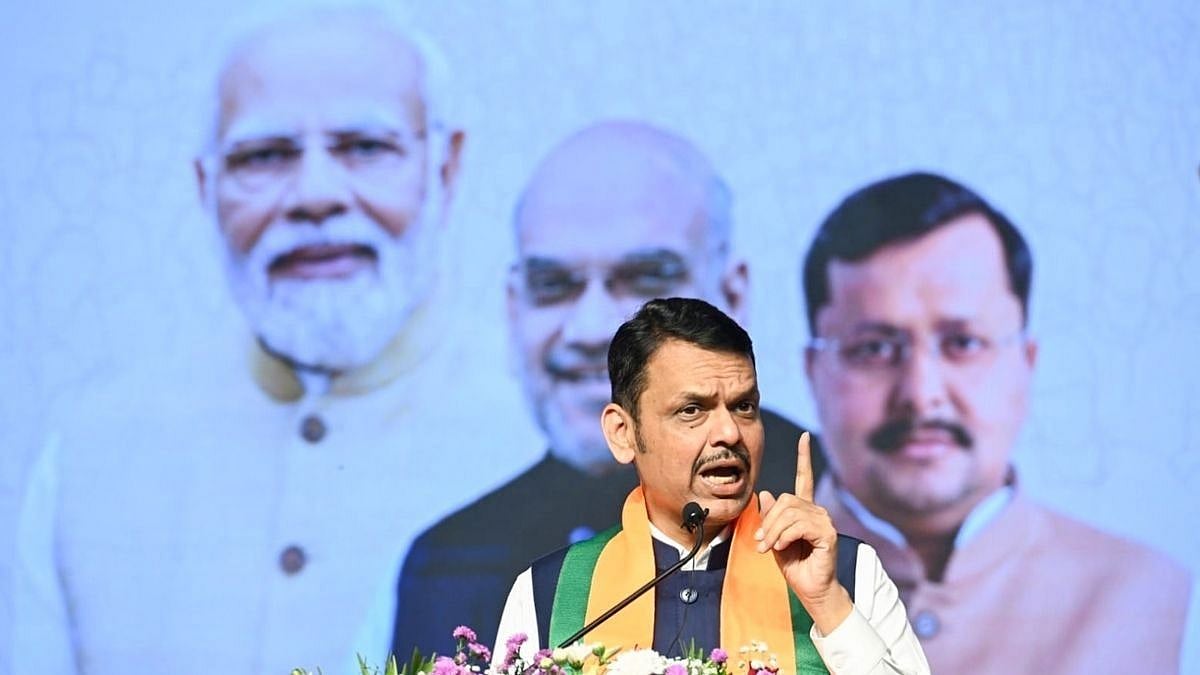
Devendra Fadnavis says India has checked and updated voter lists many times since the 1950s.
He says the current Special Intensive Revision is another stage in that process.
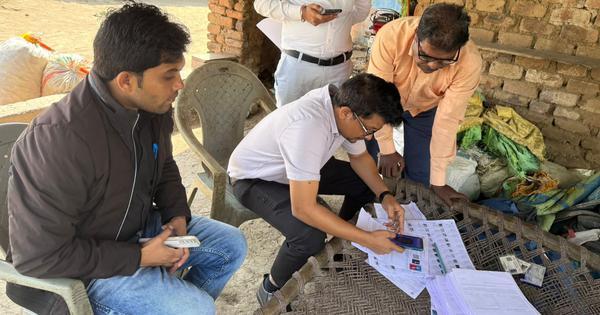
Officials visit homes, collect forms and check voter records.
Voter lists change when people become eligible to vote, die or move.
Fadnavis says regular checks help keep the lists accurate and include eligible voters.
Opposition parties and other groups have raised concerns about the current exercise and asked for more clarity.
The Election Commission says the goal is to keep voter lists accurate and up to date.

Maharashtra Chief Minister Devendra Fadnavis described the current Special Intensive Revision (SIR) as the next phase of a long-standing electoral roll process.
He listed intensive revisions in 1952–56, 1957, 1961, 1965, 1966, 1983–84, 1987–89, 1992, 1993, 1995, 2002, 2003 and 2004.
Fadnavis said the process includes door-to-door information gathering, enumeration forms and voter-record verification.
He cited new eligible voters, deaths, urbanisation and migration as reasons voter lists change and need periodic verification.
He said the revision aims to include all eligible citizens and maintain accurate rolls; opposition groups have raised concerns and sought greater clarity.
- Who
- Maharashtra Chief Minister Devendra Fadnavis and the Election Commission; opposition parties and other groups have raised concerns.
- What
- Fadnavis described the current Special Intensive Revision of electoral rolls as the next phase of a long-running process.
- Where
- The remarks concerned electoral rolls in India; Fadnavis made them in a post on X.
- When
- Fadnavis made the remarks on Monday; he cited revision exercises dating from 1952 through 2004.
- Why
- Fadnavis said periodic revisions help keep voter lists accurate and reliable and include eligible citizens.
Concerns about the revision
Support for the revision
Purpose and implications of SIR
Concerns about the revision
Opposition parties and other groups have raised concerns and demanded greater clarity about the process and its implications for voters.
Support for the revision
Fadnavis says intensive revision is a long-standing process intended to improve roll accuracy and include eligible citizens; the Election Commission says the exercise aims to keep rolls accurate and updated.
Key facts
- Speaker
- Devendra Fadnavis, Maharashtra Chief Minister
- Exercise
- Special Intensive Revision (SIR) of electoral rolls
- Fadnavis's description
- The current SIR is the next phase of a long-standing process
- Earlier revision periods cited
- 1952–56; 1957; 1961; 1965; 1966; 1983–84; 1987–89; 1992; 1993; 1995; 2002; 2003; 2004
- Process described
- Door-to-door information collection, distribution and collection of enumeration forms, and voter-record verification
- Factors changing rolls
- New eligible voters, deaths, urbanisation, migration and registrations from one location to another
- Stated aim
- Include eligible citizens and maintain accurate, reliable electoral rolls
- Concerns
- Opposition parties and other groups have raised concerns and sought greater clarity on the exercise and its implications for voters
Quotes

Devendra Fadnavis
Maharashtra chief minister who commented on the Election Commission’s electoral-roll revision.
“Maintaining the accuracy and reliability of electoral rolls through intensive revision is a long-standing process in the electoral system.”
 freepressjournal.in
“the next phase of this comprehensive process.”
freepressjournal.in
Sources
Related news
India's Controversial Electoral Roll Revision Faces Internal and Public Scrutiny
Quraishi Criticizes SIR Over Large Voter Exclusions
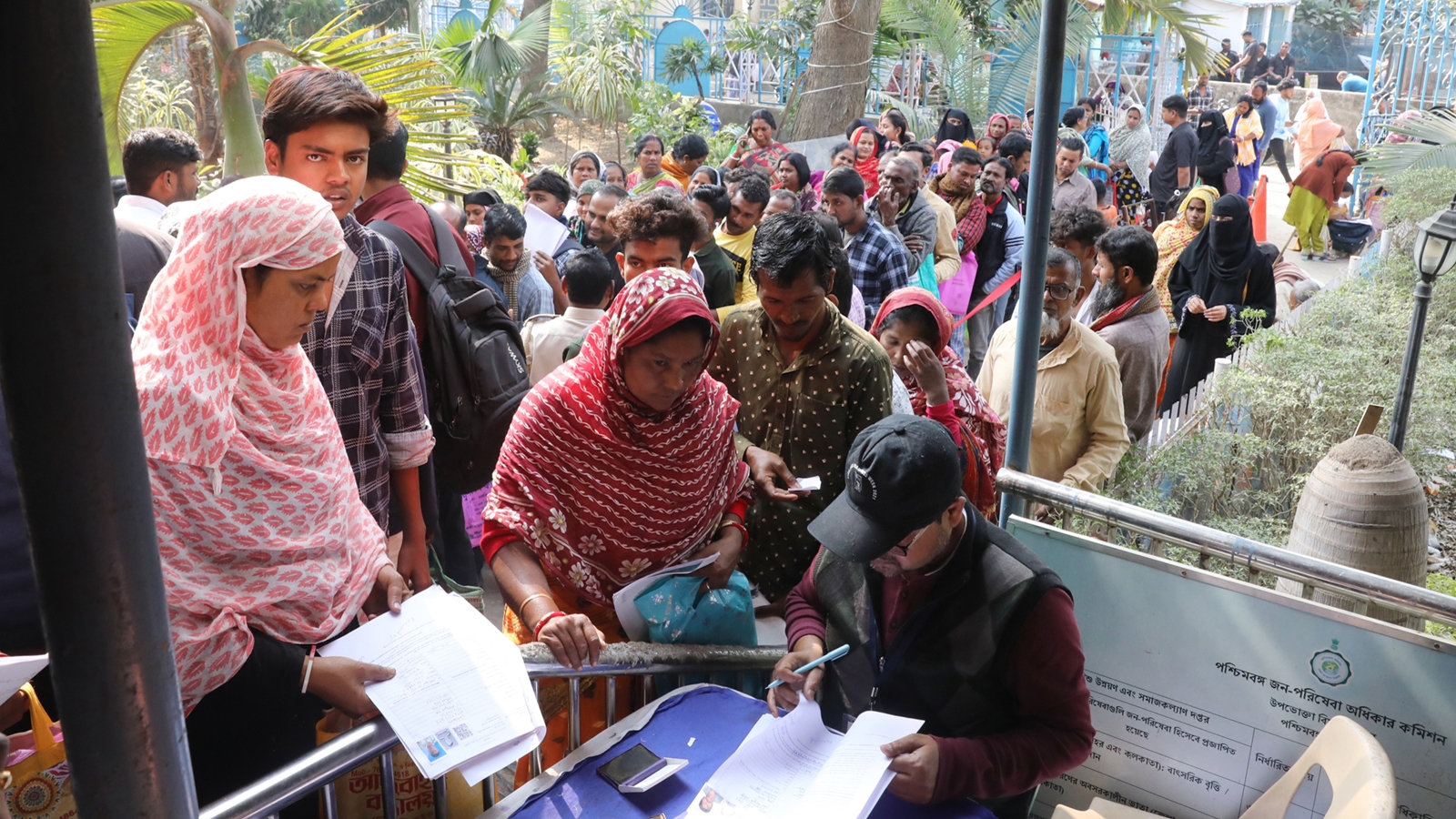
Voter Questions Burden of Proof in India’s SIR Revision

Election Commission Orders Drive for Voters Left Out After SIR
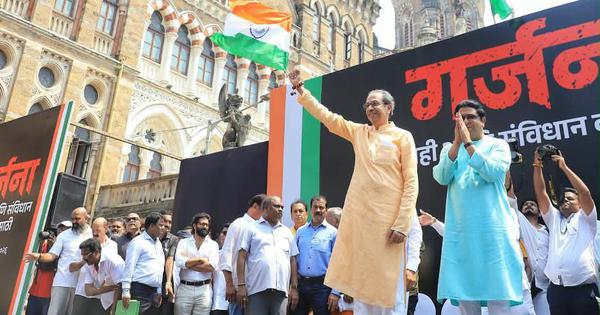
Raj Thackeray Demands Scrapping SIR, Return to Paper Ballots
Election Commission Rejects Misleading 13-Crore Voter Deletion Claim
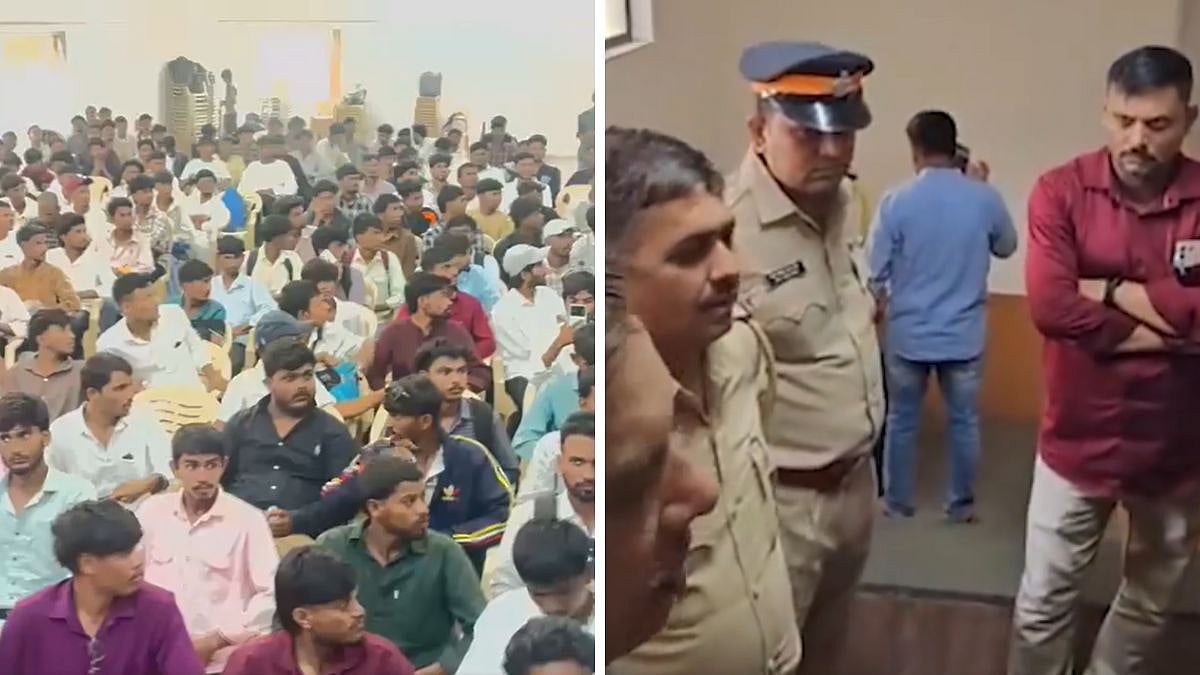
Congress Accuses Maharashtra Police of Detaining Tribal Students
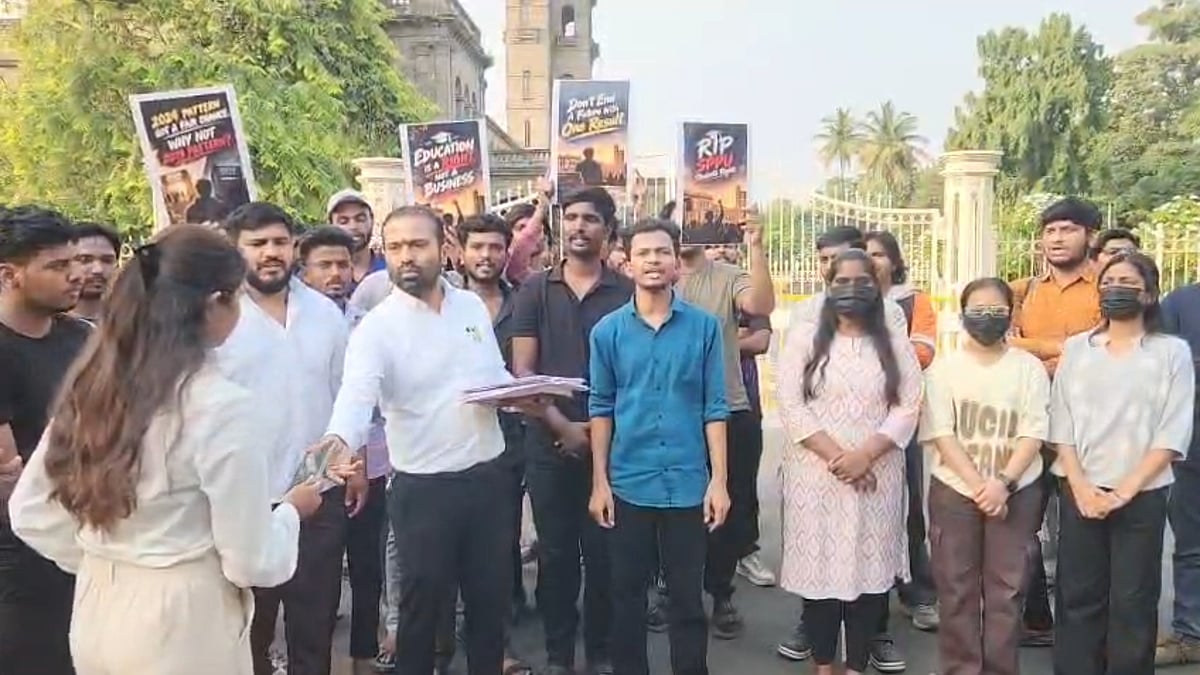
SPPU Students Seek One Final Exam Chance for 2019 Pattern
Noon Briefing Covers Plague Quarantine, Election Petitions and Business News

Fadnavis Uses ‘Ghajini’ Jibe in SIR Election Dispute