1 hr ago
Saudi Arabia and UAE Signal Possible Regional Rapprochement
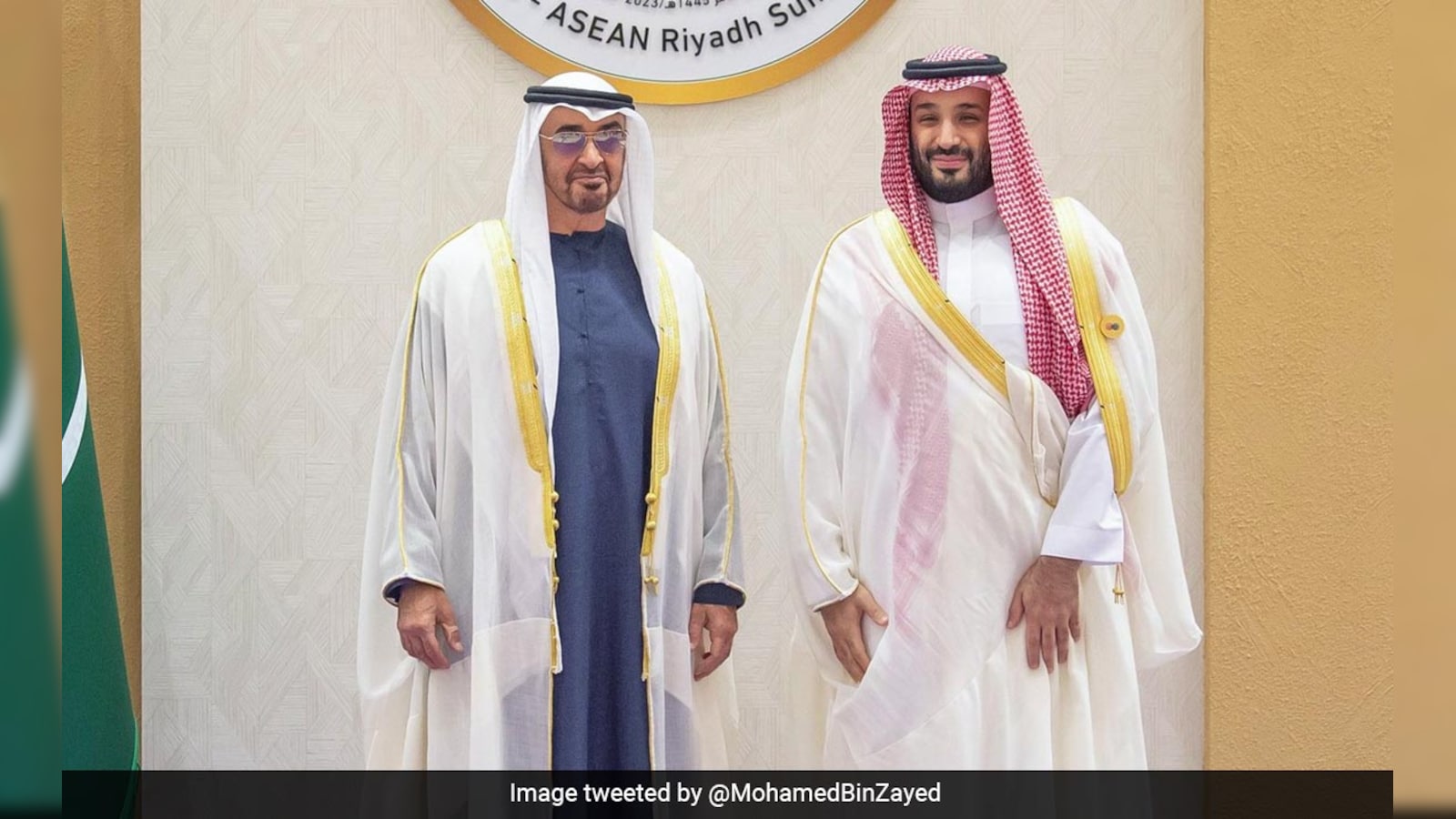
Saudi Arabia and the United Arab Emirates used to work closely on many regional issues.
Later, they disagreed about Yemen, Iran, Sudan and economic competition.
Saudi Arabia supported Yemen’s government, while the UAE supported a southern group.
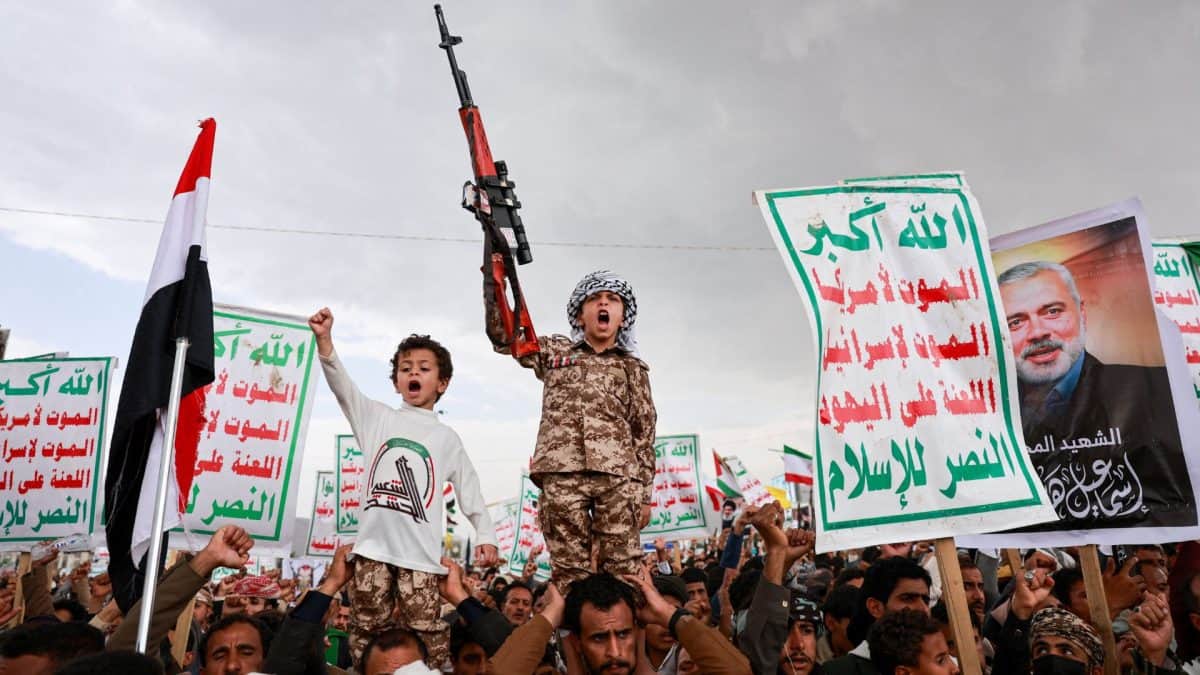
Both countries now face security concerns involving Iran and the Houthis.
A senior UAE official recently visited Saudi Arabia and met Crown Prince Mohammed bin Salman.
This has led some observers to think the countries may be rebuilding their partnership.
Saudi Arabia has also sought help from Pakistan, Turkey, the United States and China.
The article says Gulf cooperation could be more effective if Saudi Arabia and the UAE act together.
However, the meeting alone does not prove that all of their disagreements have ended.

A senior UAE delegation led by Mansour bin Zayed met Saudi Crown Prince Mohammed bin Salman in Saudi Arabia.
The meeting was presented as evidence of a continuing partnership, although the article notes past strains between Riyadh and Abu Dhabi.
Saudi Arabia and the UAE have supported different factions in Yemen, with Riyadh backing the government and Abu Dhabi supporting the Southern Transitional Council.
The article links the possible rapprochement to shared concerns about Iran, the Houthis, regional security and economic pressure.
The author suggests the UAE could help Saudi Arabia coordinate Gulf policy and potentially facilitate discreet cooperation with Israel.
- Who
- Saudi Crown Prince Mohammed bin Salman and UAE Vice President Mansour bin Zayed, supported by senior officials from both countries.
- What
- A high-level meeting that the article interprets as a possible Saudi-UAE rapprochement and renewed regional cooperation.
- Where
- Saudi Arabia, with related regional discussions involving the UAE and other countries.
- When
- Recently, with related outreach reported in July, August and on September 27; the article does not specify a year.
- Why
- To address shared concerns about Gulf security, Iran, the Houthis, regional instability and economic cooperation.
Case for rapprochement
Reasons for caution
Meaning of the high-level meeting
Case for rapprochement
The visit and recent messages between officials suggest Saudi Arabia and the UAE may be rebuilding their partnership around shared Gulf security concerns.
Reasons for caution
The meeting was described officially as part of regular political, economic and security exchanges, so it does not necessarily signal that earlier disputes have been resolved.
Cooperation over Yemen and regional threats
Case for rapprochement
Iranian and Houthi attacks could encourage Riyadh and Abu Dhabi to coordinate policies and strengthen joint Gulf action.
Reasons for caution
The countries previously pursued different goals in Yemen and have also disagreed over Iran, Sudan, Israel normalization and economic competition.
Potential Israeli cooperation
Case for rapprochement
The UAE could help facilitate Saudi access to Israeli intelligence or surveillance while allowing Riyadh to avoid formally joining the Abraham Accords.
Reasons for caution
Saudi Arabia has so far held back from normalizing ties with Israel and has instead sought assistance from Pakistan, Turkey, the United States and China.
Key facts
- Meeting participants
- Mansour bin Zayed met Saudi Crown Prince Mohammed bin Salman with a high-level delegation.
- Main disagreement
- Saudi Arabia and the UAE backed different factions during the Yemen conflict.
- Saudi position in Yemen
- Saudi Arabia supported the government of President Abdur Hadi Mansour.
- UAE position in Yemen
- The UAE supported the Southern Transitional Council.
- Shared security concerns
- The article identifies Iran, the Houthis and attacks on Gulf interests as common concerns.
- Saudi diplomatic efforts
- Saudi Arabia has sought regional security cooperation with Pakistan and Turkey, and assistance from the United States and China.
- Possible Israeli connection
- The article says the UAE could provide a diplomatic shield if Saudi Arabia seeks Israeli intelligence or surveillance cooperation without joining the Abraham Accords.
Quotes
Sheikh Abdulla Al Hamed
Chairman of Saudi Arabia's National Media Authority
“The attacks targeting the Gulf Co-operation Council states underscore that Gulf security and stability are indivisible … We are working with our brothers to safeguard Gulf security, pursue strategic co-operation and economic integration, and continue … strengthening joint Gulf action, in order to achieve the GCC's goals and meet the aspirations of its citizens.”
 NDTV
NDTV
“Emirati-Saudi relations are an extension of a shared history and deep-rooted fraternal ties between two brotherly peoples united by a single destiny.”
NDTV
Sources
Related news

Netanyahu’s Abu Dhabi Visit Tests Israel-UAE Strategic Partnership

Saudi Arabia Denies Representative Met Netanyahu in Abu Dhabi
Saudi Seeks Israeli Intelligence as Houthi Attacks Intensify

Iran and UAE Seek to Turn the Page After Delhi Talks

Why Saudi Allies Have Not Joined Fighting Against Houthis

Houthi Drone Attempt Near Mecca Draws UAE Condemnation

Manchester City Faces Major Penalties Over Alleged Financial Breaches

Manchester City Faces Uncertain Future After Financial Verdict

Manchester City Reportedly Found Guilty Of 114 Financial Breaches

Banijay and All3Media in merger talks