

3 hrs ago
Netanyahu’s Abu Dhabi Visit Tests Israel-UAE Strategic Partnership

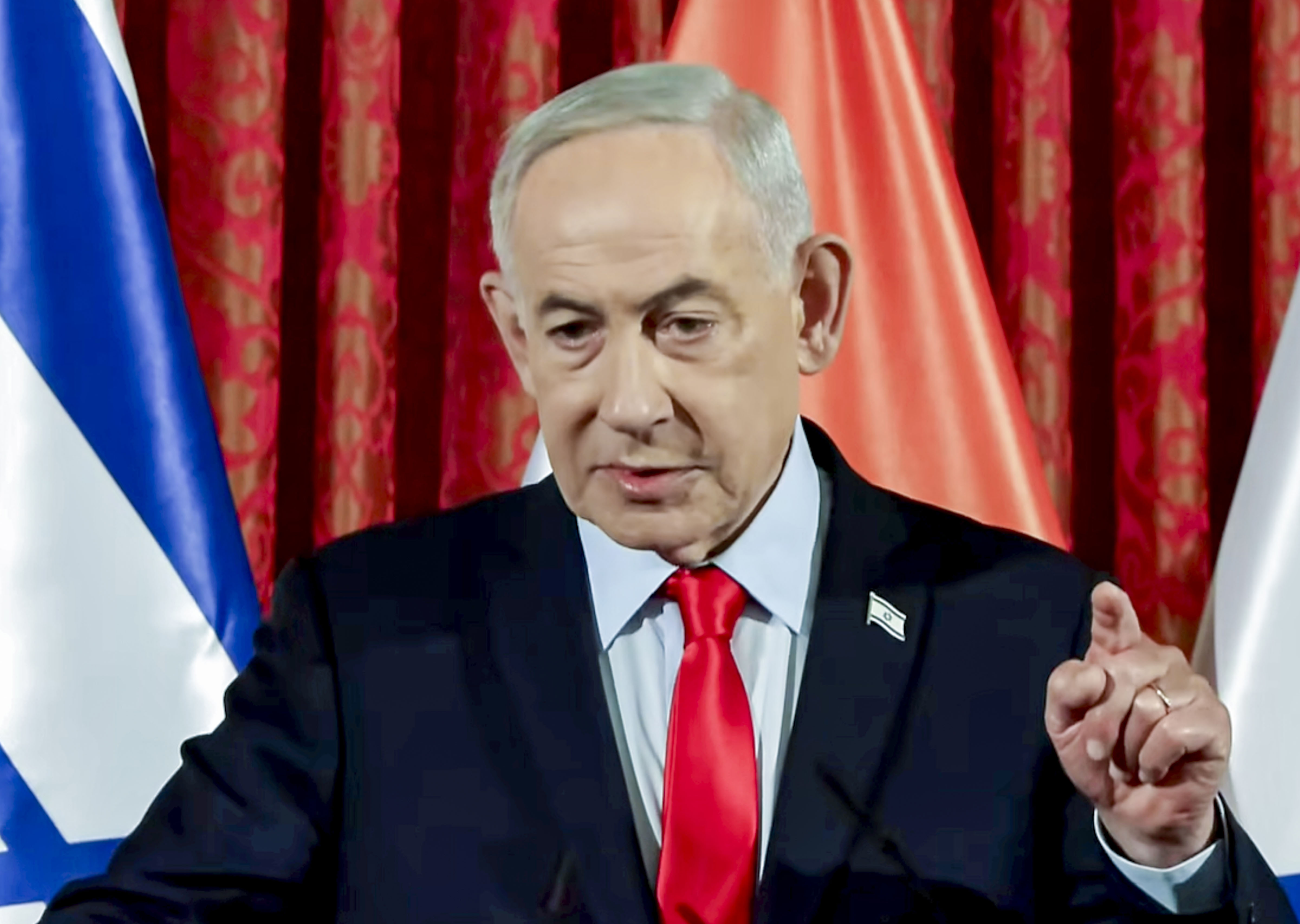
Benjamin Netanyahu, Israel’s prime minister, visited Abu Dhabi in the United Arab Emirates.
It was his second visit there since the war in West Asia began in late February.
Israel and the UAE became partners through an agreement called the Abraham Accords in 2020.
Since then, the two countries have usually worked together quietly rather than publicly.
The UAE wants strong defenses against missiles and drones.
Israel wants a close Arab partner and more support for its regional agreements.
Iran’s attacks on Gulf countries have made some governments question whether the United States can protect them alone.
The visit also happened while Israeli politics were focused on a disputed claim about whether the UAE warned Netanyahu before the Hamas attack on October 7, 2023.

Israeli Prime Minister Benjamin Netanyahu made his second visit to Abu Dhabi since the West Asia war began in late February.
Israel and the United Arab Emirates established ties through the Abraham Accords in September 2020, but public engagement has remained limited.
The visit comes amid shifting regional relations, including signs of improved UAE-Saudi ties and changing Iranian influence over the Strait of Hormuz.
Iranian drone and missile retaliation against Gulf countries, especially the UAE, has highlighted limits to reliance on the United States security umbrella.
Netanyahu has denied reports that UAE President Sheikh Mohamed bin Zayed Al Nahyan warned him of an impending Hamas attack before October 7, 2023.
- Who
- Israeli Prime Minister Benjamin Netanyahu and UAE President Sheikh Mohamed bin Zayed Al Nahyan are central to the developments.
- What
- Netanyahu made a surprise visit to Abu Dhabi amid closer strategic cooperation, regional tensions and a political dispute over an alleged warning before the October 7, 2023, Hamas attack.
- Where
- Abu Dhabi, United Arab Emirates, and the wider Gulf region.
- When
- The visit occurred recently, after the West Asia war began in late February; the Abraham Accords were signed in September 2020.
- Why
- The relationship is driven by concerns about Iran, the UAE’s need for air-defense capabilities and Israel’s interest in strategic and diplomatic support.
Reported Warning
Netanyahu’s Denial
Whether the UAE warned Israel before October 7
Reported Warning
Reports cited in Israel say UAE President Sheikh Mohamed bin Zayed Al Nahyan warned Netanyahu of an impending Hamas attack days before October 7, 2023.
Netanyahu’s Denial
Netanyahu has denied that the UAE president gave him such a warning.
Key facts
- Israel-UAE agreement
- The Abraham Accords were signed in September 2020.
- Netanyahu’s visit
- It was his second visit to Abu Dhabi since the West Asia war began in late February.
- Regional relationship
- The UAE and Saudi Arabia have shown signs of a thaw after recent economic and geopolitical competition.
- Security concerns
- Iranian drones and missiles hit Gulf countries, with the UAE described as the hardest hit.
- UAE defenses
- The UAE acquired air-defense systems and counter-drone capabilities from Israel.
- Political dispute
- Reports claimed Sheikh Mohamed bin Zayed warned Netanyahu of an impending Hamas attack before October 7, 2023; Netanyahu denied the claim.
- Iranian oil leverage
- Iranian Parliament Speaker Mohammad Bagher Ghalibaf said countries that do not sell oil should prevent others from selling it.
Quotes

Mohammad Bagher Ghalibaf
Speaker of Iran’s Parliament
“Where we do not sell oil, no one will sell oil.”
 indianexpress.com
Sources
Related news
Netanyahu Makes Unannounced UAE Visit Amid Disputed Hamas Warning

Netanyahu’s Secret UAE Visit Raises October 7 Questions

Saudi Arabia Denies Representative Met Netanyahu in Abu Dhabi

Iran and UAE Seek to Turn the Page After Delhi Talks

Report Says Netanyahu Ignored Warnings Before Hamas’s October 7 Attack

Trump Denies Iran Sanctions Offer Amid Global Conflicts

IDF Video Alleges Child Used to Move Weapons

Israeli Strikes Kill Five Palestinians as Gaza Ceasefire Stalls

Israel Defence Minister Threatens Hamas Leaders Abroad Amid Gaza War
Google Satellite Images Reveal Gaza’s Destruction After Nearly Three Years
