1 hr ago
Smart Play Uses AI to Measure Mind and Body
New technology is being used to study how people play, not just whether they win.
CircleChess and NeuroStellar are testing this idea with chess players.
NeuroStellar’s Orbit headband records brain-related signals during short sessions.
It then creates a report about things such as focus and mental endurance.
AI chess systems can also study moves and point out repeated mistakes.
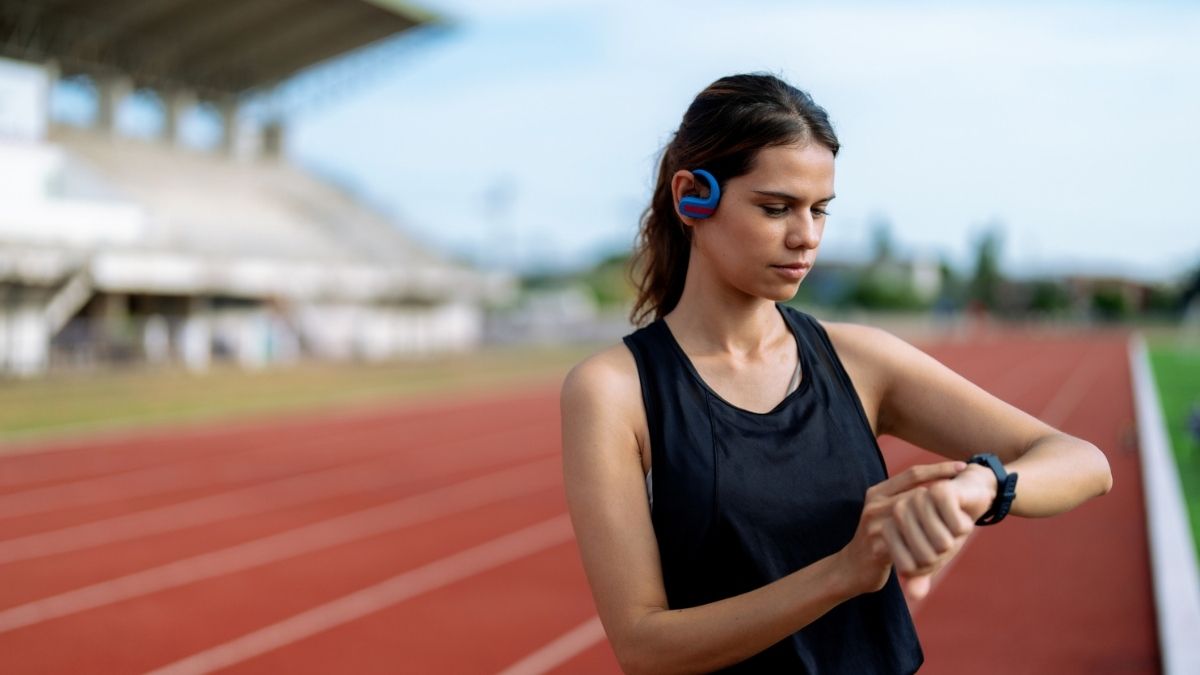
In sports, wearable devices measure things like heart rate, sleep, running distance, and workload.
Coaches can use this information to plan training and reduce the risk of injuries.
However, having lots of data does not always make someone perform better.
People must make sure the data is accurate, private, and turned into advice that is genuinely useful.

CircleChess and NeuroStellar have partnered through the “Battle of Brains” initiative to combine chess with wearable neurotechnology.
NeuroStellar’s Orbit headband analyzes 10–15-minute sessions and produces cognitive reports focused on areas such as concentration and endurance.
AI-powered chess tools can recognize moves, analyze games, identify recurring mistakes, and adapt computer opponents to player ability.
Sports wearables, including Whoop 4.0 and Catapult One Vests, track measures such as recovery, sleep, distance, sprint speed, and workload.
Experts and users must still consider data accuracy, privacy, information overload, and the importance of preserving human judgment.
- Who
- CircleChess, NeuroStellar, chess players, athletes, coaches, and technology developers are involved.
- What
- A partnership is combining competitive chess with NeuroStellar’s Orbit cognitive-monitoring headband, within a broader trend toward AI-assisted analysis of play and sports performance.
- Where
- The initiative is presented in connection with India’s chess-training sector, while the broader applications involve chess environments and sports training settings.
- When
- The partnership is described as recent; no specific date is given.
- Why
- The goal is to understand how people focus, think, train, fatigue, and make decisions, rather than measuring only scores or results.
Technology’s Potential
Technology’s Limits and Risks
Performance improvement
Technology’s Potential
Cognitive reports and AI analysis could help players understand concentration, decision-making, fatigue, and recurring mistakes.
Technology’s Limits and Risks
More metrics do not automatically improve performance and may overwhelm players or coaches.
Training and injury prevention
Technology’s Potential
Wearables can help coaches tailor training by identifying patterns linked to workload, fatigue, recovery, and performance.
Technology’s Limits and Risks
The usefulness of these recommendations depends on accurate data and the ability to turn large datasets into practical advice.
Data collection
Technology’s Potential
Combining information about moves, behavior, movement, and physiology could reveal how the mind and body affect play.
Technology’s Limits and Risks
Sensitive cognitive and physiological data raises questions about privacy, storage, use, and maintaining the human element of games.
Key facts
- Partnership
- CircleChess and NeuroStellar
- Initiative
- “Battle of Brains”
- Device
- Orbit smart headband
- Session length
- Orbit is designed to analyze 10–15-minute sessions.
- Chess applications
- Move recognition, game analysis, adaptive computer opponents, and mistake identification
- Sports examples
- Whoop 4.0 and Catapult One Vests
- Key concerns
- Accuracy, privacy, data storage, information overload, and preserving human judgment
Sources
Related news
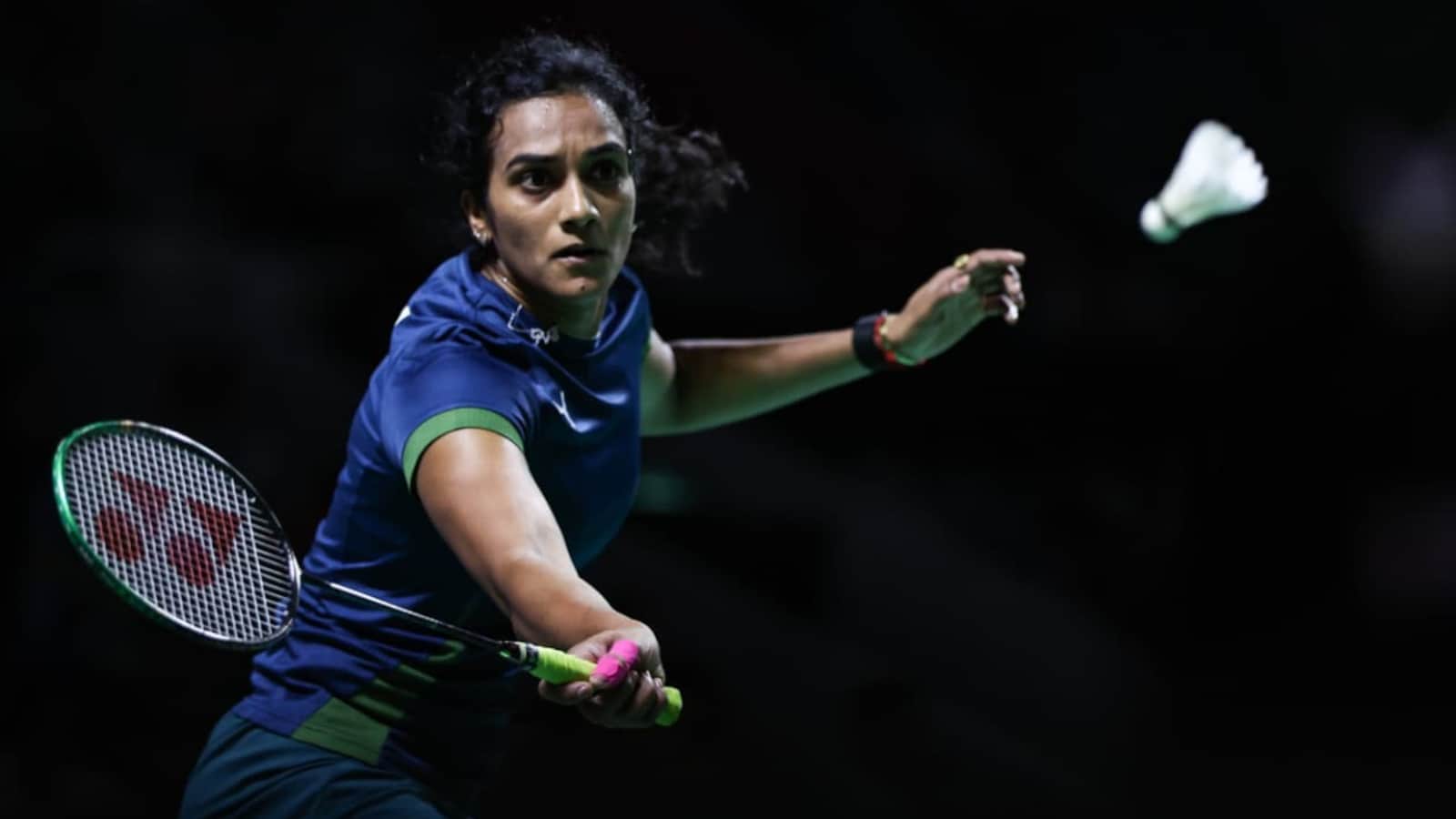
PV Sindhu’s Brain Wearable Tracks Cognitive Workload

PV Sindhu's 'Temple' Head Device Developed by Zomato Founder

Indian Athletes Use Smart Track Ahead of Asian Games

Why Oura and Whoop Could Be IPO Winners

Chess Prodigy Urges Humans To Stay In Charge Of AI