3 weeks ago
Indigenous Elephant Tracking Collars Replace African Collars in Hassan
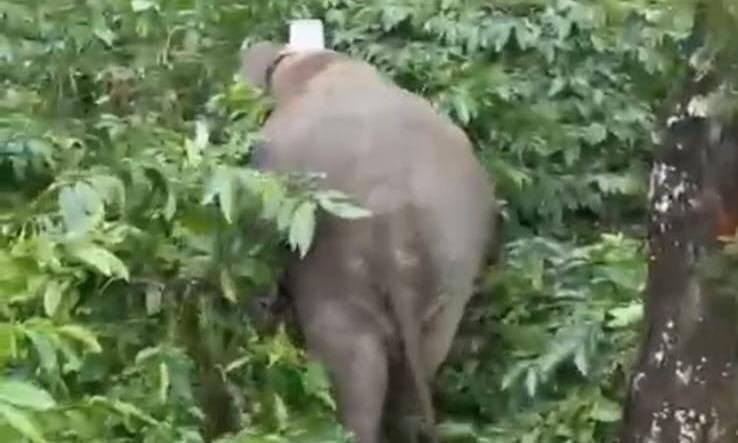
Sometimes elephants wander out of forests and into villages, which can be dangerous for people.
To keep everyone safe, forest rangers put special collars on elephants so they can follow where they go.
Before, India used collars made in Africa, but they were very expensive and one of them stopped working well.
So, clever people in India built their own collars called KP collars.
These new collars cost less than half the price of the African ones.
They have a new radio feature that lets rangers find an elephant from about one kilometer away using a small handheld device.
The new collars are built in detachable parts, so the batteries can be changed when they run out.
The information collected is kept safely on the Forest Department's own computers inside India.
Two elephants got the new collars in April, and one more elephant got one on Monday.
Officials are testing the collars carefully to make sure they work well.

Indigenously built 'KP collars' (Karnataka-Patented Tracking Devices) are replacing African wildlife tracking collars used to track elephant movements in Hassan.
The collars were fitted to two elephants in April and a lone matriarch elephant on Monday in the Belur range as a man-elephant mitigation measure.
The indigenous collars cost Rs 2.8 lakh each, compared with Rs 6 lakh for African wildlife tracking collars.
The KP collars add Ultra High Frequency (UHF) tracking, allowing signals to be received with a handheld remote within a 1-km radius, and have replaceable modular batteries.
Collected data is stored securely on Forest Department servers within India; the collars are on a trial basis, with one collar having developed a data error.
- Who
- Karnataka Forest Department officials, including Deputy Conservator of Forests (DCF) Saurabh Kumar, and Infiction Labs CTO Gurudeepa G.
- What
- Indigenously manufactured KP radio-collars replaced African wildlife tracking collars to track elephant movements in Hassan.
- Where
- Belur range in the Hassan district of Karnataka, India.
- When
- Two elephants were fitted with the collars in April and a lone matriarch elephant was fitted on Monday.
- Why
- As a man-elephant mitigation measure, since African collars were costlier and a previously fitted one did not function as expected.
Key facts
- Device
- KP collars (Karnataka-Patented Tracking Devices)
- Purpose
- Track elephant movements and mitigate man-elephant conflict
- Cost per collar
- Rs 2.8 lakh (indigenous) vs Rs 6 lakh (African)
- New feature
- Ultra High Frequency (UHF); handheld remote tracking up to a 1-km radius
- Battery
- Modular and replaceable, unlike sealed batteries in African collars
- Data storage
- Forest Department servers within India
- Elephants fitted
- Two in April and one lone matriarch elephant on Monday
- Trial status
- Trial basis; one collar developed a data error, the other works efficiently
Quotes
Saurabh Kumar
Forestry official speaking on the trial KP collars
“An African wildlife tracking collars costs Rs 6 lakh while the indigenous made collars are available at Rs 2.8 lakh per piece including a new feature Ultra High Frequency (UHF) in them.”
 deccanchronicle.com
Sources
Related news

Indigenous radio collar fitted to Bhuvaneshwari herd elephant in Hassan
Kuno Cheetah Nirva Found After Twelve Days Missing

Kuno’s Future Cheetahs May Roam Without Radio Collars

Similipal Plans Radio Collar Removal for Tigress Zeenat

Pawan Kalyan orders drone surveillance for wild elephants near Tirupati

AI System 'Gajraj' Alerts Train Drivers to Elephants on Tracks

Three Karnataka Sub-Inspectors Suspended Over Alleged Bribe-for-Post Call

Biaora Bus Crash Kills Four, Injures Twelve

Karnataka Police to Receive 50% Hardship Allowance Hike
Mysuru Dasara Elephants Lose Insurance as Staff Cover Surges

Karnataka CID Summons Suspended KPSC Chief in Veterinary Recruitment Probe