2 hrs ago
Howrah Family Preserves Its 300-Year-Old Abhaya Durga Puja
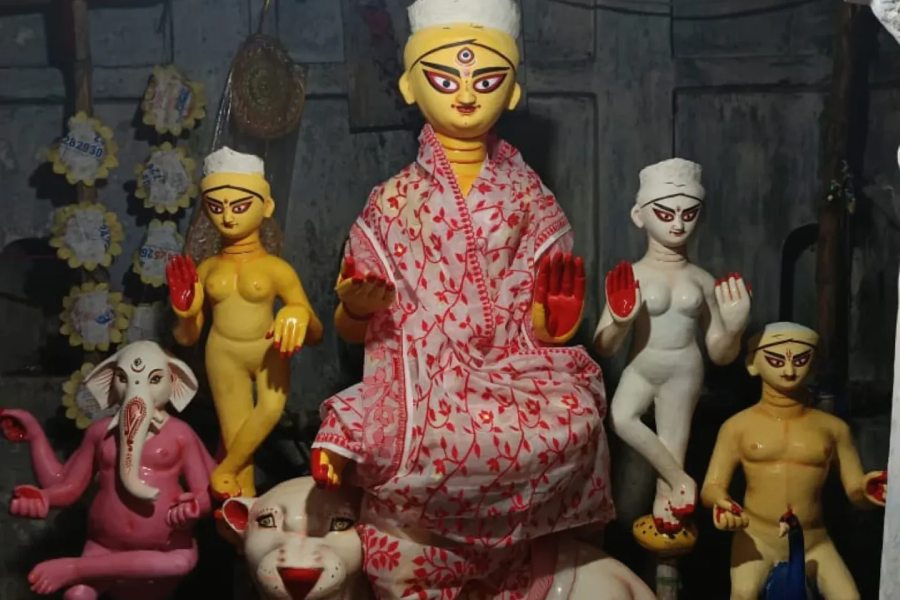
The Paul family in Howrah has held a Durga Puja for about 300 years.
The family says this age comes from oral history, because there is no document proving the exact starting year.
Their Durga statue is unusual because it has two arms instead of ten.
The goddess is shown riding a lion and offering protection.
The statue is made inside the family home.
The celebration includes several old Bengali and Shakta rituals.
A buffalo and goat sacrifice on Nabami is reported to continue today.
However, the family says old records do not prove that every past ritual is still performed exactly as before.

The Paul family’s Durga Puja in Shibpur, Howrah, is believed to be around 300 years old, though no definitive founding document exists.
The goddess is worshipped in the rare Abhaya form as a peaceful, two-armed figure riding a lion without Mahishasura.
The idol is prepared inside the family’s thakurdalan, beginning with Kathamo Puja on Rath Yatra.
The household follows distinctive rituals, including Krishna Navami bodhan, Shakta traditions, Sandhi Puja, and Nabapatrika bathing on the premises.
The family says buffalo and goat sacrifice on Nabami remains part of the present-day ritual, while cautioning that older customs may not all continue unchanged.
- Who
- The Paul family, associated with the lineage of pharmacist B.K. Paul, also known as Butto Kristo Paul or Bata Krishna Paul.
- What
- A centuries-old family Durga Puja featuring a distinctive two-armed Abhaya idol and longstanding rituals.
- Where
- The Paul family’s ancestral home in Shibpur, Howrah, near the Hooghly River.
- When
- The Puja is believed to be around 300 years old and is still observed in 2026.
- Why
- The family continues the Puja to preserve its ancestral religious traditions and customs.
Key facts
- Tradition
- Believed to be around 300 years old, based on oral history and family lineage.
- Location
- The Paul ancestral home in Shibpur, Howrah.
- Idol form
- A two-armed Abhaya Durga riding a lion and without Mahishasura.
- Idol preparation
- The idol is traditionally made inside the family’s thakurdalan after Kathamo Puja on Rath Yatra.
- Distinctive rituals
- Krishna Navami bodhan, Shakta practices, Tantric influences in Sandhi Puja, and on-premises Nabapatrika bathing.
- Offerings
- Luchi, sweets, and fruits are traditionally offered instead of a rice-based offering.
- Sacrifice
- The family says buffalo and goat sacrifice on Nabami continues, while acknowledging uncertainty about the continuity of all older practices.
Quotes
Pratyay Paul
Sixth-generation member of B.K. Paul’s family
“The Durga Puja at the Paul family’s ancestral home in Shibpur is believed to be around 300 years old, or even older. However, there is no definitive written evidence establishing the exact year in which the Puja began.”
 telegraphindia.com
“The goddess is not accompanied by Mahishasura, and she is depicted riding a lion. This two-armed form makes the idol particularly distinctive among Bengal’s traditional bonedi household Durga Pujas.”
telegraphindia.com
Sources
Related news
Durga Puja Debate Intensifies Under West Bengal’s New BJP Government

Bengal Temples Preserve Durga’s 12- to 18-Armed Forms
Bengal’s Durga Puja Draws Food and Political Battles

Bengal Minister Defends Local Food Traditions During Durga Puja
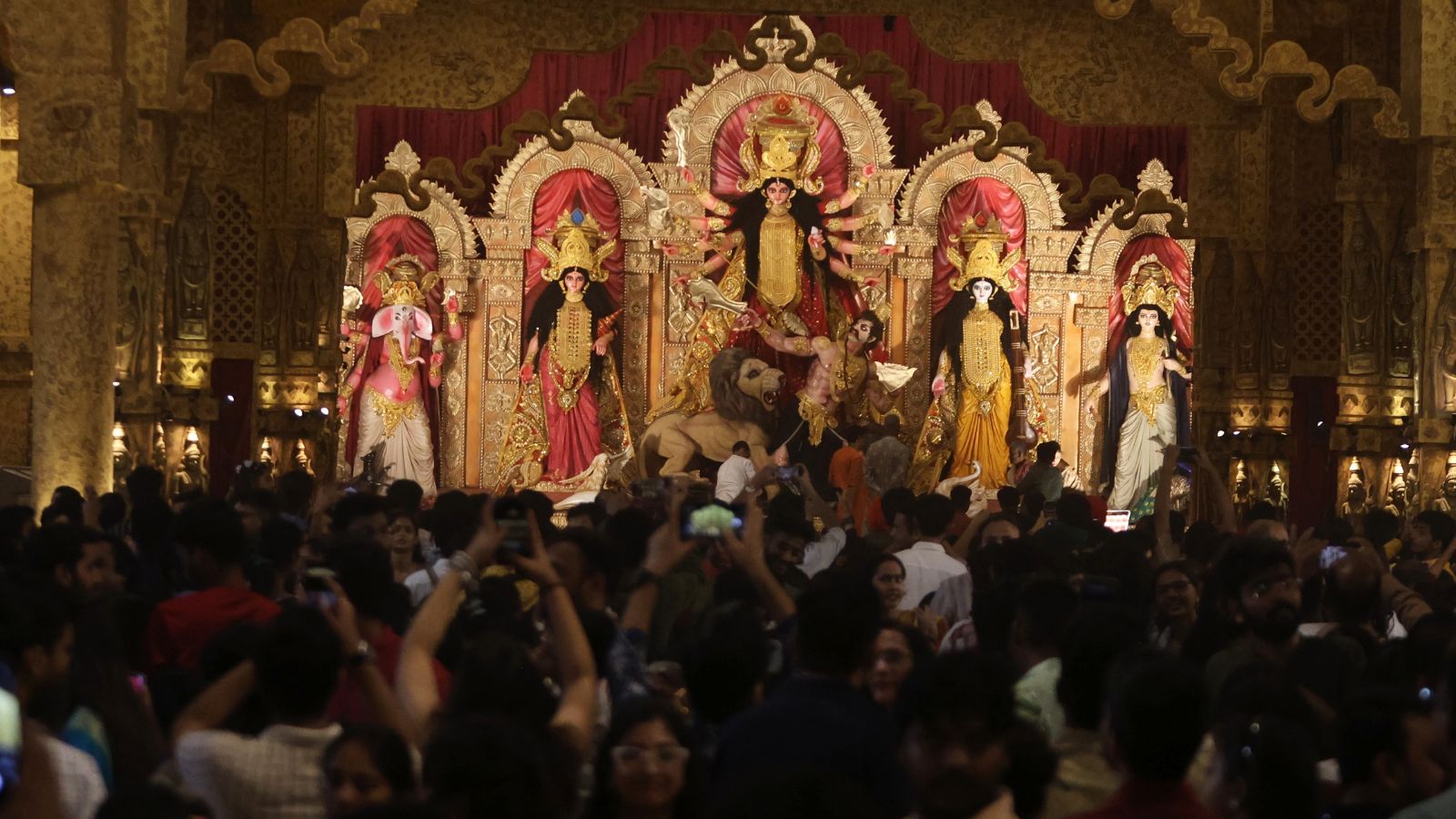
Durga Puja Exposes BJP’s Two Faces on Faith
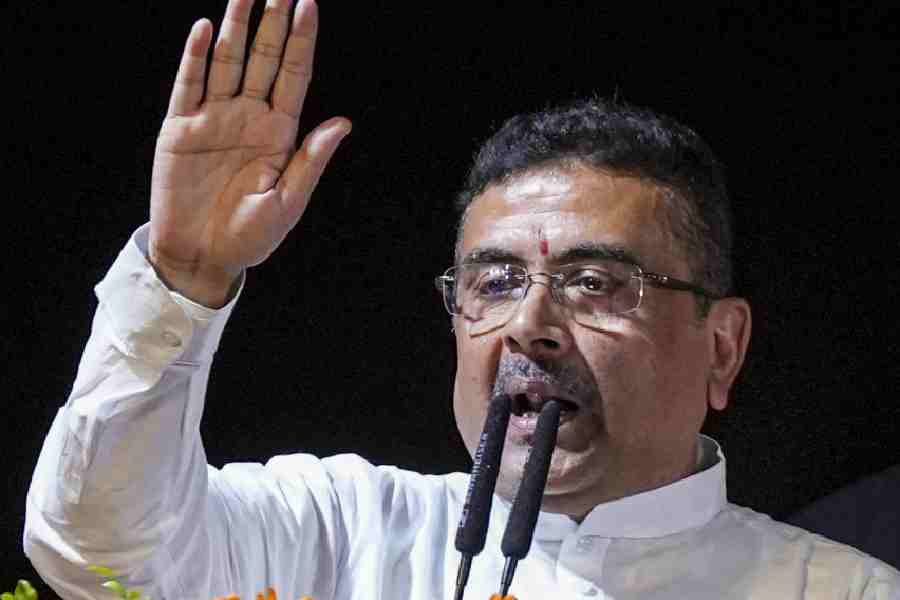
West Bengal Rebrands Sabuj Sathi, Promises Cycles for Students
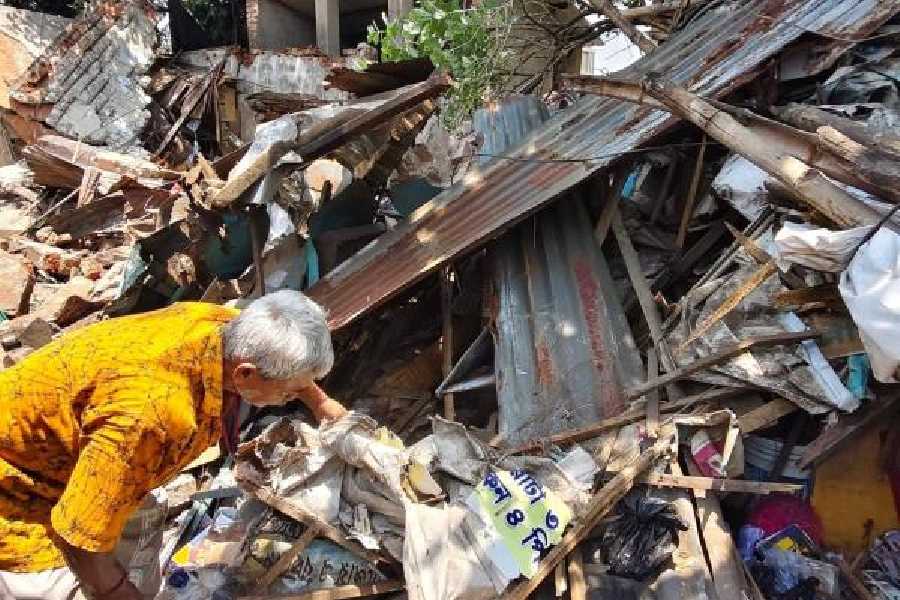
West Bengal's Vendor Drives Defy Street Vending Law
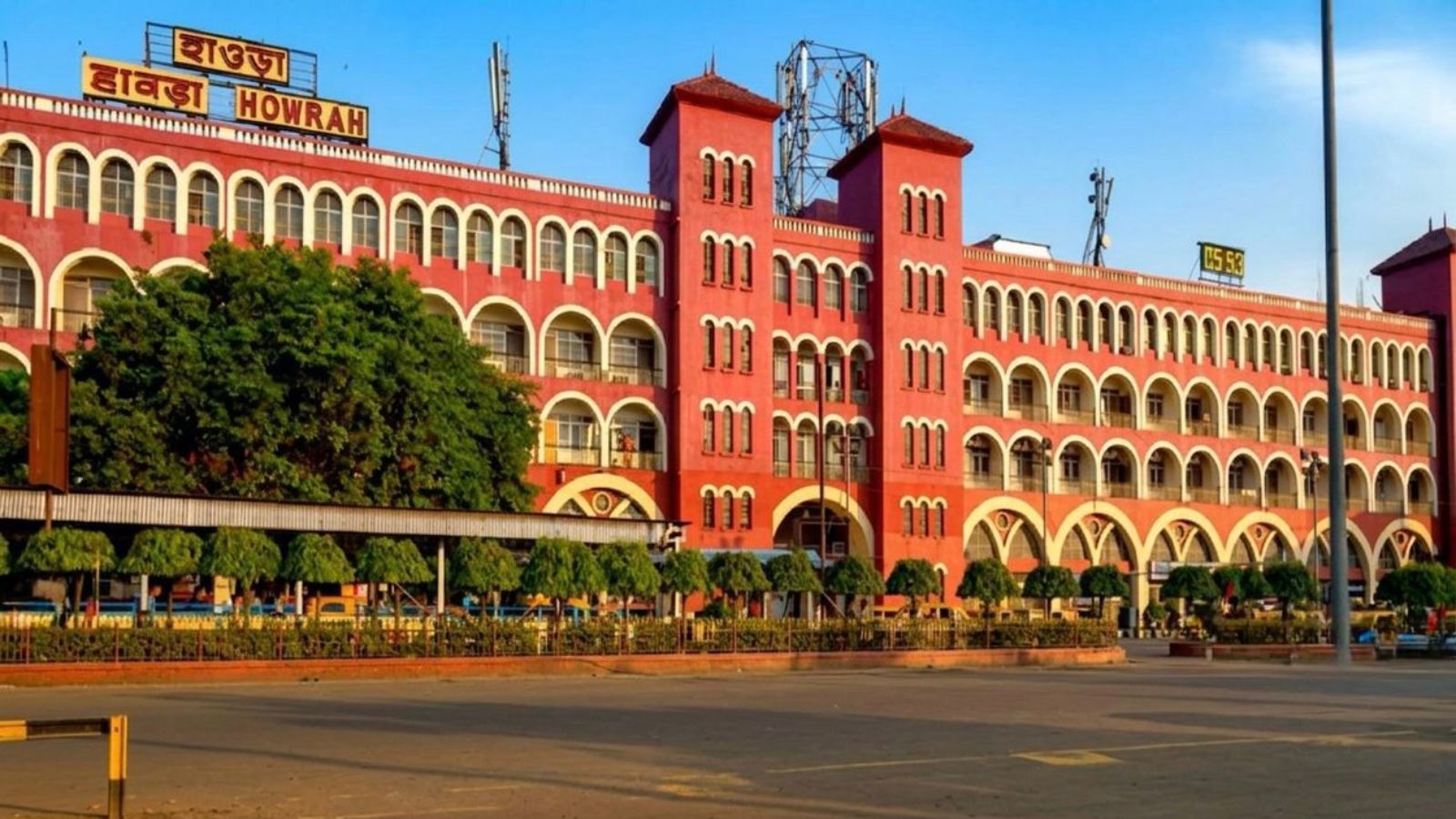
Howrah Station Area Planned for Skywalk, Subways and Hub
Manipal Hospital Launches Sunday OPDs for Easier Healthcare Access