

1 hr ago
EU Proposes Canada Become Bloc’s First Associate Member
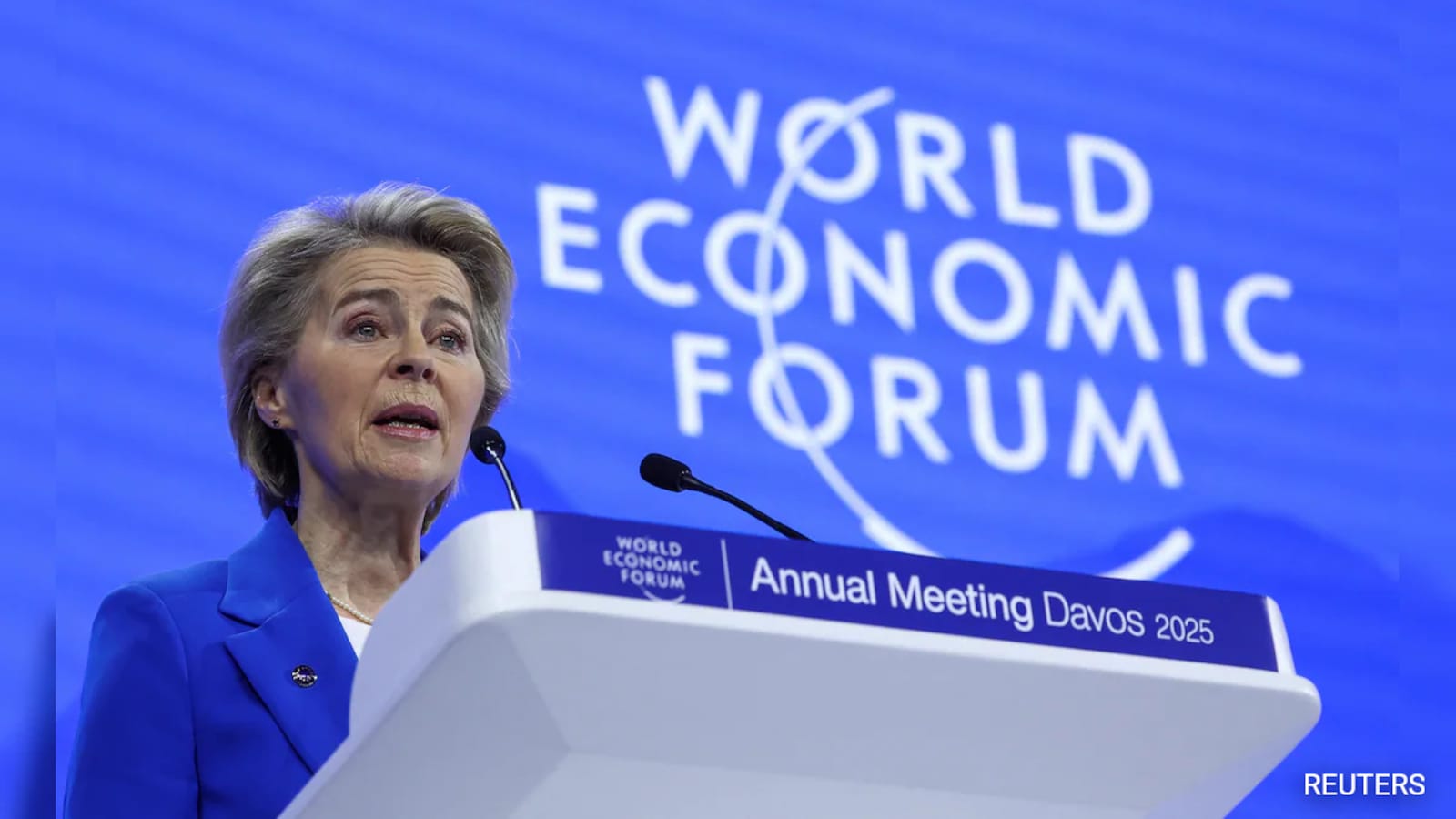
The European Union wants to build a much closer relationship with Canada.
Ursula von der Leyen suggested that Canada could become the EU’s first associate member.
This would not be the same as becoming a full EU member.
The exact meaning of associate membership has not yet been decided.
Canada and the EU could work more closely on technology, defence, energy, minerals and the Arctic.
Canada’s prime minister has asked for a special alliance, but not full membership.
EU countries would have to approve any new arrangement.
Some officials support closer cooperation, while others say the plan is unclear or could be legally difficult.
The idea is partly a response to tensions involving the United States, China and global trade rules.

European Commission President Ursula von der Leyen proposed opening the door for Canada to become the European Union’s first associate member.
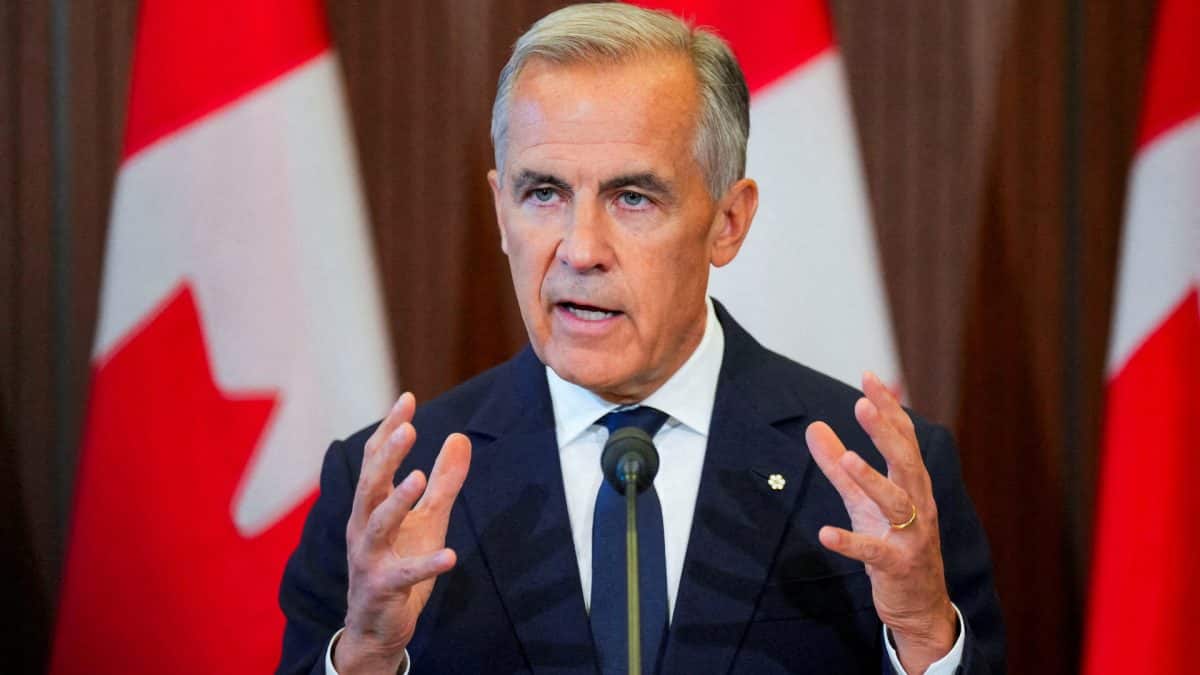
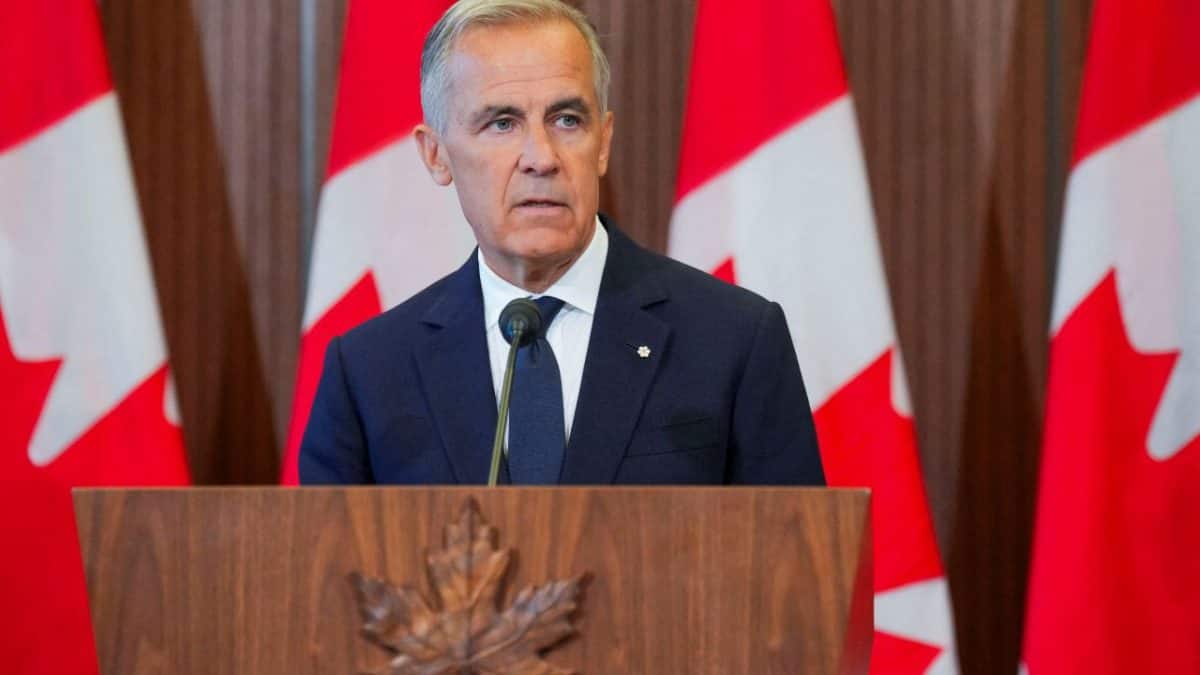
Canadian Prime Minister Mark Carney has sought a closer alliance with the EU but said Canada is not seeking full membership.
The proposed partnership could cover technology, artificial intelligence, energy, critical minerals, defence, manufacturing and Arctic cooperation.
The EU treaties do not define associate membership, meaning the proposal could face legal and political obstacles and would require approval from member states.
The initiative comes as Canada and the EU seek stronger ties amid tensions with the United States, competition from China and concerns about the rules-based international order.
- Who
- European Commission President Ursula von der Leyen proposed the idea to Canadian Prime Minister Mark Carney, with EU member states ultimately responsible for approving it.
- What
- The European Union is considering a new associate-member relationship with Canada, potentially creating deeper cooperation without full EU membership.
- Where
- The proposal was made in the European Parliament in Strasbourg.
- When
- Von der Leyen made the proposal on Wednesday, September 16; more detailed discussions were expected at a Canada-EU summit in Montreal in late October.
- Why
- The EU and Canada want to strengthen their economic, security and democratic partnership amid tensions with the United States, competition from China and threats to the rules-based international order.
Supporters of Closer Partnership
Skeptics and Legal Critics
Strategic cooperation
Supporters of Closer Partnership
Supporters say Canada and the EU share democratic values, strategic interests and concerns about economic pressure, security threats and the weakening rules-based order.
Skeptics and Legal Critics
Critics question whether the proposal has a clear purpose, with one EU diplomat saying its meaning is not yet understood.
Meaning of associate membership
Supporters of Closer Partnership
Supporters envision a broad alliance covering trade, technology, defence, energy, critical minerals, AI and the Arctic without requiring Canada to become a full member.
Skeptics and Legal Critics
Skeptics note that associate membership has no existing treaty basis and could be legally complex; EU countries would need to approve any arrangement.
Fairness and market access
Supporters of Closer Partnership
Supporters see a special partnership as a way to deepen ties while preserving Canada’s separate status and expanding cooperation beyond trade.
Skeptics and Legal Critics
Critics warn Canada could receive perceived special treatment compared with European candidate countries, while joining the EU Single Market would require accepting EU rules without voting rights.
Key facts
- Proposed status
- Canada would become the European Union’s first associate member.
- Current position
- Canada is seeking a unique alliance with the EU, not full membership.
- Legal status
- Associate membership is not defined in the EU treaties.
- Possible cooperation
- Technology, artificial intelligence, energy, critical minerals, manufacturing, defence and Arctic projects.
- Approval
- EU member states would have to decide whether the proposal proceeds.
- Existing agreement
- Canada and the EU already have the Comprehensive Economic and Trade Agreement, or CETA.
- Upcoming meeting
- More detailed discussions were expected at a Canada-EU summit in Montreal in late October.
Quotes

Ursula von der Leyen
President of the European Commission
“We will work on intelligent manufacturing. We will create a tech alliance. We will integrate defence industrial bases. We will make the Arctic a flagship joint project,”
 theprint.in
 NDTV
NDTV
“I said we must urgently reimagine our partnerships. So, I would like to work with you on opening the door for Canada to be the first associate member of the EU,”
theprint.in
NDTV
Sources
Related news

EU Invites Canada to Become Its First Associate Member
Canada Explores EU Associate Membership Amid US Trade Dispute
Canada Seeks Unique EU Alliance Amid Escalating US Trade War
Canada Plans Trade Diversification Amid Trump's Tariff Escalation

Von der Leyen to Urge EU Solidarity and Canada Ties

Canada Explores EU Associate Status Amid US Trade War
EU to propose emergency framework for weaponised migrant flows
Study Says Europeans Lose Purchasing Power Keeping Money In Banks

India Moves to Overcome EU Carbon Border Verifier Shortage

Leather Stocks Slide as Export Concerns and FTA Delay Weigh
