1 week ago
Dollar Falls as Treasury Buyback Concerns Pressure Currency

The U.S. dollar became weaker against the euro.
Investors were worried that the U.S. government’s plan to buy back more long-term debt could hurt confidence in the dollar.
The plan was intended to keep government borrowing costs lower, but long-term Treasury yields still rose.
Some traders are also worried about U.S. government finances and the Federal Reserve’s next moves.
Kevin Warsh will speak at a Federal Reserve meeting in Jackson Hole next week.
His comments could affect expectations about U.S. interest rates.
Japan’s currency, the yen, became slightly stronger after inflation increased.
Higher inflation may make a Bank of Japan rate increase more likely.

The dollar fell to a three-month low against the euro as concerns grew over expanded U.S. Treasury buybacks.
Treasury Secretary Scott Bessent said the government may increase repurchases of longer-dated debt beyond its planned expansion.
The 30-year U.S. Treasury yield reached its highest level since 2007 despite efforts to contain borrowing costs.
Investors are watching Federal Reserve Chairman Kevin Warsh’s Jackson Hole speech for clues about inflation and interest rates.
The yen strengthened after Japanese core inflation accelerated in July, supporting expectations of a possible Bank of Japan rate hike.
- Who
- The U.S. Treasury, Treasury Secretary Scott Bessent, Federal Reserve Chairman Kevin Warsh, the Bank of Japan, and currency investors are central to the report.
- What
- The dollar declined to a three-month low against the euro while the yen strengthened after Japanese inflation accelerated.
- Where
- In global currency and government-bond markets, with attention on U.S. Treasuries, Japan, and the Federal Reserve’s Jackson Hole symposium.
- When
- Friday, August 21; Warsh is scheduled to speak the following Friday, and the Bank of Japan’s next policy meeting is September 17-18.
- Why
- Investors were concerned that expanded Treasury buybacks could shift fiscal concerns onto the dollar, while stronger Japanese inflation supported expectations of a possible Bank of Japan rate hike.
Treasury Strategy Supporters
Market Critics
Purpose of the buybacks
Treasury Strategy Supporters
The U.S. Treasury’s expanded repurchases are intended to rein in yields on longer-dated government debt.
Market Critics
Critics argue that the strategy has not achieved its main goal because long-term yields have climbed again.
Effect on the dollar
Treasury Strategy Supporters
Holding down Treasury yields could help limit borrowing-cost pressures in bond markets.
Market Critics
Analysts say suppressing yields may shift concerns about U.S. fiscal conditions onto the dollar and weaken the currency.
Federal Reserve outlook
Treasury Strategy Supporters
A hawkish clarification from Kevin Warsh on inflation credibility could provide some support for the dollar.
Market Critics
Analysts at TD Securities said that unclear or insufficient attention to inflation credibility could weigh more materially on the dollar.
Key facts
- Dollar index
- Rose 0.01% to 98.80, despite the dollar reaching a three-month low against the euro.
- Euro
- Rose 0.03% to $1.1682 after reaching $1.1711, its highest level since May 14.
- Treasury buybacks
- The Treasury said it would at least double buybacks of longer-dated debt and may expand them further.
- 30-year Treasury yield
- Reached its highest level since 2007 during the week.
- September rate hike odds
- Fed funds futures traders were pricing in a 40% chance of a September rate hike and 72% for December.
- Japanese yen
- Strengthened 0.02% to 159.01 per dollar after core consumer inflation accelerated in July.
- Bank of Japan meeting
- The next policy meeting is scheduled for September 17 and 18.
Quotes

TD Securities analysts
Analysts at TD Securities commenting on risks around the Federal Reserve chairman’s Jackson Hole speech
“Bessent’s efforts to suppress U.S. yields haven't done much for U.S. yields, but it's undermined the dollar. The market is pushing back.”
 livemint.com
“USD risks are skewed modestly to the downside”
livemint.com
Roosevelt Bowman
Senior investment strategist at Bernstein Private Wealth
“The yen is certainly salvageable, but it's not a one-way train.”
livemint.com
Sources
Related news

Dollar Rebounds as Markets Challenge Treasury Bond Buyback Plan

Dollar Falls as Treasury Doubles Bond Buyback Programme

Dollar Steady as Markets Await Warsh’s Jackson Hole Speech
US $40 Trillion Debt Raises Global Bond Market Fears

Yen Weakens as U.S. Rate Hike Signals Offset Intervention

Treasury Yields Hold Firm Ahead of Warsh’s Jackson Hole Speech

Indian Firms Invest $40 Billion in U.S., Supporting Jobs
Trump Aides Seek Quiet Iran War Before Midterm Elections
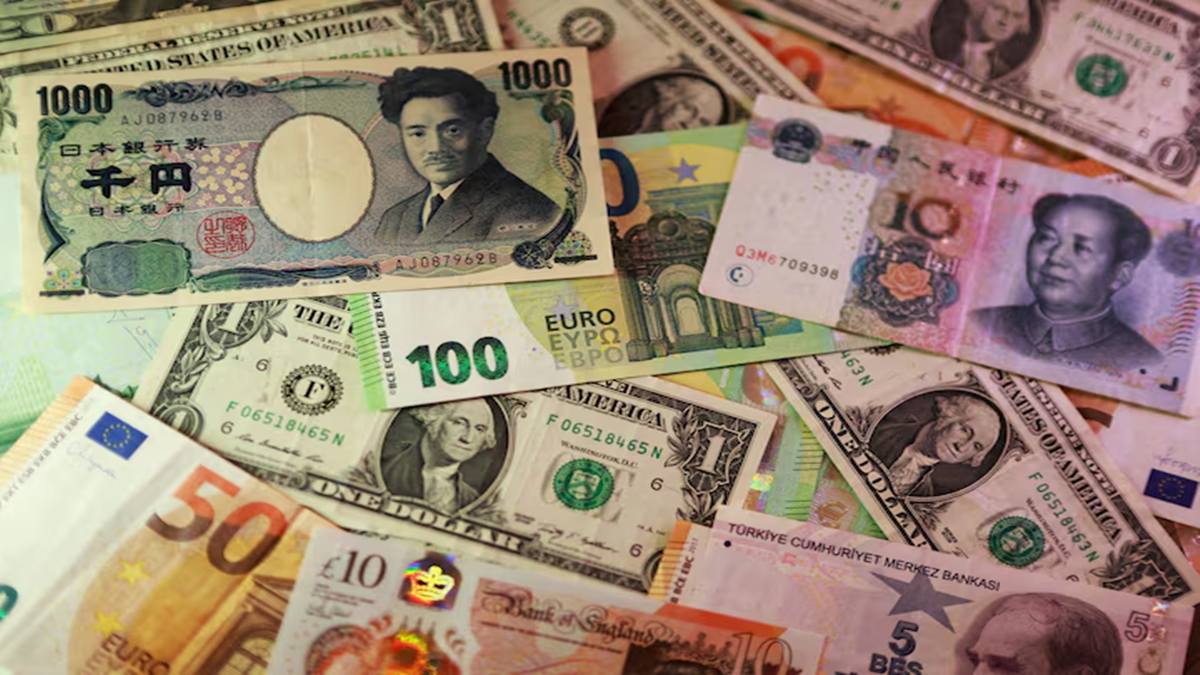
Global Bond Sell-Off Pushes Japan Yields To 30-Year High

US and China Hold Quiet Talks Over Iran Conflict
Trump-Xi Talks Expected to Address AI Guardrails