1 hr ago
Three Simple Checks Can Help Assess Kidney Health
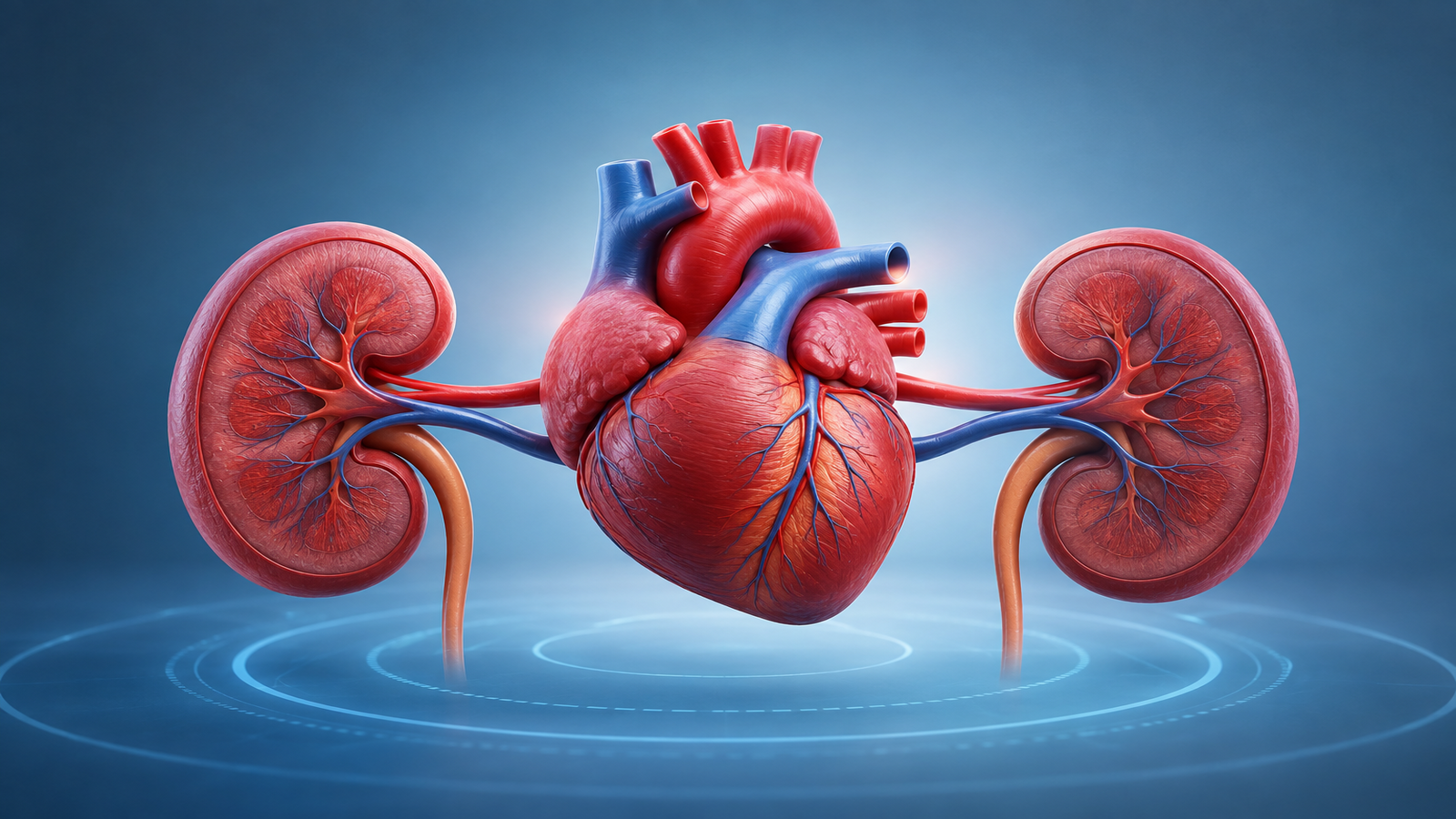
Your kidneys clean waste and extra fluid from your blood.
Sometimes they can have problems before you feel sick.
A blood test checks creatinine and helps estimate how well your kidneys filter waste.
A urine test can look for albumin, a protein that may leak into urine when kidneys are damaged.
A blood pressure check is also important.
High blood pressure can harm the kidneys, and kidney problems can raise blood pressure.
One test result should not be understood by itself.
A health professional can interpret test results with other information.
People with certain health conditions or risk factors may need checks more often.

Kidney disease may develop without obvious symptoms in its early stages.
A blood test measures serum creatinine, which is used to calculate eGFR, an estimate of kidney filtration.
A urine albumin-to-creatinine ratio can detect albumin that may signal kidney damage.
Blood pressure is important to check because hypertension can contribute to kidney disease and kidney problems can also raise blood pressure.
People with diabetes, high blood pressure, obesity, family history of kidney disease, cardiovascular disease, or certain medication use may need more frequent monitoring.
- Who
- People checking their kidney health, especially those with kidney disease risk factors.
- What
- The article describes three checks: serum creatinine/eGFR, urine albumin-to-creatinine ratio, and blood pressure.
- Where
- When
- As part of routine health checks; people with risk factors may need more frequent monitoring.
- Why
- Kidney disease may have no obvious early symptoms, and tests can identify changes before symptoms appear.
Key facts
- Blood test
- Serum creatinine is used to calculate eGFR, an estimate of kidney filtration.
- Urine test
- UACR checks for albumin in urine, which can indicate kidney damage.
- Blood pressure
- Hypertension can be a risk factor for kidney disease and may also result from impaired kidney function.
- Possible symptoms
- Signs can include swelling, urine changes, foamy or bloody urine, persistent tiredness, nausea, reduced appetite, itching, or increased blood pressure.
- Risk factors for closer monitoring
- Diabetes, high blood pressure, obesity, family history of kidney disease, cardiovascular disease, and regular use of certain medications.
- Interpreting results
- Age, muscle mass, and hydration can affect creatinine and eGFR; an abnormal result may need repeat testing or clinical interpretation.
Quotes
Dr Chaitrali Gawde
Consultant in nephrology and kidney transplant at KIMS Hospitals, Thane.
“The urine albumin-to-creatinine ratio, or UACR, is generally used to detect albumin in the urine. It can pick up early kidney changes that may not yet be reflected by a noticeable reduction in kidney function.”
 indianexpress.com
“Kidney disease is often difficult to detect in its early stages because most people do not have any obvious symptoms. Simple blood and urine tests can sometimes detect changes before symptoms appear.”
indianexpress.com
Sources
Related news
Panel Urges Biannual Kidney Tests to Detect Silent Disease
Foamy Urine: When It May Signal Kidney Problems

Kidney Disease Often Has No Symptoms: Why Early Detection Matters

AIIMS Study Links Metabolic Health to Fat Around Kidneys

Deccan Hospital Highlights Prostate Cancer Awareness and Early Detection