2 hrs ago
Supreme Court Reviews Trial Fairness, Not Amit Shah’s Discharge
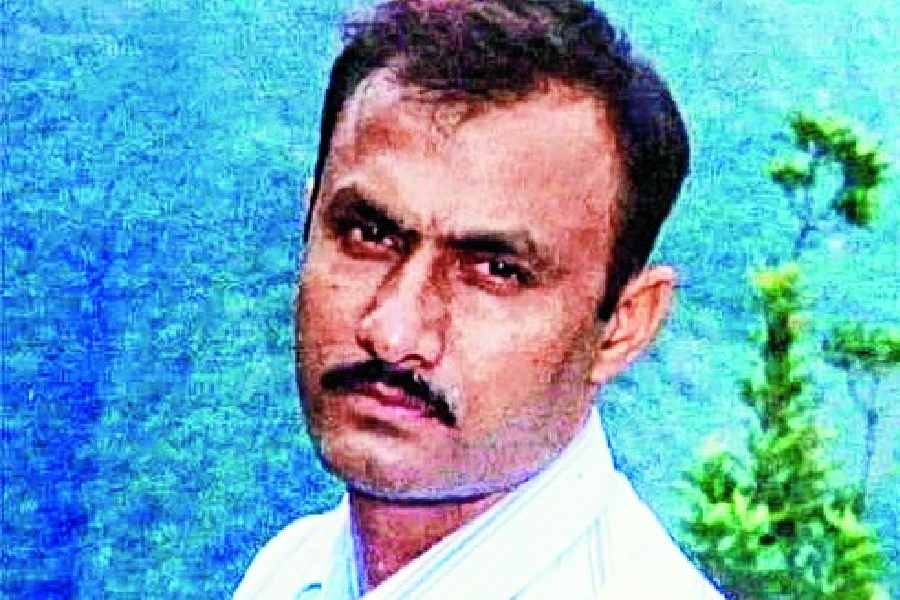
The case concerns the deaths of Sohrabuddin Sheikh, his wife Kauser Bi, and Tulsiram Prajapati.
Police said the deaths happened during separate encounters, but prosecutors alleged they were staged killings.
Amit Shah was accused of ordering one of the encounters, but he was discharged from the case in 2014.
The Supreme Court has already upheld that discharge.
Rubabuddin Sheikh, Sohrabuddin’s brother, is challenging the acquittal of 22 other accused people.
He says the trial was flawed and some witness statements were not recorded properly.
The Supreme Court is not reopening Shah’s discharge in this appeal.
Instead, it will examine whether the trial was conducted fairly, especially because many witnesses changed or withdrew their testimony.

The Supreme Court said it would not examine a challenge to Amit Shah’s 2014 discharge in the case.
It sought responses from the Central Bureau of Investigation and 22 people accused in the matter.
Rubabuddin Sheikh has challenged the Bombay High Court’s decision upholding their acquittals.
The court raised concerns after 92 of 210 trial witnesses were declared hostile.
It will examine selected witness statements to assess whether the trial was fair and just.
- Who
- The Supreme Court, Rubabuddin Sheikh, the Central Bureau of Investigation, and 22 accused people, including 21 police personnel.
- What
- The court is considering whether the trial leading to the accused persons’ acquittal was fair, while declining to examine Amit Shah’s discharge.
- Where
- The alleged killings occurred in Gujarat, while the case was heard by courts including the Bombay High Court and the Supreme Court.
- When
- The Supreme Court hearing took place on Monday; the killings occurred in November 2005 and December 2006.
- Why
- Rubabuddin Sheikh alleges that the trial was flawed and that witness statements were not accurately recorded.
Challenge to the Trial
Prior Findings and Acquittals
Whether the trial was fair
Challenge to the Trial
Rubabuddin Sheikh argues that the trial was flawed and that several witness statements were not recorded accurately.
Prior Findings and Acquittals
The accused were acquitted after the special CBI court found that the prosecution had not proved a conspiracy beyond reasonable doubt.
Significance of hostile witnesses
Challenge to the Trial
The Supreme Court described the fact that 92 of 210 witnesses were declared hostile as a serious concern requiring examination.
Prior Findings and Acquittals
The acquittal was upheld by the Bombay High Court, and the CBI said it would not challenge the acquittals.
Amit Shah’s role
Challenge to the Trial
Shah’s alleged role in ordering the encounter had previously been challenged by an appeal seeking further examination of his involvement.
Prior Findings and Acquittals
The Supreme Court said there was no question of examining a challenge to Shah’s discharge, which it had upheld in 2016.
Key facts
- Original killings
- Sohrabuddin Sheikh was killed in November 2005; Tulsiram Prajapati was killed in December 2006.
- Accused persons
- A special CBI court acquitted all 22 accused in December 2018.
- Witnesses
- Of 210 witnesses examined, 92 were declared hostile.
- Amit Shah’s discharge
- The CBI discharged Shah in 2014, and the Supreme Court upheld that decision in 2016.
- Bombay High Court ruling
- On May 7, the Bombay High Court upheld the acquittal of the 22 accused.
- Current review
- The Supreme Court will examine witness statements relevant to claims about trial fairness.
- CBI position
- In October 2025, the CBI told the court it would not challenge the acquittals.
Quotes

Supreme Court bench
Bench comprising Chief Justice Surya Kant and Justices Joymalya Bagchi and V Mohana
“Although it was a concurrent finding, whether there was a fair and just trial, that’s to be considered”
 scroll.in
Sources
Related news
Supreme Court Examines Challenge to Sohrabuddin Acquittals

Supreme Court Seeks Witness Statements in Amit Shah Acquittal Plea
MP Governor Rejects Prosecution Sanction for Minister Vijay Shah
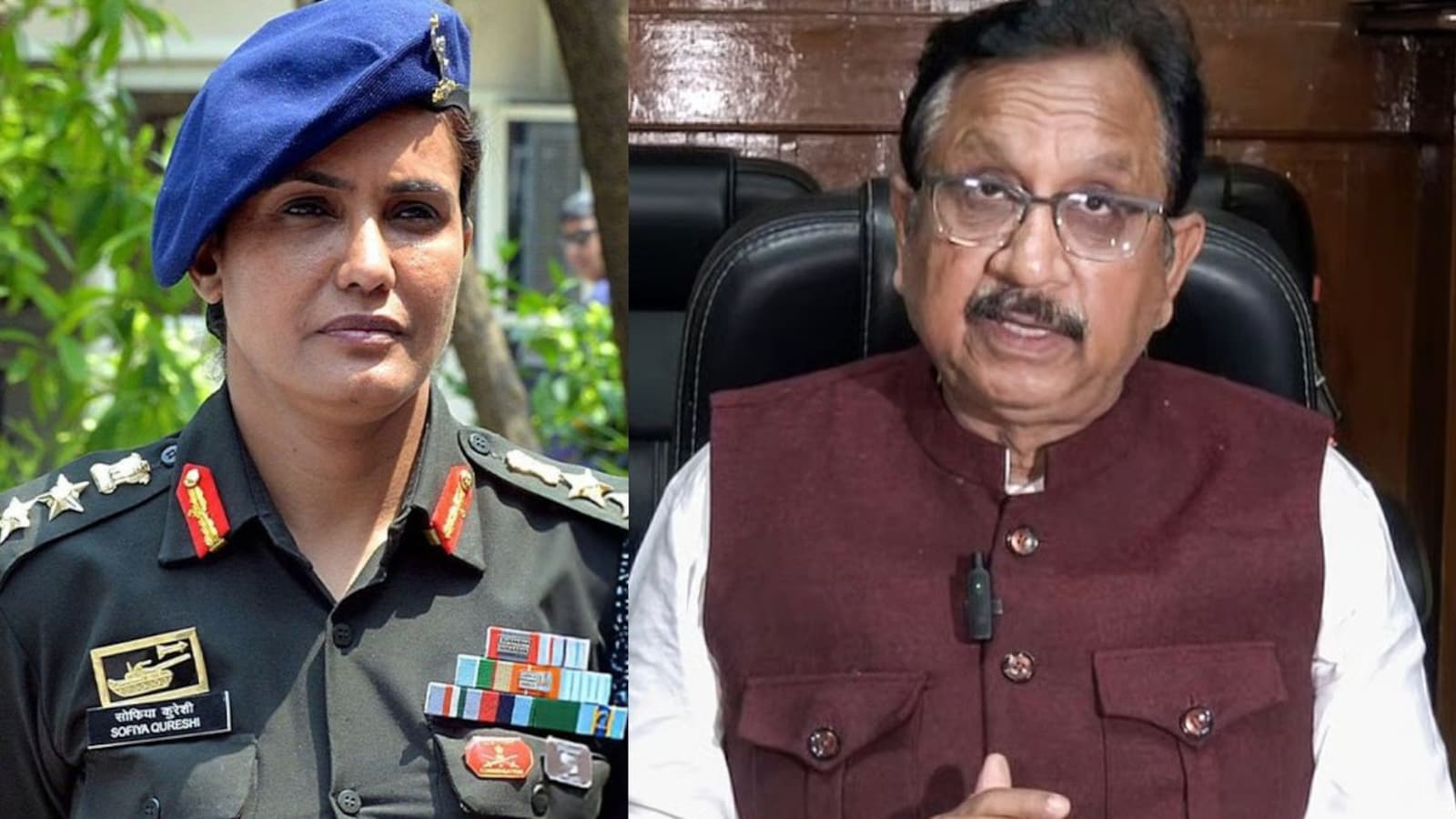
Sanction Decision Nears for MP Minister Over Qureshi Remarks
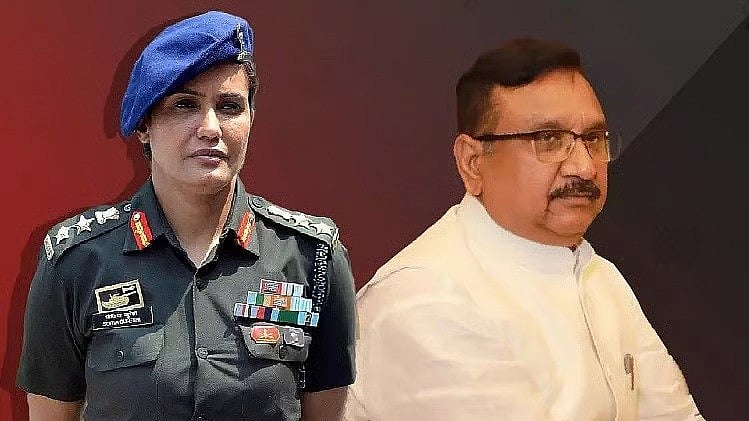
MP Government Says Vijay Shah Prosecution Sanction Awaits Governor
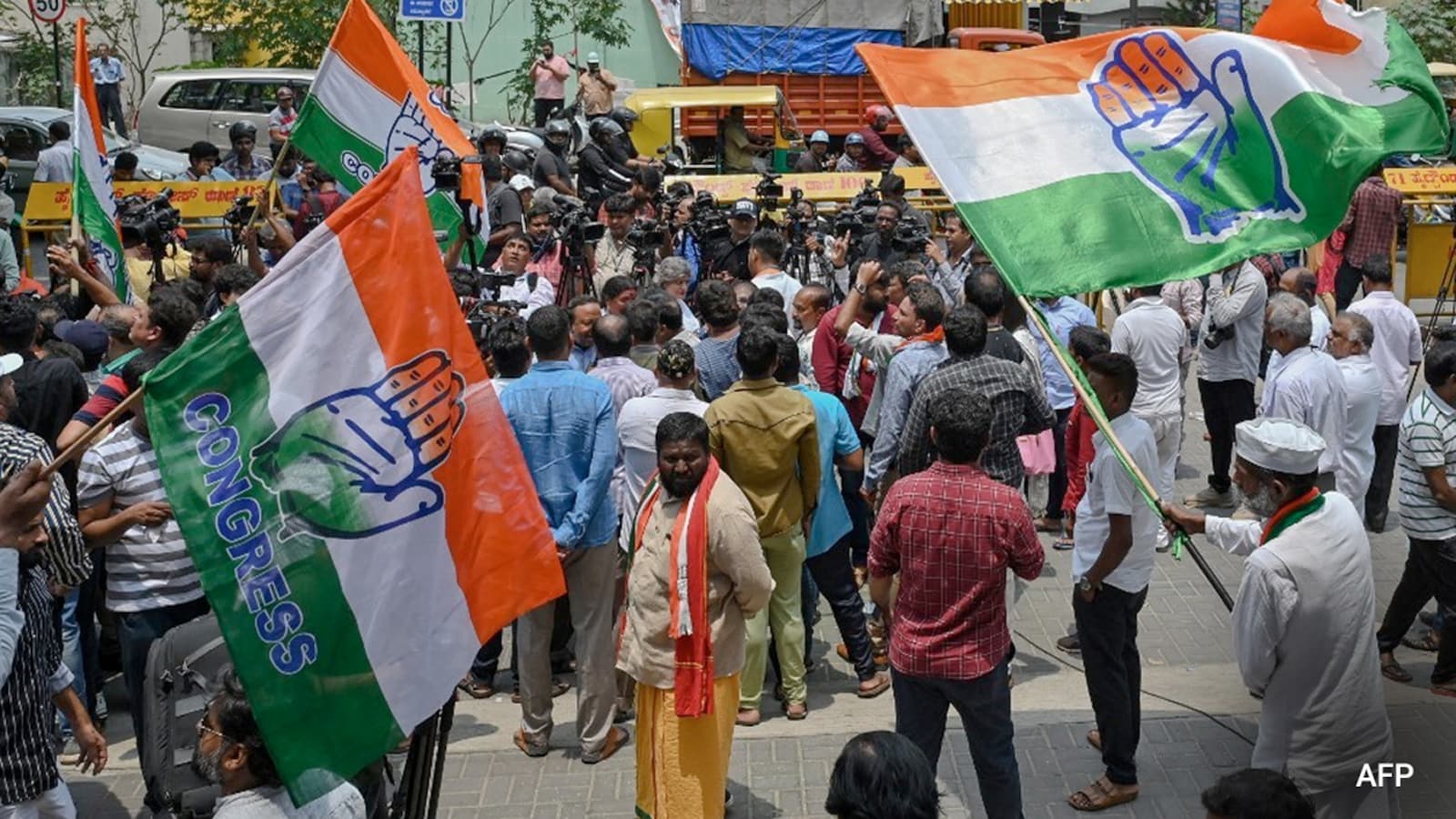
Congress Moves Candidates To Safe Location Before Gandhinagar Civic Polls

Opposition Alleges Poll Misuse in Gandhinagar Civic Elections
Gujarat’s Khel Mahakumbh Draws 76 Lakh Players, 3.49 Lakh Teams
Jaymin Patel’s UPSC Answer-Key Fight Reaches Supreme Court