

3 weeks ago
US official revives 'Indo-Pacific' term on Southeast Asia tour
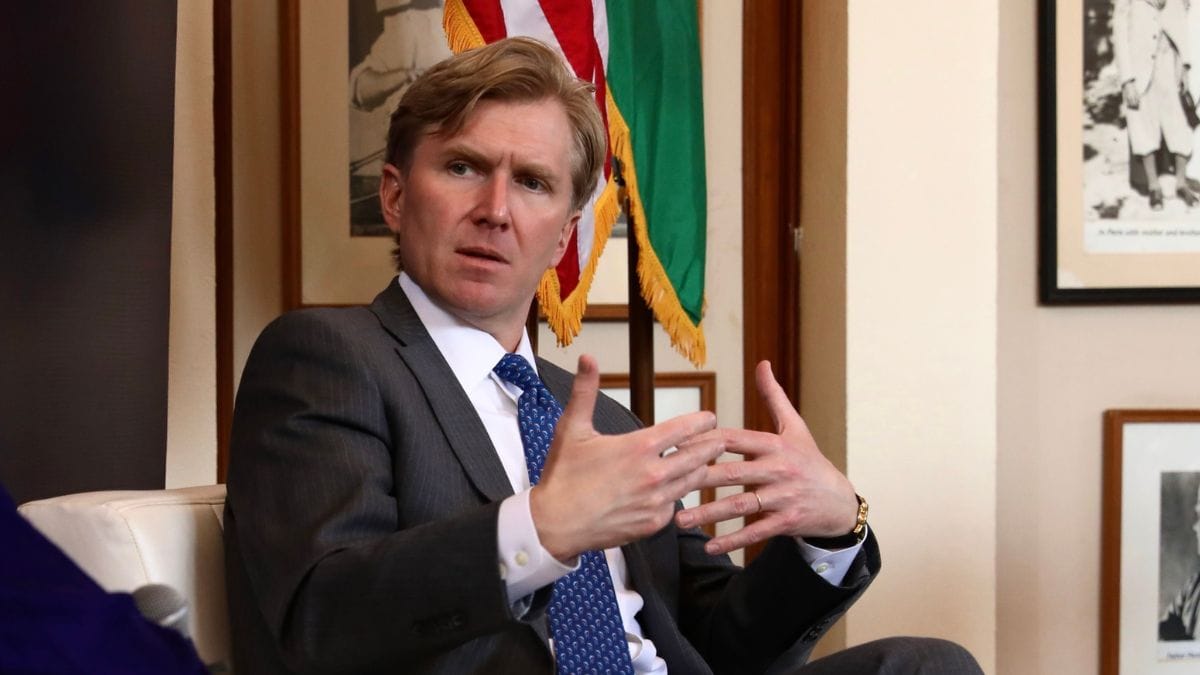
The United States has a military group that watches over the Pacific Ocean and the countries around it.
A few months ago, the government changed this group's name from the US Indo-Pacific Command to the older name, US Pacific Command.
But a senior American official named Elbridge Colby is visiting Southeast Asia, and he keeps using the word 'Indo-Pacific.'
In a speech in Manila, the capital of the Philippines, he said the word at least five times.
He said America cares more than ever about the Indo-Pacific and that the United States is not leaving the region.
He also asked friendly countries to spend more money on their own defense and to work together.
Interestingly, he never mentioned China, even though China is a very big country in that part of the world.
He praised the 'ASEAN way' of talking and working together with Southeast Asian countries.
After Manila, he plans to visit Indonesia, Thailand, and Cambodia.
The United States and some of these countries have had a tricky friendship, especially during President Trump's first term.

Two months after the Department of War renamed US Indo-Pacific Command to Pacific Command, Under Secretary of War for Policy Elbridge Colby revived the term 'Indo-Pacific' at least five times in a Manila speech.
Colby called for a greater partnership with ASEAN members, saying America's interests are 'more engaged than ever in the Indo-Pacific' and that the US is 'not leaving' but 'digging in.'
His speech contained no direct mention of China, Chinese military power, or the South China Sea, focusing instead on a favorable 'balance of power' and regional partners investing more in their own defense.
Colby praised the 'ASEAN way' — pragmatism, dialogue, and economic prosperity — and said the United States is 'taking a page from the ASEAN Way.'
He warned against 'middle power alliances designed to exclude America' and is set to travel from Manila to Indonesia, Thailand, and Cambodia with Assistant Secretary of War John Noh.
- Who
- Elbridge Colby, US Under Secretary of War for Policy, accompanied by Assistant Secretary of War John Noh.
- What
- Revived the 'Indo-Pacific' term in a Manila speech and called for a greater partnership with ASEAN, weeks after the US Indo-Pacific Command was renamed Pacific Command.
- Where
- Stratbase Institute in Manila, Philippines; the tour continues to Indonesia, Thailand, and Cambodia.
- When
- Monday, two months after the June announcement of the military command name change.
- Why
- To redefine America's presence in Asia under the Trump administration, emphasizing a favorable balance of power and greater regional self-defense.
Colby's Southeast Asia outreach
Command renaming and first-term record
Use of the 'Indo-Pacific' term
Colby's Southeast Asia outreach
Colby used 'Indo-Pacific' at least five times in his speech, arguing America's interests are more engaged than ever in the region and that the term still defines US strategy.
Command renaming and first-term record
The Department of War announced in June that US Indo-Pacific Command would restore its historic name, US Pacific Command, to honor the command's deep historical roots.
US commitment to Southeast Asia
Colby's Southeast Asia outreach
Colby insisted the US is not leaving and is 'digging in,' describing a 'formidable, resource-backed posture' and seeking 'partners, not protectorates.'
Command renaming and first-term record
Many Southeast Asian governments were disappointed by the first Trump term, including the US withdrawal from the Trans-Pacific Partnership, skipped East Asia Summits, and no ambassador appointed to ASEAN or Singapore.
Key facts
- Official
- Elbridge Colby, US Under Secretary of War for Policy
- Command name change
- US Indo-Pacific Command (USINDOPACOM) restored to US Pacific Command (USPACOM), announced in June
- Speech venue
- Stratbase Institute, Manila
- 'Indo-Pacific' mentions
- At least five times in the speech
- Tour stops
- Indonesia, Thailand, Cambodia (after Manila)
- Traveling companion
- Assistant Secretary of War John Noh
- China references
- None direct — no mention of Beijing, Chinese military power, or the South China Sea
- Key themes
- Favorable balance of power, regional self-defense, 'partners, not protectorates'
Quotes

Secretary Hegseth
Former U.S. Secretary of Defense quoted in Colby’s speech
“"When we ask our allies and partners to step up, to invest more in their own defense, and to take responsibility for their own sovereign security, we are not signalling abandonment."”
 theprint.in
“"A Pacific dominated by any hegemon would unravel the regional balance of power and undermine the equilibrium we all seek to preserve."”
theprint.in
Sources
Related news

US not disengaging from Asia, seeks 'partners, not protectorates'
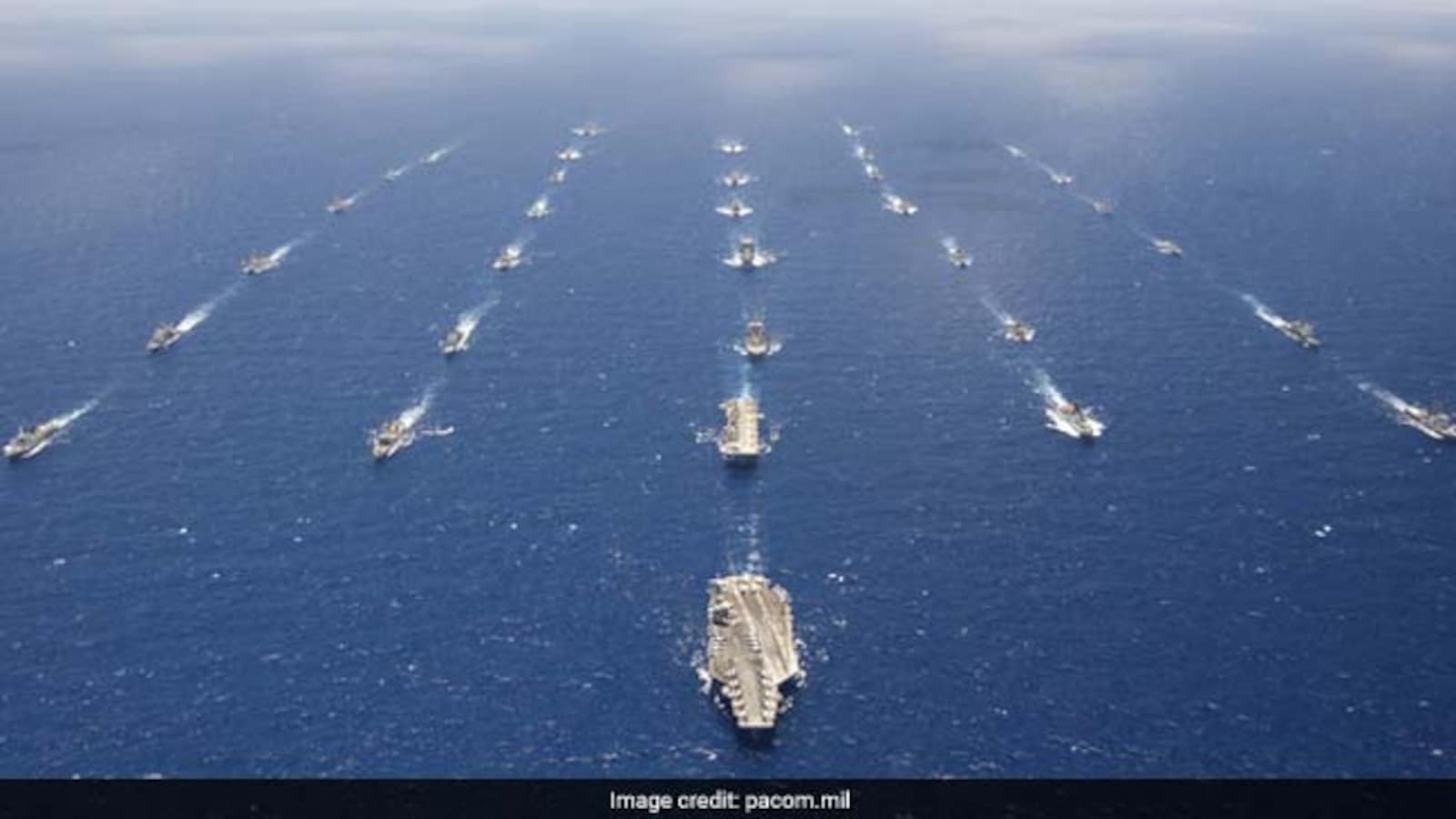
US Calls India 'Critical Power' After Pacific Command Name Change

Trump’s Asia Pivot Reverses as U.S. Forces Shift Middle East
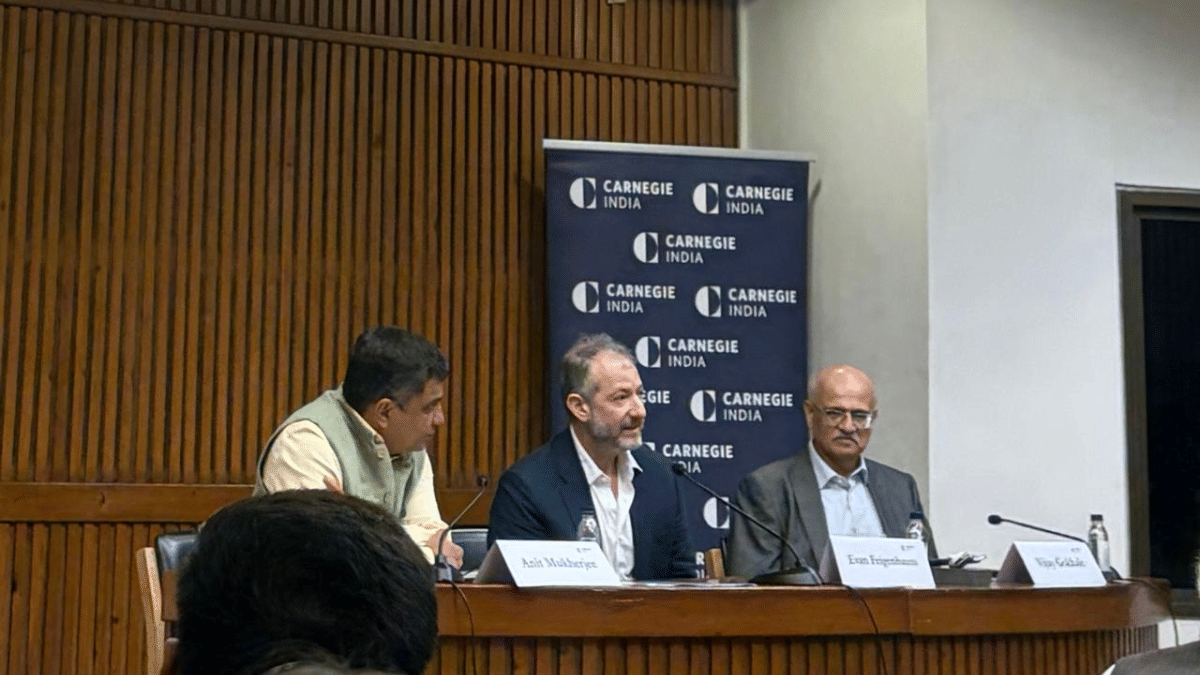
Former Official Urges Realism on Quad and India-US Ties
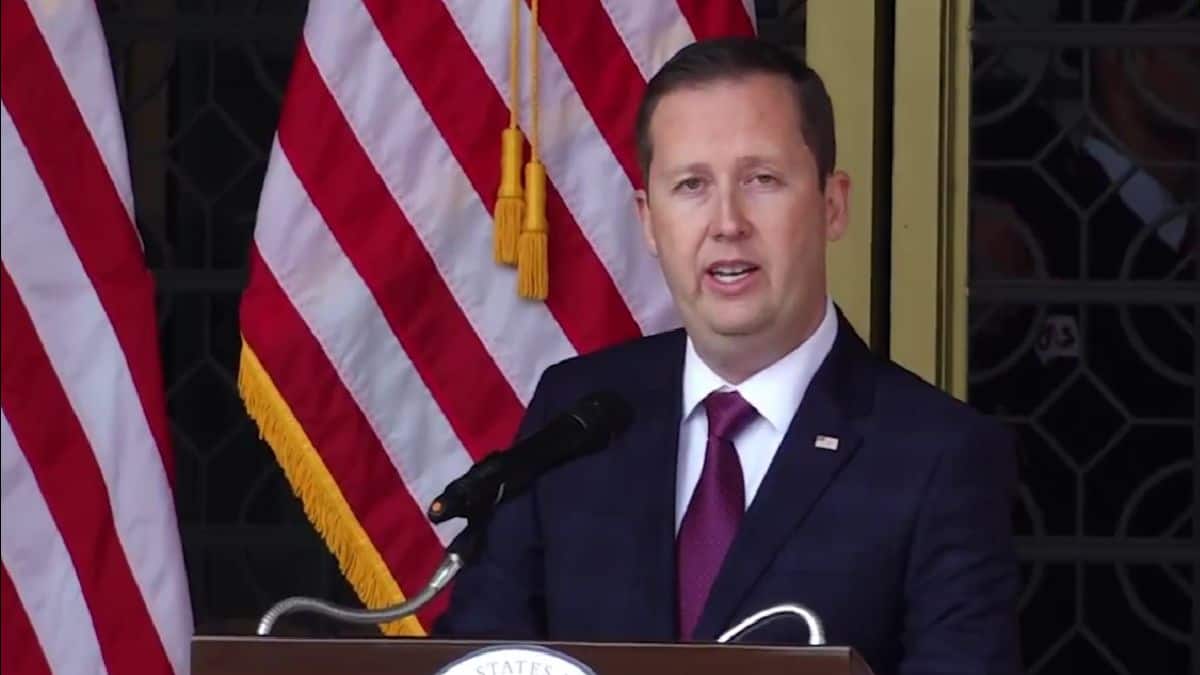
Quad Nations Align on Free, Open Indo-Pacific, Says US Envoy
Solomon Islands seeks to restore ties with U.S., Australia
Trump Says He Will Host Xi Jinping at September Summit
Book Examines India-ASEAN Ties, Opportunities and Persistent Engagement Gaps
India-Australia Maritime Security Plan Faces Test of Implementation

China’s Ironclad Friendship With Cambodia Yields to National Interests

Jaishankar Meets Putin as India-Russia Ties Deepen
