3 hrs ago
How Computational Gastronomy Is Changing Flavors, Health, and Sustainability
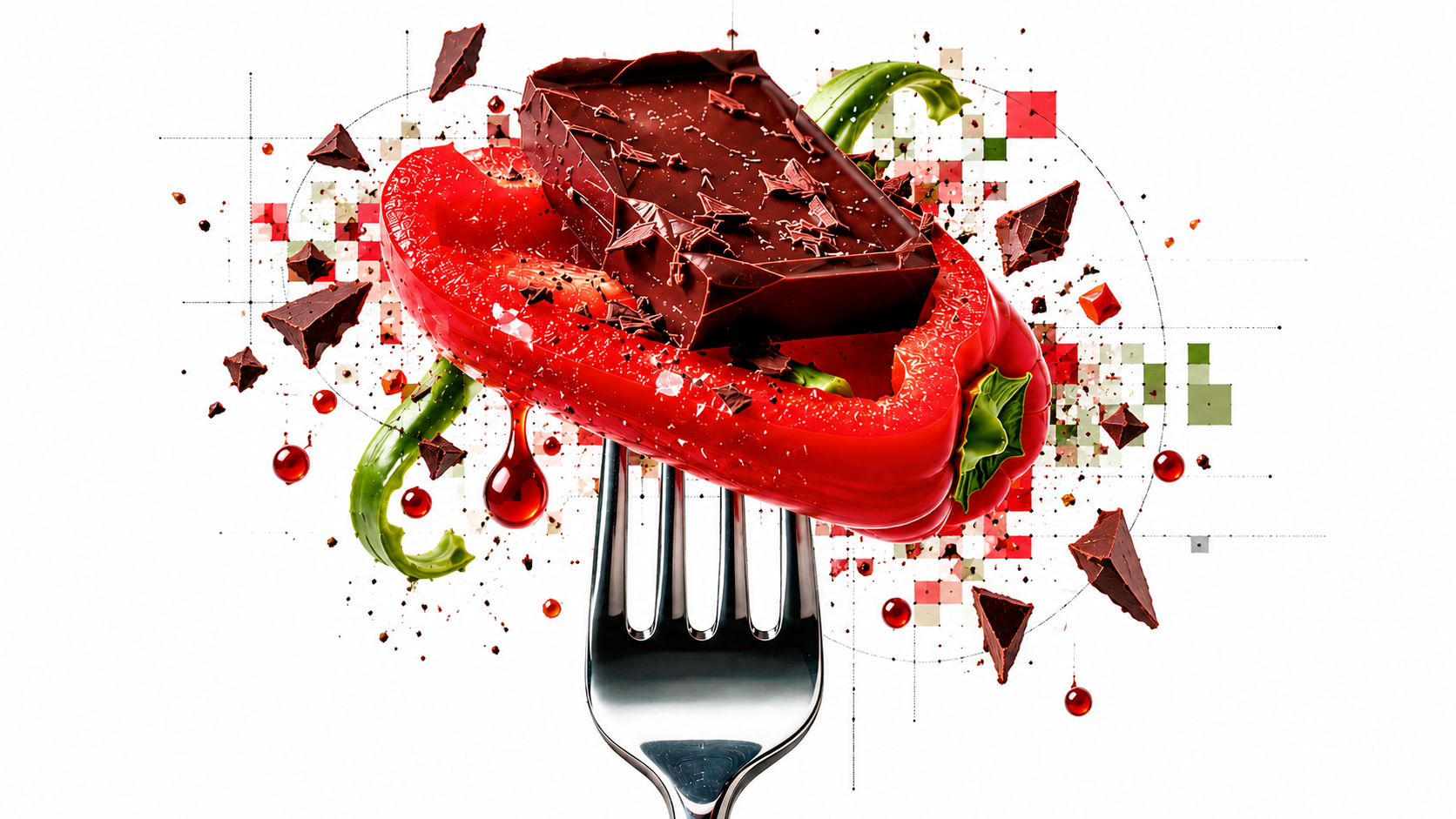
Computational gastronomy uses science and computer data to understand how foods work together.
One database, called FlavorDB, looks for ingredients that share flavor molecules.
This can suggest surprising pairs, such as coffee with capsicum or pineapple with snow peas.
Chefs still need to decide how to turn those suggestions into food people will enjoy.
A food entrepreneur used the database to make millet biscuits taste like a childhood snack.
Other databases connect spices with reported health effects and foods with their carbon footprints.
Researchers are also exploring personalized meal plans based on a person’s health information.
However, computer databases do not yet capture every regional ingredient or the way cooking changes flavor.
The researchers say human cooks remain essential for creating a complete dining experience.

FlavorDB maps 936 ingredients through nearly 26,000 shared flavor molecules to suggest unusual pairings.
Chef-mixologist Bessararov Grigorii has used the database to create combinations such as pea-pineapple and bourbon, bacon, and banana.
Food entrepreneur Shantanu Patil used baked ragi and cardamom oil to recreate a raisin-like flavor in millet biscuits.
Researchers are developing tools for personalized nutrition, health-focused meal planning, carbon-footprint analysis, and lower-calorie sweeteners.
Experts say databases remain limited because they simplify flavors and often miss regional ingredients, preparation methods, and oral food traditions.
- Who
- Researchers led by Ganesh Bagler, chefs including Bessararov Grigorii, food entrepreneur Shantanu Patil, and teams at Sapienza University and Ashoka University.
- What
- The article examines computational gastronomy, including databases that use flavor, nutrition, health, and sustainability data to guide food development.
- Where
- The work involves institutions and food professionals in India, Italy, South Korea, Dubai, and Russia.
- When
- Grigorii began using FlavorDB in 2023; the broader research and database projects are ongoing.
- Why
- The technology aims to discover new flavor combinations, reduce food-development costs, support personalized nutrition, assess environmental impact, and identify new food compounds.
Data-Driven Culinary Innovation
Human Judgment and Data Limitations
Role of databases
Data-Driven Culinary Innovation
Flavor and nutrition databases can reveal combinations, reduce trial-and-error costs, support new products, and help design personalized or sustainable meals.
Human Judgment and Data Limitations
Databases provide possibilities rather than final decisions; chefs must account for taste, cost, balance, presentation, preparation, and the individual guest.
Accuracy of flavor predictions
Data-Driven Culinary Innovation
Machine learning may eventually predict whether molecules taste sweet, bitter, or savory and help identify sugar alternatives with few or no calories.
Human Judgment and Data Limitations
Researchers say current systems offer only coarse approximations, while flavor changes with cooking and differs among regional varieties of the same ingredient.
Representing food traditions
Data-Driven Culinary Innovation
Knowledge graphs and AI could organize Indian recipes and preserve food knowledge that is absent from many online databases and cookbooks.
Human Judgment and Data Limitations
Indian recipes are often imprecise, orally transmitted, and highly variable by region and technique, making them difficult to represent as standardized algorithms.
Key facts
- FlavorDB coverage
- The database contains 936 food ingredients and nearly 26,000 flavor molecules.
- Coffee and capsicum
- Coffee has 269 flavor molecules and capsicum has 218; they share 78 molecules.
- Grigorii’s experiments
- His combinations include lemon with white chocolate, pineapple with snow peas, and bourbon with bacon and banana.
- Millet product development
- Shantanu Patil used baked ragi with cardamom or elaichi oil to create a raisin-like flavor.
- Health database
- SpiceRx maps spices and herbs to reported health effects; its examples include research on ginger and nausea.
- Sustainability research
- SustainableFoodDB maps the carbon footprint of dishes, although ingredient traceability remains a problem.
- Indian food documentation
- A collaborative project documented 1,060 recipes and 11,398 unique ingredients through interviews with 338 rural women across six states.
Quotes
Andrea Vitaletti
Associate Professor in computer science at Rome’s Sapienza University
“generating insights that help experts reflect on and better understand their own intuitions and judgments on food”
 indianexpress.com
“It is still difficult to capture the taste of an ingredient; only a coarse approximation is made.”
indianexpress.com
Bessararov Grigorii
Chef-mixologist who uses FlavorDB to develop unusual food and drink combinations
“The database gives you possibilities, but not decisions: it can’t read the guest, the cost, the balance, or the presentation.”
indianexpress.com
Sources
Related news

Self-Taught Restaurateur Gaurav Saria Says Customers Were His Culinary School

Indian-Origin Educator Suman Shah Named Boston Public Library Chef-in-Residence

Buenos Aires Bar Tres Monos Brings Argentine Flavors to Hyderabad

Former OpenAI Researcher Sees India Ready for Frontier AI
Telugu Cuisine Gets Contemporary Fine Dining at ROCH Chef's Table

Anjan Chatterjee Jokes About Mounjaro Challenging His Foodie Life

Holy Sepulchre Excavation Finds Clues Consistent With Jesus’ Burial