

3 weeks ago
Syrian court sentences ousted Bashar al-Assad to death in absentia
A court in the country of Syria made a very important decision about the man who used to be Syria's leader, Bashar al-Assad.
The judges said he did very bad things during a long war, such as hurting and killing many people, including children.
They gave him the strongest punishment there is: the death penalty.
Bashar was not in the courtroom because he is not in Syria anymore, so the decision was made without him, which is called a trial 'in absentia.'
The court gave the same punishment to his brother, Maher, and his cousin, Atef Najib.
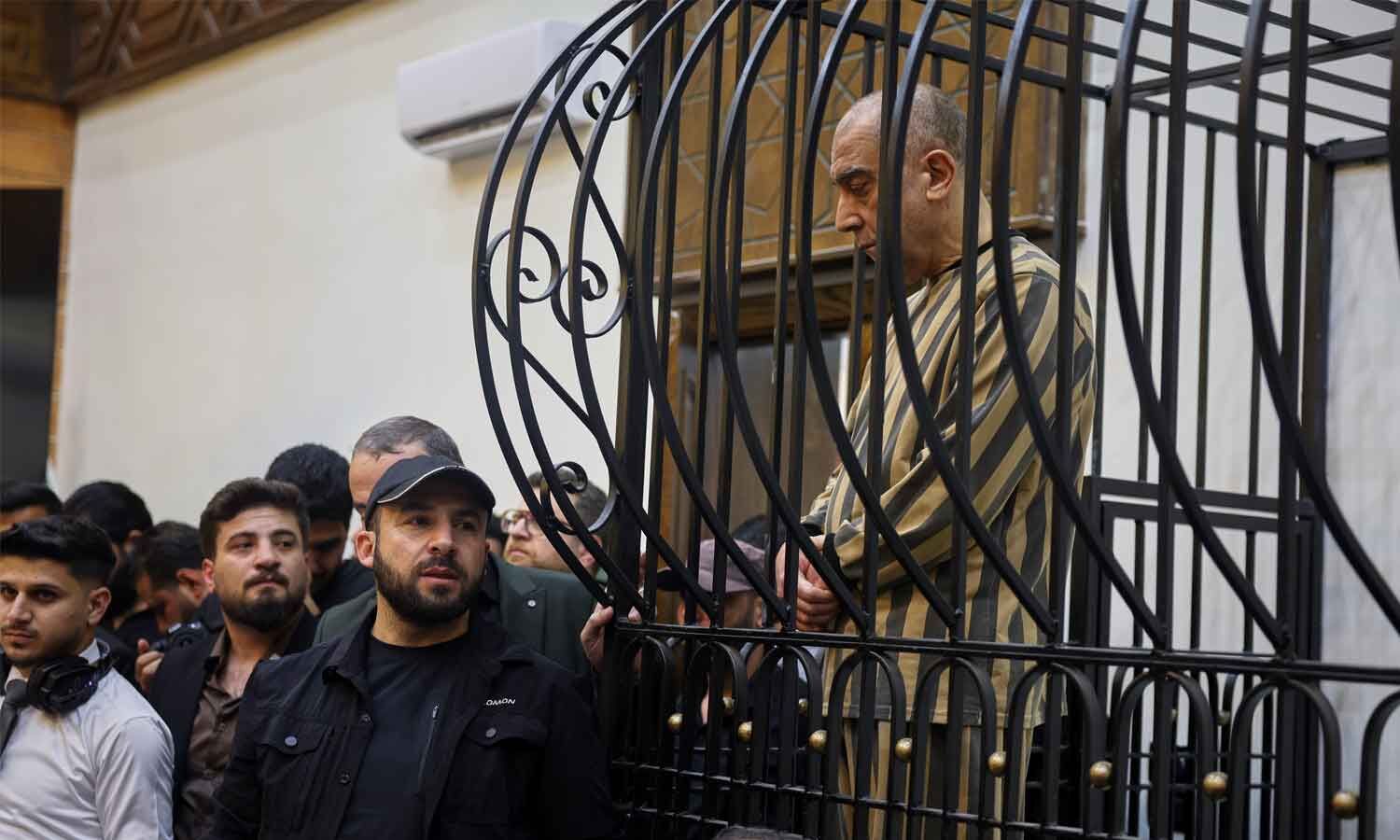
Najib was in the courtroom, standing inside a metal cage while wearing a prisoner's uniform.
He used to lead security in a place called Daraa, where Syria's uprising first began, and the court said he hurt people there, including children.
The war lasted almost 14 years and sadly caused about half a million deaths.
Bashar left Syria with his family in December 2024 and now lives far away in Russia.

A Damascus criminal court sentenced ousted President Bashar al-Assad to death in absentia after convicting him of war crimes and crimes against humanity.
Assad's brother Maher al-Assad, a former Syrian military leader, was also handed a death sentence in absentia.
Maternal cousin Atef Najib, former head of the Political Security Branch in Daraa and a retired Syrian army brigadier general, was sentenced to death in person for premeditated murder, torture, and the intentional killing of children under 15.
Assad fled to Moscow with his family after Islamist-led forces captured Damascus in December 2024, ending his nearly 24-year rule; Ahmed al-Sharaa formed the new government.
The landmark ruling is the first death sentence against Assad by Syria's transitional authorities; the nearly 14-year conflict left about half a million people dead.
- Who
- Former Syrian president Bashar al-Assad, his brother Maher al-Assad, and his maternal cousin Atef Najib.
- What
- A Damascus criminal court sentenced them to death for war crimes and crimes against humanity, including premeditated murder, torture, intentional killing of children, and arbitrary detention, committed during Syria's civil war.
- Where
- The criminal court in Damascus, Syria; Assad and Maher were tried in absentia, while Najib appeared in person.
- When
- Tuesday, August 11, 2026.
- Why
- For atrocities linked to Syria's nearly 14-year civil war that killed about half a million people, including Najib's role in the 2011 crackdown in Daraa that helped trigger the uprising.
Key facts
- Verdict
- Death sentence for Bashar al-Assad, Maher al-Assad, and Atef Najib
- Court
- Damascus criminal court, presided over by Judge Fakhr al-Din al-Arrian
- Trial details
- Assad and Maher sentenced in absentia; Najib appeared in person in a courtroom cage wearing a prisoner's uniform
- Convictions
- War crimes, crimes against humanity, premeditated murder, torture, arbitrary detention, intentional killing of children under 15
- Najib's role
- Head of the Political Security Branch in Daraa province in 2011; former Syrian army brigadier general
- Conflict toll
- About half a million killed in nearly 14 years of civil war, per the Syrian Observatory of Human Rights
- Assad's whereabouts
- Moscow, Russia, where he fled with his family in December 2024
- Discrepancy
- Most articles say Assad fled in December 2024; three articles say December 2014
Sources

Syria's Ex-President Bashar Al-Assad Sentenced To Death For Crimes Against Humanity

Syrian Court Sentences Bashar al-Assad To Death in Abstentia Over War Crimes

Former Syrian President Assad sentenced to death

Bashar al-Assad Sentenced To Death In Absentia By Syrian Court For ‘Crimes Against Humanity’

Syrian ousted president Bashar Al-Assad gets death sentence in landmark verdict

Syria's Bashar al-Assad sentenced to death in absentia by Damascus court
Syria’s Assad sentenced to death in absentia

Syria's Ousted Ruler Bashar Al-Assad Sentenced To Death By Court Over Civil War Atrocities

Syria's ousted ex-president Bashar al-Assad sentenced to death for ‘crimes against humanity’

Ex-Syrian Prez Bashar Assad sentenced to death
Related news

Bashar Assad, Brother Maher Sentenced to Death in Absentia

Syrian court sentences exiled Bashar al-Assad to death
Bashar al-Assad: From London-trained doctor to Syria's fallen dictator
Syria’s Barrel Bomb Mufti Sentenced to Life in Prison

Syria Arrests Assad-Era Officer After Austria Conviction

Air Strikes Hit Syria's Idlib Airport, First Since Assad's Fall

Iran’s Proxy Network Weakens, But Its Wars Persist

Welspun Corp, Perma-Pipe Plan Jordan Pipe Manufacturing JV

WhatsApp Group Exposed Vast Hawala Network Tied to Crime

India Seek First Win Over Syria in U20 Qualifiers

Turkey-Israel Rivalry Deepens Over Syria and Regional Influence
