2 weeks ago
USAID Cuts in Nepal Leave Mothers and Babies Dying

A program used to help pregnant women in a poor country called Nepal.
Helpers visited women at their homes, gave them healthy food, and took them to doctors.
A big American organization called USAID paid for the program.
The American government stopped paying for it.
After that, the helpers could not visit anymore, and the food went away.
One young mother named Kabita got very sick while pregnant.
She did not know she needed to go to a hospital.
Her baby died, and Kabita died too.
Experts worry that more children around the world may die because help stopped.
The American government says other countries should also help pay.

The Trump administration dissolved USAID, once the world's largest humanitarian donor, ending maternal and child health programs in Nepal.
A cancelled five-year, $35 million U.S. program had reached more than 100,000 women and girls and trained nurses, midwives and community health workers.
Kabita Mukhiya, 20, died from eclampsia complications with severe anemia after funding cuts ended home visits and nutrition support she needed.
The Gates Foundation predicted 2025 will be the first year this century in which global child deaths increase; a Lancet study projected more than 14 million deaths by 2030.
The U.S. State Department said U.S. assistance was reinvigorated for efficiency and effectiveness, and that the rest of the world must contribute more.
- Who
- Donald Trump's administration, which dissolved USAID; Kabita Mukhiya, a 20-year-old pregnant mother of three in rural Nepal, who died along with her unborn son.
- What
- U.S. foreign aid cuts cancelled maternal and newborn health programs in Nepal, leading to more pregnancy complications and deaths.
- Where
- Nepal's Rautahat district, with the AP documenting similar deaths of women and children from Myanmar to Nigeria.
- When
- After the U.S. funding cuts; Kabita died in December, and a Rautahat village recorded its first neonatal death that December with four more by March.
- Why
- The cuts removed home visits by community health volunteers, nutritional supplements and birthing center support that helped pregnant women spot complications early.
Aid Cuts Are Deadly
U.S. Defends Aid Reforms
Impact of the funding cuts
Aid Cuts Are Deadly
The AP documented deaths of women and children from Myanmar to Nigeria, and Nepal health workers say maternal deaths have risen sharply since programs ended.
U.S. Defends Aid Reforms
The U.S. government insists no children have died because of its funding cuts and says its assistance now focuses on efficiency, effectiveness and partnership.
Who should fund global health programs
Aid Cuts Are Deadly
Experts say the cuts erased decades of progress and ended cheap, life-saving care that could have prevented deaths like Kabita's.
U.S. Defends Aid Reforms
The State Department says the U.S. spends more on health and humanitarian assistance than any other country, and the rest of the world needs to contribute more and share the burden.
Key facts
- Cancelled program
- Five-year, $35 million U.S. maternal and child health program in Nepal
- Program reach
- Over 100,000 women and girls reached in its first three years
- U.S. cuts' impact
- Forced 60% of women's organisations to reduce services (WHO)
- Lancet projection
- More than 14 million deaths, including over 4.5 million children under 5, by 2030
- Gates Foundation prediction
- 2025 could be the first year this century with rising child deaths
- Child wasting in Kabita's province
- Rose from 7.4% before cuts to 12.3% after
- Kabita Mukhiya
- 20-year-old mother of three; died of eclampsia complications with severe anemia
- Prenatal visits in Dewahi Gonahi
- Halved since the funding cuts
Quotes
Shraddha Mukhiya
Kabita's aunt and primary caregiver
“"We don't have anyone to help us out here, to tell us about these things. If there was someone, we would ask them, follow their advice."”
 NDTV
NDTV
“"It's heartbreaking to see what's happening. It's decades of progress being washed away."”
NDTV
Sources
Related news
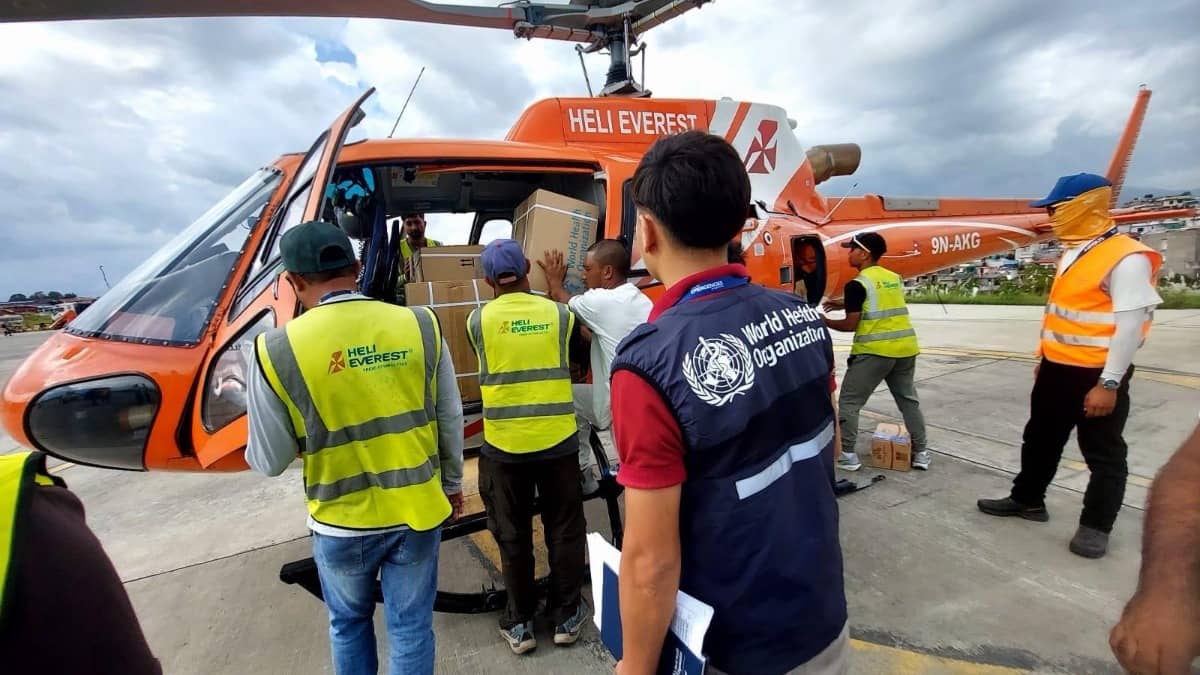
US, WHO Expand Emergency Support After Nepal Flash Floods

Nepal-Tibet Floods Kill At Least 160, Aid Mobilizes
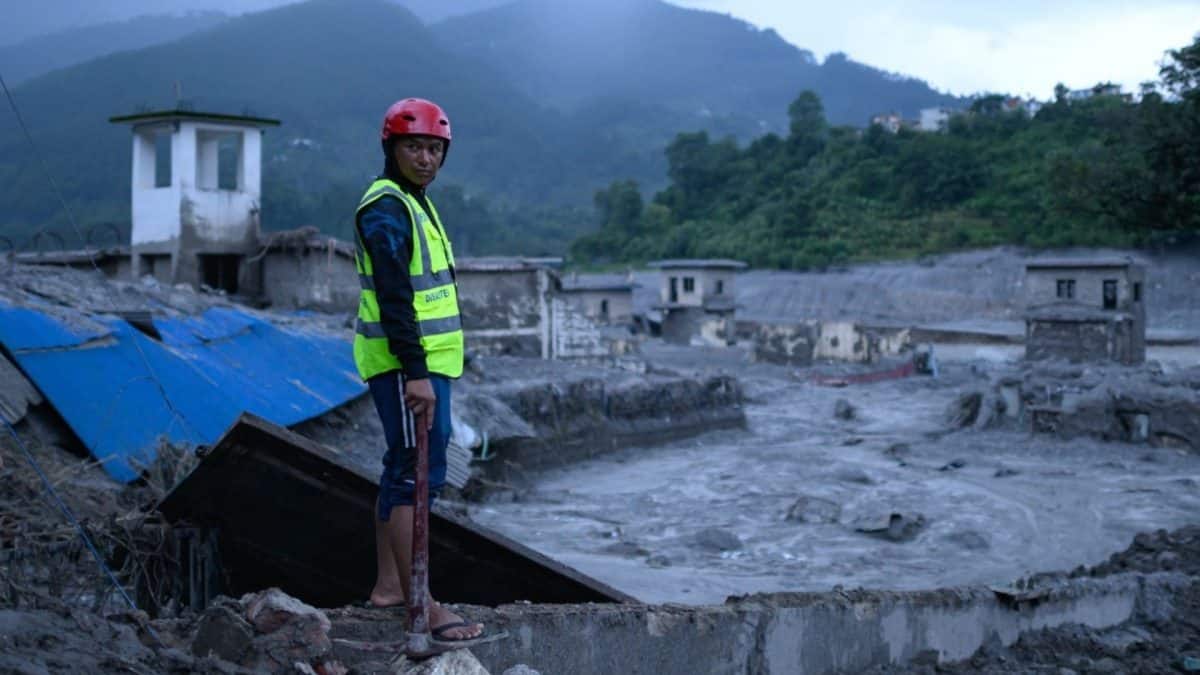
United States Pledges Aid as Nepal Flood Death Toll Rises
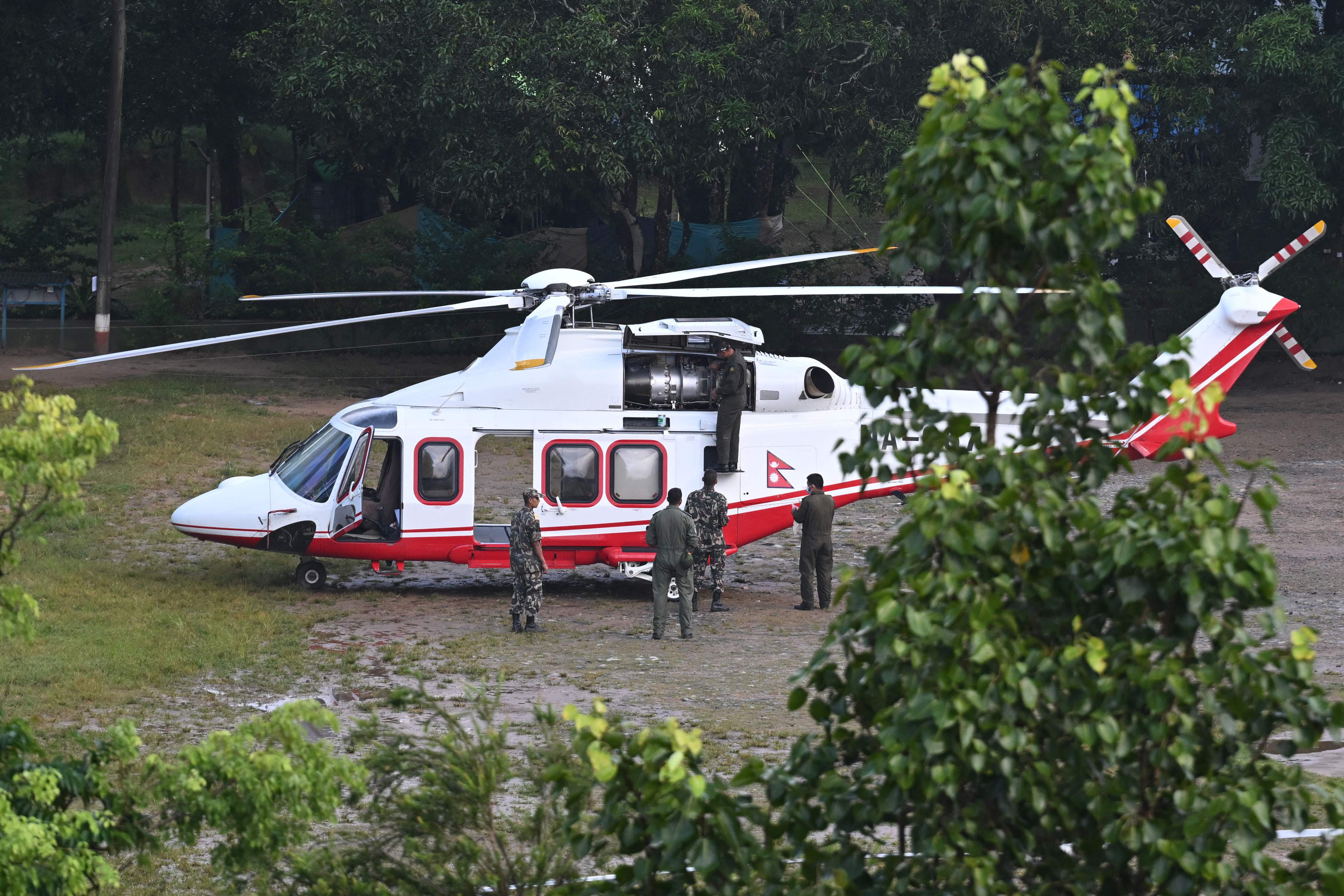
US Pledges $3.6 Million Aid as Nepal Flood Crisis Deepens
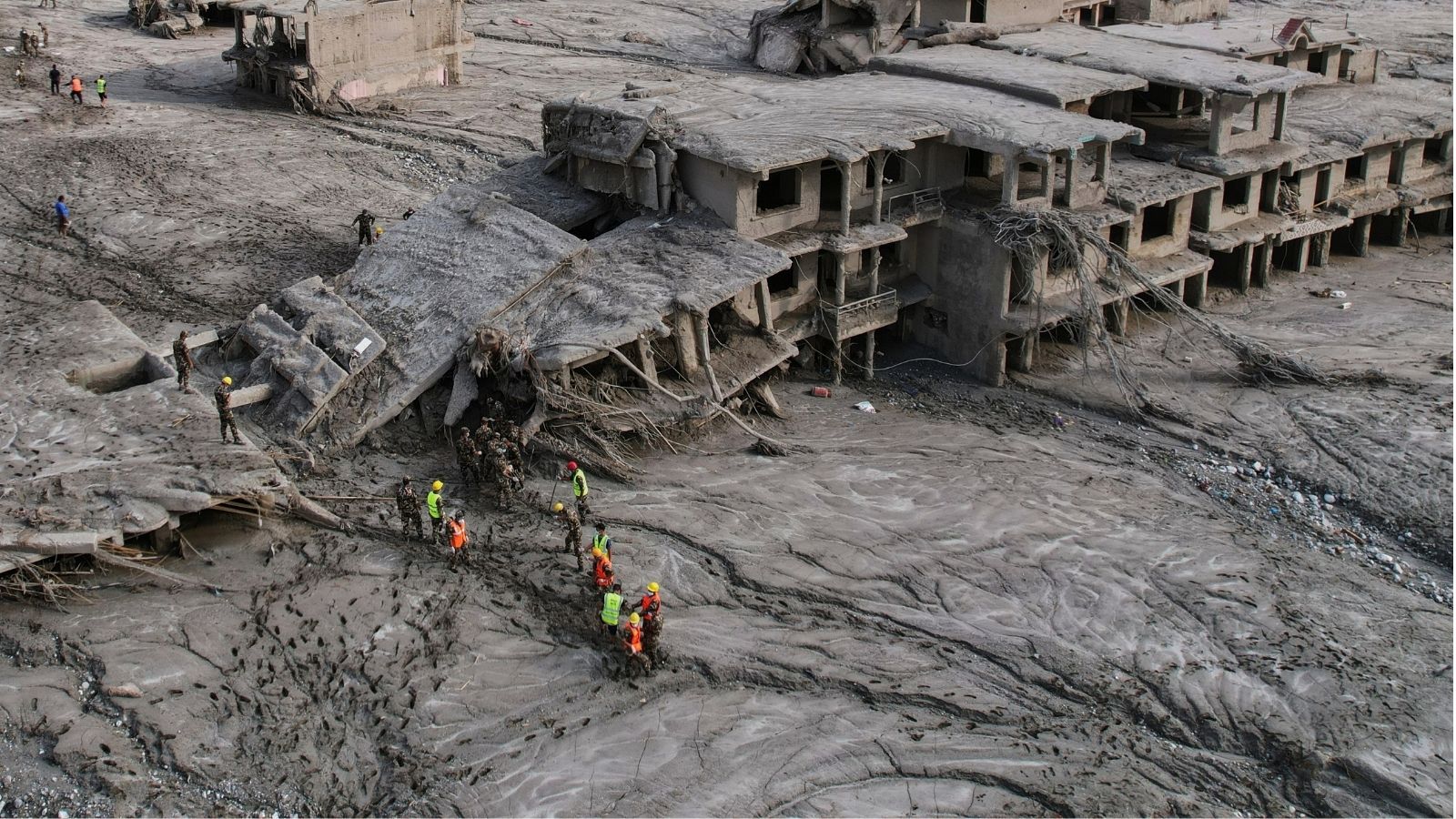
Nepal Flood Death Toll Reaches 682 as Rescue Efforts Continue
UN Mobilizes $2 Million After Nepal-China Flash Floods
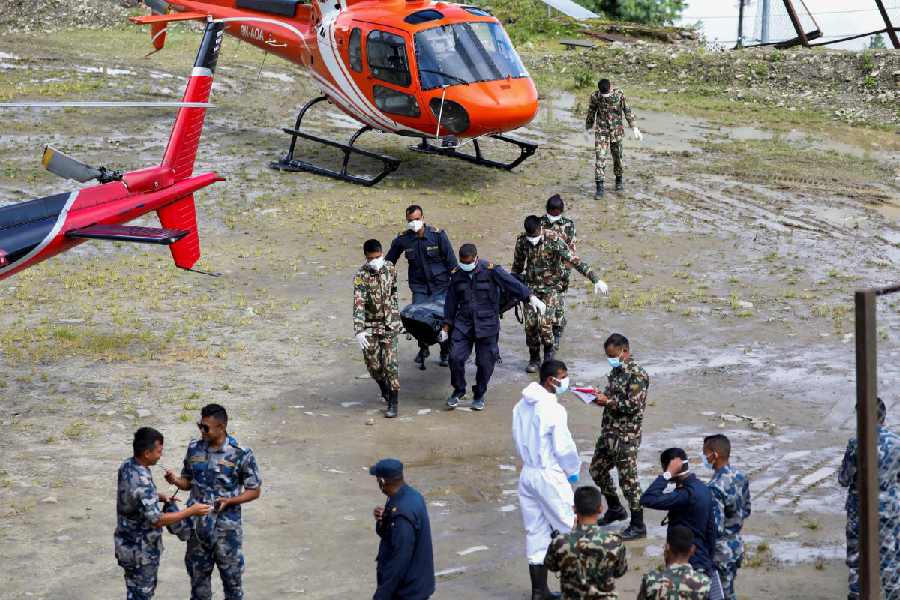
Nepal Plans New Landslide Warning System Along China Border

Nepal Thanks India as Glacial Disaster Rescue Efforts Continue
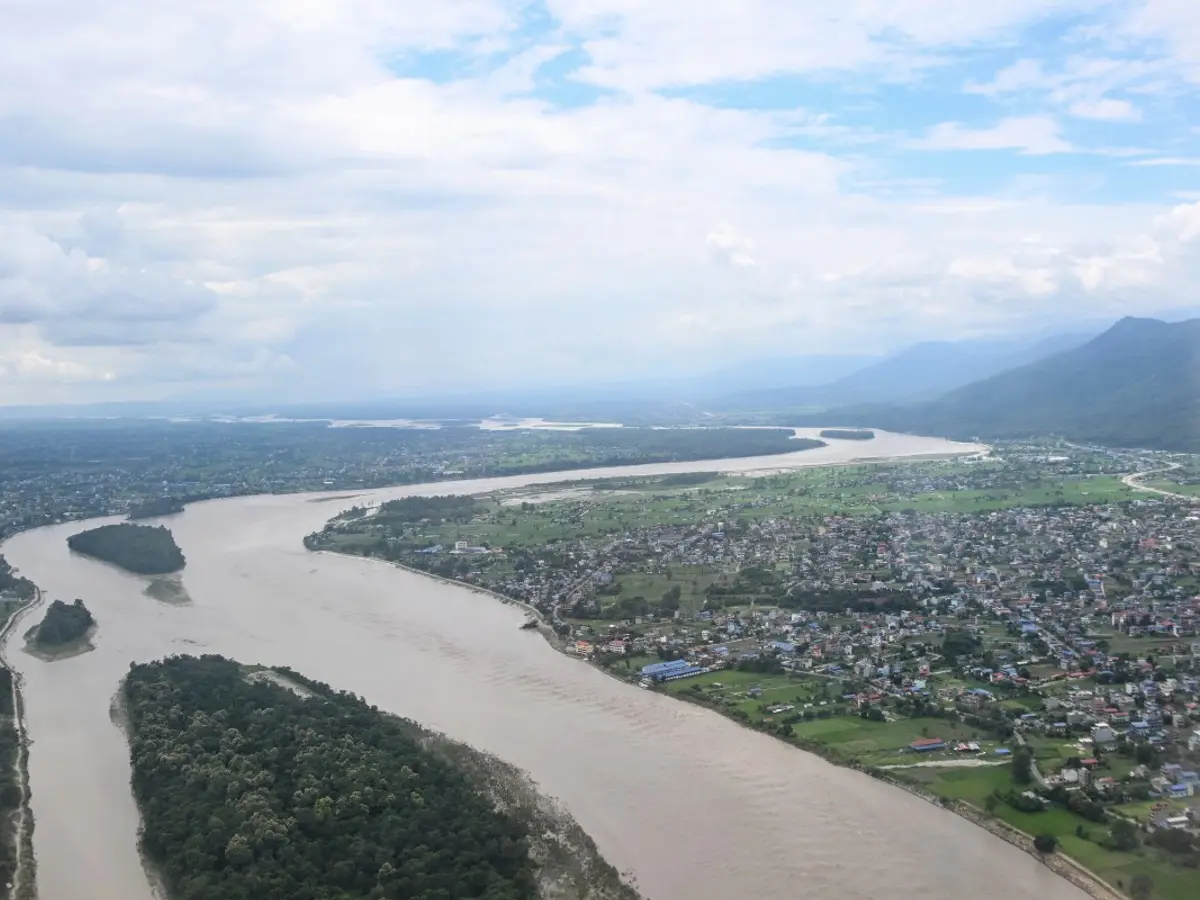
Nepal Warns of Heavy Rain After Deadly Floods
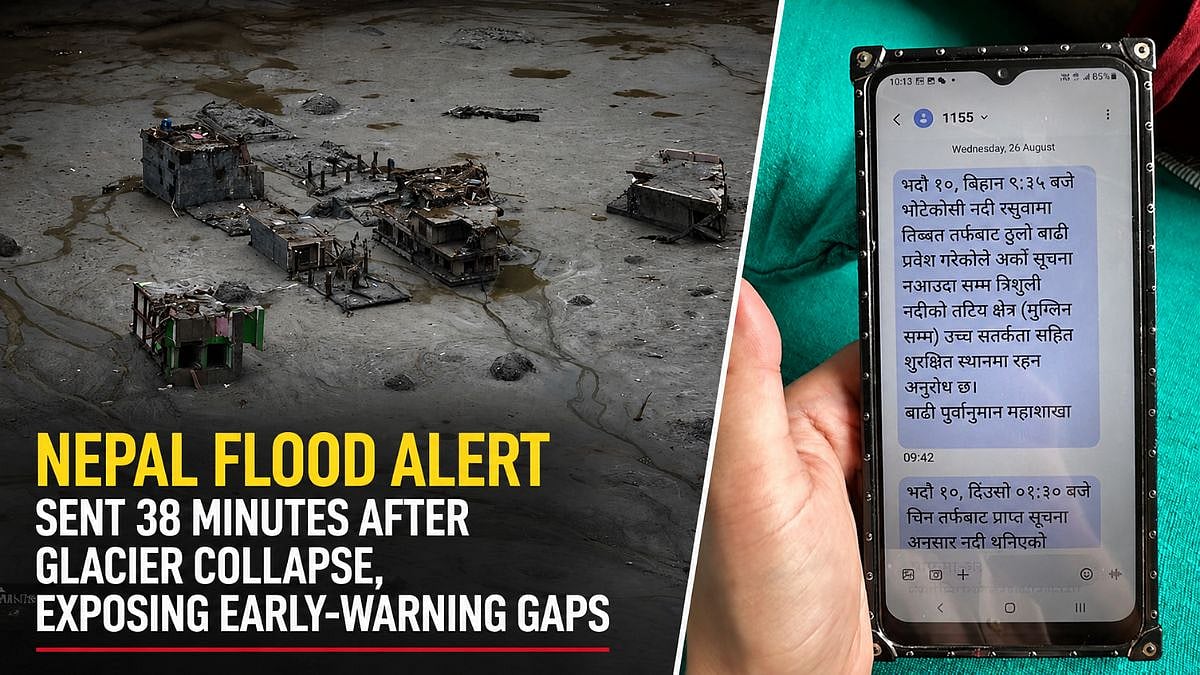
Nepal Flood Exposes Delayed Alerts and Cross-Border Warning Gaps
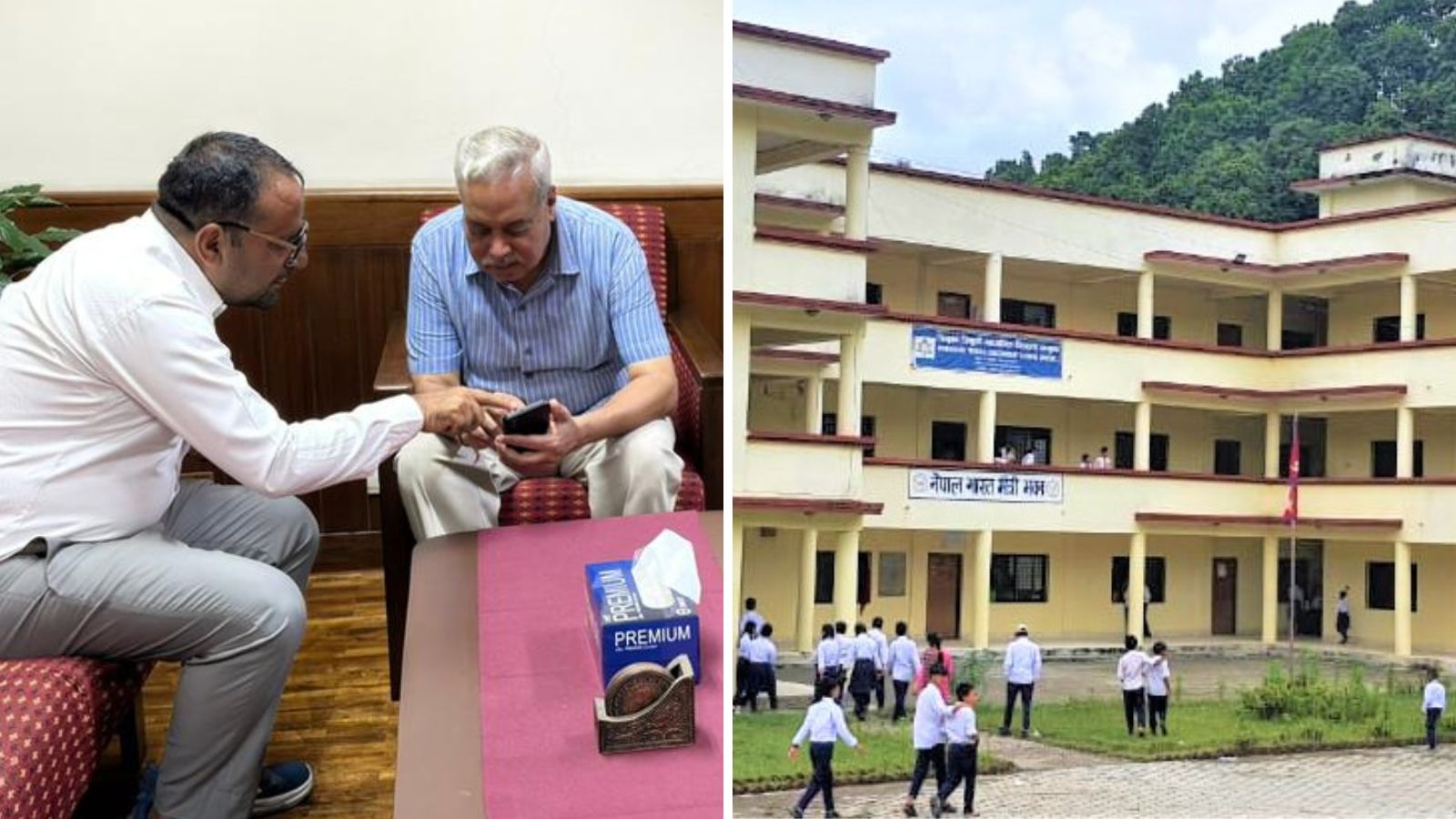
India to Rebuild Nepal School After Principal Saves 1,600