

1 month ago
Chefs reimagine Indian mithai in savoury fine-dining dishes

Chefs in India are taking traditional Indian sweets, called mithai, and turning them into savoury dishes for fine-dining restaurants.
They are using techniques that have been passed down for generations to create new and exciting dishes.
For example, one chef made a savoury version of a sweet called Mawa Khaja using Norwegian-style cheese and caviar.
Another chef created a dish inspired by a traditional Bengali kheer, topped with truffles.
These chefs are not only making new dishes but also recognizing the skill and expertise that goes into making traditional mithai.
They believe that these techniques should be taught in culinary schools alongside European pastry techniques.
Diners are also becoming more accepting of these innovative dishes, which transform familiar flavors into something new and exciting.
This trend raises questions about how to properly recognize and credit the halwais who have preserved these techniques for generations.

Chefs are reimagining traditional Indian mithai into savoury fine-dining dishes.
Techniques used in mithai-making are being recognized for their sophistication and expertise.
Fine-dining restaurants like Papa’s, Indian Accent, and Masque are leading this culinary innovation.
Diners are increasingly accepting of these innovative dishes that transform familiar flavors.
Questions arise about teaching halwai techniques in culinary schools and recognizing halwais' contributions.
- Who
- Chefs like Hussain Shahzad, Rijul Gulati, Gaggan Anand, and Varun Totlani.
- What
- Reimagining traditional Indian mithai into savoury fine-dining dishes.
- Where
- Fine-dining restaurants across India, including Mumbai and Goa.
- When
- Currently and in recent years.
- Why
- To innovate and evolve Indian cuisine, recognizing the sophistication of mithai techniques.
Traditionalists
Innovators
Preservation of Authenticity
Traditionalists
Believe in maintaining the original forms and flavors of traditional mithai, arguing that altering them diminishes their cultural significance.
Innovators
Argue that reimagining mithai allows for the evolution of Indian cuisine, making it more accessible and innovative in fine-dining settings.
Culinary Education
Traditionalists
Emphasize the importance of teaching classical pastry techniques from Europe in culinary schools, viewing them as more refined and sophisticated.
Innovators
Advocate for incorporating halwai techniques into culinary education, recognizing the sophistication and expertise required in traditional Indian mithai-making.
Recognition of Halwais
Traditionalists
May feel that the reimagining of mithai by fine-dining chefs does not adequately credit the halwais who have preserved these techniques for generations.
Innovators
Seek to recognize and integrate the knowledge of halwais into the fine-dining world, ensuring they are acknowledged and compensated for their contributions.
Key facts
- Chef Hussain Shahzad
- Creates savoury versions of traditional Indian sweets at Papa’s, Mumbai.
- Chef Rijul Gulati
- Develops savoury dishes inspired by mithai at Indian Accent, Mumbai.
- Chef Gaggan Anand
- Reimagines Bengali kalo jaam with duck pepper fry at Masque x Gaggan pop-up.
- Chef Varun Totlani
- Experiments with Indian desserts at Masque, Mumbai.
- Mithai Techniques
- Involve judging sugar by sight, caramelizing milk, and mastering delicate architectures.
- Culinary Schools
- Traditionally focus on French pastry and European baking, often overlooking halwai techniques.
- Diners' Acceptance
- Growing acceptance of innovative Indian fine-dining that transforms familiar memories.
Quotes
Varun Totlani
Chef at Masque restaurant in Mumbai
“"Unfortunately, Indian mithai gets a bad rep because our desserts are very sweet. Most people see the use of sugar as a bad thing and are not able to get past that."”
 livemint.com
Sources
Related news

North Korea denounces US-South Korea drills, vows stronger nuclear deterrence

Parul University, IIT Palakkad Patent E-Waste Innovation

Bishworjit Konthoujam Ends Vaibhav Sooryavanshi’s Duleep Trophy Debut

Xiaomi Unveils XRING O3 Ahead of Xiaomi 18 Fold Launch

Jindal Steel, IIT Hyderabad Establish Advanced Steel Centre

Joyalukkas Launches Primora Diamond Collection Worldwide
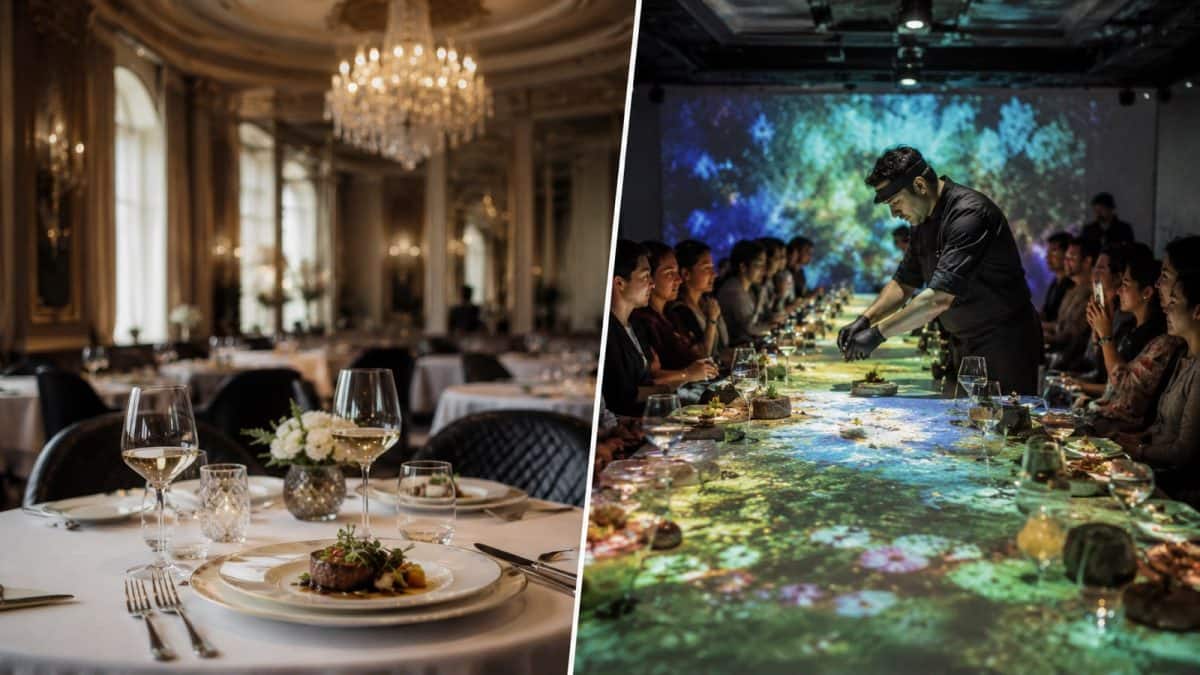
Indian Chefs Shift from Fine Dining to Experiential Dining Experiences

Maharashtra's Culinary Heritage Finds New Place On Modern Plate
