2 hrs ago
CAS Rollout Drives F&O Turnover to Multi-Month Low
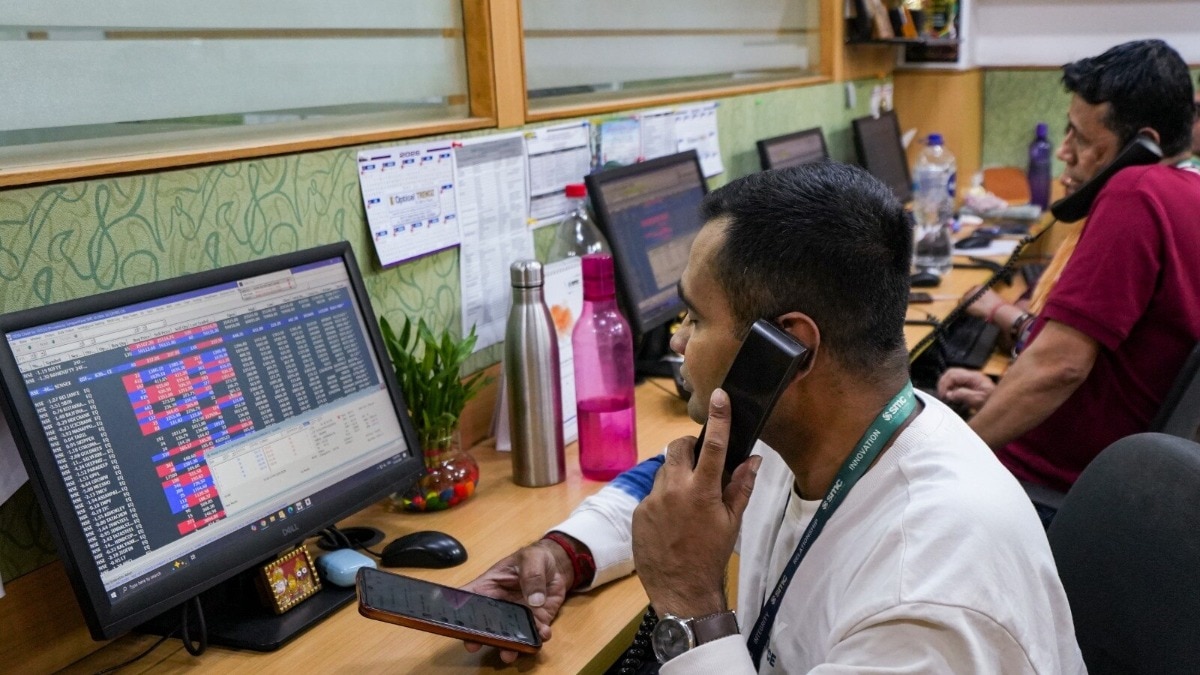
A new trading rule called CAS has changed how trading happens near the end of the day.
After the change, futures and options trading became much lower on average.
NSE’s August trading average fell by 9.77 percent from July.
The August figure was NSE’s lowest since February 2025.
An analyst said fast traders and strategies that depend on constant market activity were especially affected.
Brokers have also made automatic end-of-day position closing happen sooner.
Higher costs and stricter margin rules may have reduced short-term trading further.
The analyst expects trading activity to settle as traders and computer programs adjust to the new system.
The stated goal of CAS is to improve price discovery and reduce volatility at the end of the day.

The rollout of the closing auction session (CAS) pushed average daily F&O turnover to a multi-month low.
NSE’s average daily equity derivatives turnover fell 9.77% to Rs 1,93,34,505 crore in the August series.
NSE’s August turnover was its lowest since the February 2025 series, when it averaged Rs 1,84,47,403.29 crore.
Analyst Hitesh Tailor said high-frequency, proprietary arbitrage, index-options scalping and delta-hedging strategies were particularly affected.
In September’s first two trading sessions, average daily F&O turnover was Rs 1,30,43,750 crore on BSE and Rs 3,42,68,095 crore on NSE.
- Who
- The National Stock Exchange of India, BSE Limited, traders, brokers and analyst Hitesh Tailor of Choice Broking.
- What
- The rollout of CAS coincided with a sharp decline in average daily futures-and-options turnover, particularly affecting short-term and automated trading strategies.
- Where
- India’s equity-derivatives markets, including the National Stock Exchange of India and BSE Limited.
- When
- The decline was reported for the August series; September figures covered the first two trading sessions.
- Why
- The trading changes, tighter auto-square-off timelines, higher transaction costs and stricter margin requirements reduced or displaced some short-term participation; CAS is intended to improve price discovery and reduce end-of-day volatility.
Near-Term Trading Impact
Market-Structure Objective
Effect on trading activity
Near-Term Trading Impact
The CAS rollout has displaced trading volume and particularly affected high-frequency, proprietary arbitrage, index-options scalping and delta-hedging strategies.
Market-Structure Objective
As traders, brokers and execution algorithms adapt to the post-3:15 PM auction environment, F&O activity is expected to stabilise around a new normal.
Effect on market conditions
Near-Term Trading Impact
Higher transaction costs, stricter margin requirements and tighter intraday auto-square-off timelines have weighed on speculative leverage and shortened retail traders’ active window.
Market-Structure Objective
The broader objective of CAS is to improve price discovery and reduce end-of-day volatility.
Key facts
- NSE August F&O turnover
- Rs 1,93,34,505 crore average daily turnover
- NSE July F&O turnover
- Rs 2,14,29,872 crore average daily turnover
- NSE month-on-month change
- Down 9.77 percent in the August series
- NSE February 2025 turnover
- Rs 1,84,47,403.29 crore average daily turnover
- BSE September average
- Rs 1,30,43,750 crore after two trading sessions
- NSE September average
- Rs 3,42,68,095 crore after two trading sessions
- Analyst cited
- Hitesh Tailor, Technical & Derivative Analyst at Choice Broking
Quotes
Hitesh Tailor
Technical and Derivative Analyst at Choice Broking
“While these changes have caused some near-term displacement in trading volumes, the broader objective of CAS is to improve price discovery and reduce end-of-day volatility. As traders, brokers and execution algorithms adapt to the post-3:15 PM auction environment, F&O activity should gradually stabilise around a new normal.”
 businesstoday.in
“This impact was compounded by higher transaction costs and stricter margin requirements, which have already been weighing on speculative leverage and short-term participation.”
businesstoday.in
Sources
Related news

Cash Market Volumes Hit Five-Month Low Amid CAS Swings
NSE derivatives turnover falls below ₹200 lakh crore in August
Brokerage Stocks Fall 2.5% As Closing Auction System Triggers Volatility

Closing Auction Session Faces Volatility Despite Hopes For Stability

SEBI Keeps Closing Auction Session Unchanged Amid Expiry Volatility
Indian AI Platform Simplifies Market Intelligence for Retail Traders

Kanohar Electricals IPO Opens September 8 With Rs 300 Crore Fresh Issue

ESDS Software Solution IPO Draws 143 Times, GMP Signals Gains

Arcil IPO Opens September 9 at ₹132-139 Price Band