1 year ago
How Indian Traditions Shaped Carl Jung's Philosophy
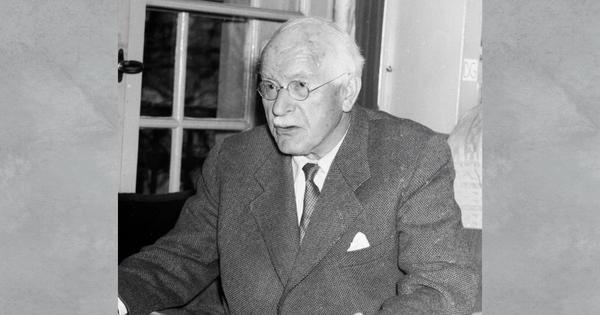
Carl Jung, a famous thinker, was inspired by ideas from India.
He believed the mind tries to find balance.
His dreams and studies of Indian art and texts, like mandalas, helped him develop his ideas.
He learned about the importance of accepting all parts of ourselves, even the ones we don't like.
Jung's ideas are still used today to understand ourselves and the world better, encouraging us to look within and embrace our whole selves.

Carl Jung's ideas, including archetypes and the collective unconscious, were influenced by Indian traditions.
Jung's mandala dream and his study of Hindu and Buddhist art shaped his theories on the psyche's quest for wholeness.
His interactions with Indian scholars and spiritual symbols deepened his understanding of concepts like individuation and the Shiva-Shakti dynamic.
Jung's encounter with the Tibetan Book of the Dead reinforced his belief that confronting the shadow is essential for growth.
Jung's work offers tools for self-reflection and inner transformation in today's polarized world.
- Who
- Carl Jung, psychiatrist, philosopher, and mystic.
- What
- Influence of Indian traditions and the mandala on Carl Jung's philosophy.
- Where
- Zurich, Switzerland (mandala dream), India (study of traditions).
- When
- 1927 (mandala dream), 1938 (India journey), July 27, 2025 (150th birth anniversary).
- Why
- To understand the impact of Indian traditions on Jung's theories and their relevance today.
Critics
Jung
Critiques
Critics
Tendency to romanticize Eastern traditions
Jung
N/A
Style of Writing
Critics
Dense and esoteric writing style
Jung
N/A
Key facts
- Birth Year
- 1875
- Main concept
- Individuation
- Influential text
- Tibetan Book of the Dead
- Mentor
- Sigmund Freud
- Key Dynamic
- Shiva-Shakti
Sources
Related news

Anasuya Bharadwaj’s Widowhood Questions Ignite Debate Over Tradition

Align Your Home Energy Through Your Door with Conscious Vaastu Guide

Physicist's Tribute Hails India as Greatest Nation on Earth

Hariyali Teej 2026: Shubh Muhurat, Vrat Vidhi And Significance
Why Hindus avoid onions and garlic during Sawan: tradition explained