16 hrs ago
Flydubai Co-Pilot Identified as US Builds Middle East Presence

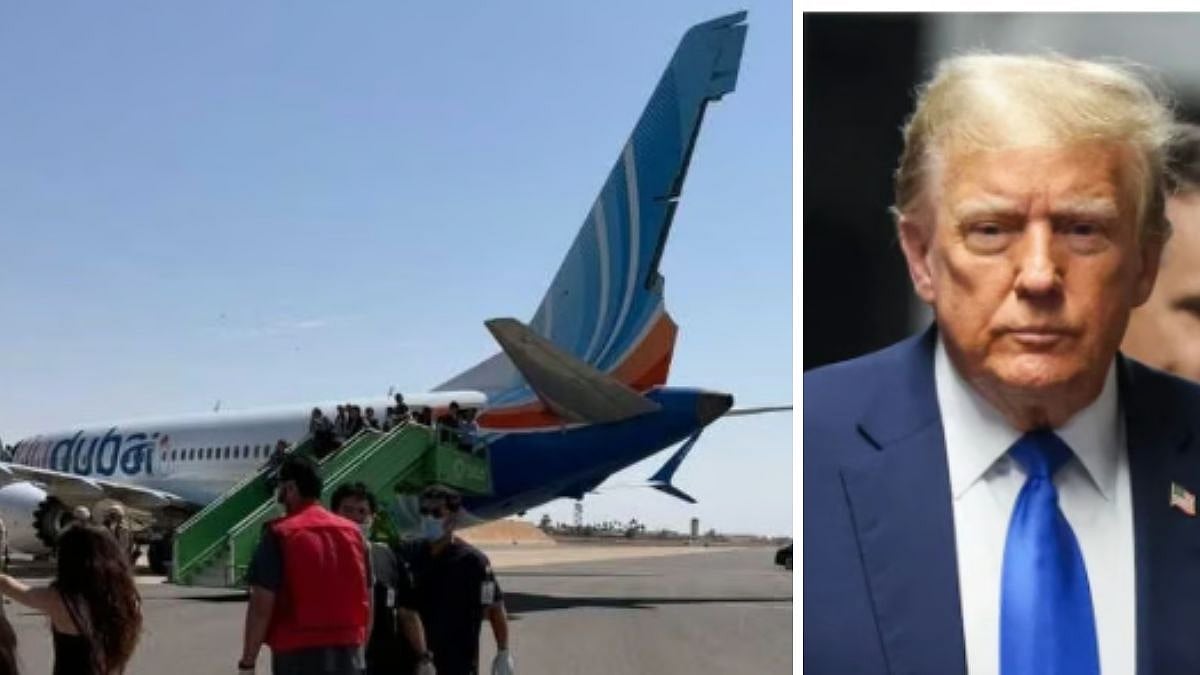
Reports say an Omani co-pilot named Hamam Al-Hammami is accused of attacking the pilot of a Flydubai plane.
The plane was flying from Dubai to Tel Aviv and had to land early in Saudi Arabia.
Investigators in the United Arab Emirates are examining what happened.
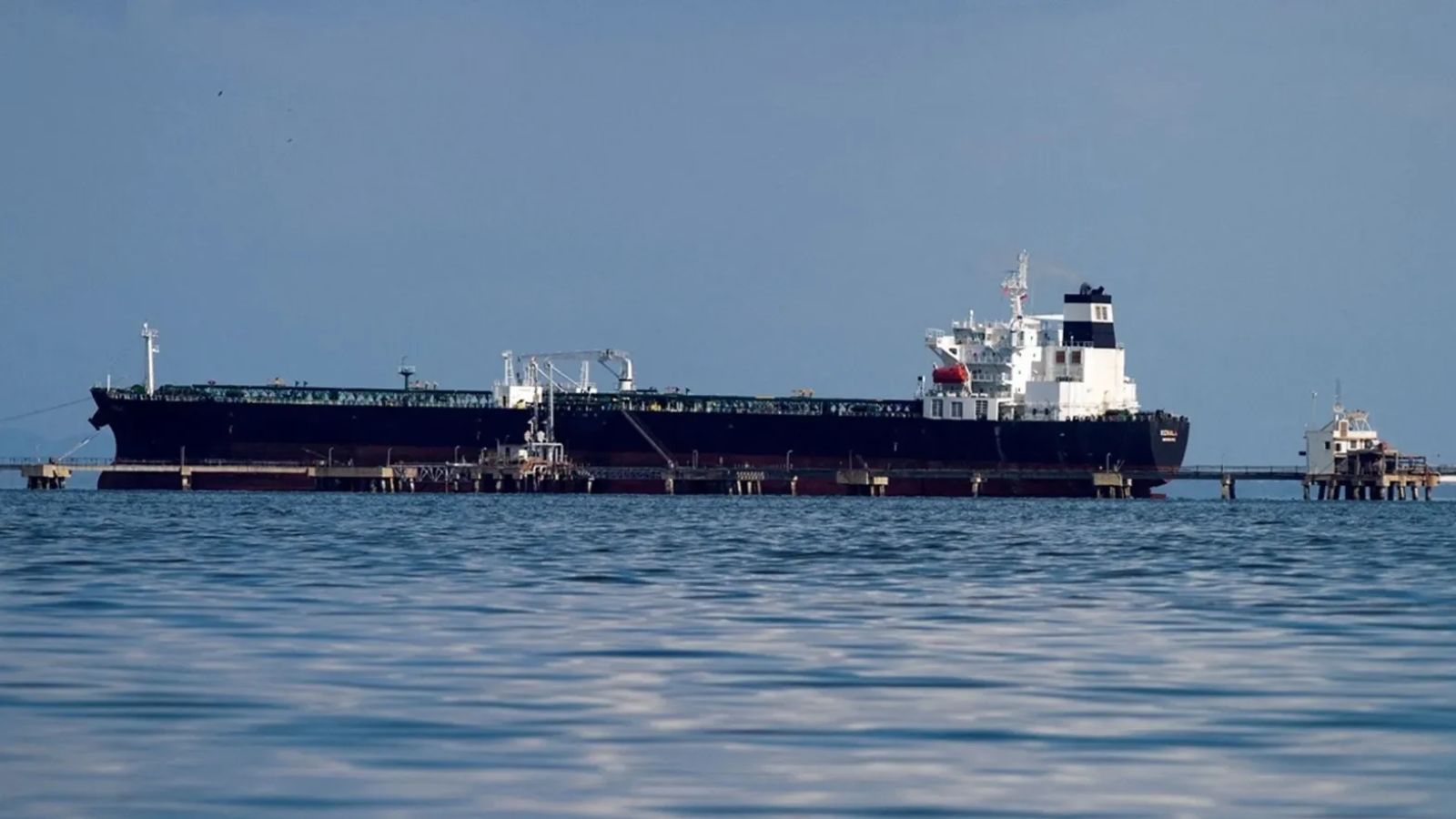
Separately, a maritime agency reported that two oil tankers near the Strait of Hormuz were hit by unknown projectiles.
The United States is sending another aircraft carrier and thousands more troops to the Middle East.
This is happening while tensions between the United States and Iran continue.
Oil prices are also affecting fuel costs in the United States.
Those costs are becoming an issue ahead of the 2026 midterm elections.

Al Arabiya, citing sources, identified the Omani co-pilot accused in the Flydubai cockpit attack as Hamam Al-Hammami.
The September 30 Dubai-to-Tel Aviv flight made an emergency landing in Saudi Arabia after the alleged attack on Indian captain Smit Machchhar.
A British maritime security agency said two oil tankers were struck by unidentified projectiles near the Strait of Hormuz.
The United States is deploying a third aircraft carrier and an additional 9,000 to 10,000 troops to the Middle East amid tensions with Iran.
Rising Brent crude prices and the conflict-related war premium are making fuel costs a political issue ahead of the 2026 US midterms.
- Who
- The reports concern Flydubai co-pilot Hamam Al-Hammami, pilot Captain Smit Machchhar, the United States, and two oil tankers.
- What
- An alleged cockpit attack, projectile strikes on tankers, and a US military buildup in the Middle East were reported.
- Where
- The flight was bound from Dubai to Tel Aviv and made an emergency landing in Saudi Arabia; the tanker incidents were near the Strait of Hormuz; the deployment is to the Middle East.
- When
- The flight incident occurred on September 30; the tanker report was issued Friday; the carrier USS Theodore Roosevelt reportedly left San Diego on September 27 and is expected in the region by mid-November.
- Why
- The US deployment is taking place amid tensions with Iran, as President Donald Trump weighs possible renewed strikes; the source links rising fuel prices to a conflict-related oil war premium.
Reasons and risks behind the military buildup
Concerns and consequences
US military deployment
Reasons and risks behind the military buildup
The United States is increasing its regional military presence amid continuing tensions with Iran.
Concerns and consequences
The report says President Donald Trump is weighing renewed strikes on Iran, while the conflict-related oil premium is contributing to higher fuel costs.
Key facts
- Identified co-pilot
- Hamam Al-Hammami, identified by Al Arabiya citing sources
- Flight incident date
- September 30
- Flight route and diversion
- Dubai to Tel Aviv; emergency landing in Saudi Arabia
- Tankers reported hit
- Two, by unidentified projectiles near the Strait of Hormuz
- US deployment
- A third aircraft carrier and an additional 9,000 to 10,000 troops
- USS Theodore Roosevelt
- Reportedly left San Diego on September 27 and is expected in the region by mid-November
- Election and oil context
- Brent crude and conflict-linked fuel costs are a political issue ahead of the 2026 US midterms
Sources
Related news
Five Indian Crew Evacuated After Kuwaiti Tanker Attack
Trump Warns Iran of Severe Response Over FlyDubai Attack
Flydubai Cockpit Attack Spurs Probe and Regional Travel Disruption

Omani Flydubai Co-Pilot Accused in Cockpit Attack

Netanyahu Says Flydubai Co-Pilot Underwent Islamist Radical Indoctrination
Trump Suggests Iran Link to Flydubai Mid-Air Attack
Young Sailors Adapt Aboard Carrier Amid Iran War

P K Mishra Warns Trade Measures Can Become Weaponised

Putin Proposes New India-Russia Trade Routes Amid Hormuz Risks

Mishra Says India Sustained Growth Amid Global Uncertainty