

4 hrs ago
J&K Government Reports Domestic Electricity Tariff Hikes in Assembly
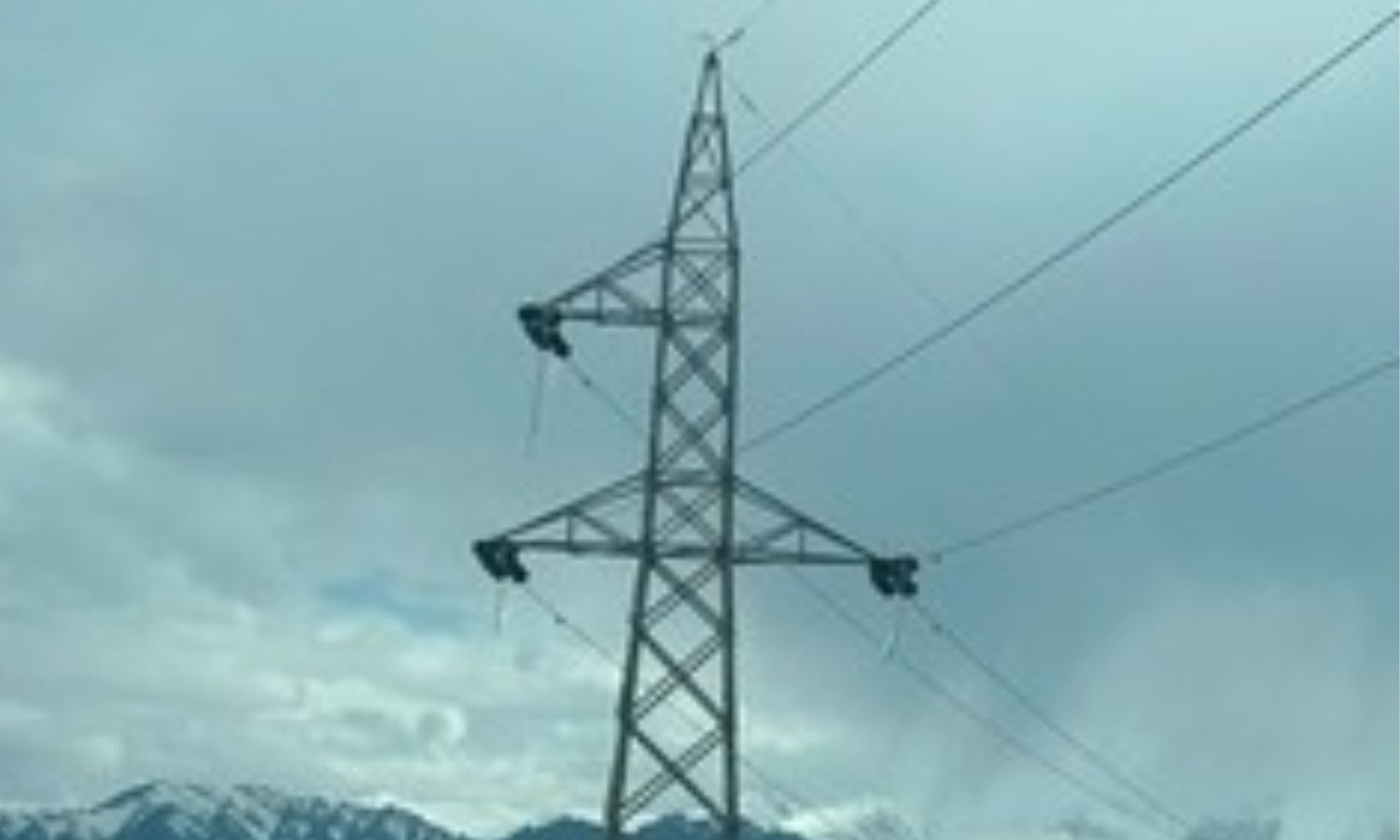
The Jammu and Kashmir government told lawmakers that electricity prices have gone up for most households.
The biggest increase is 25 paise for each unit of electricity in the highest usage group.
Some households will also pay a higher monthly charge based on their electricity connection size.
Rates for Below Poverty Line consumers using up to 30 units have not changed.
The government said electricity supply schedules are decided separately from electricity prices.
It said power cuts happen mainly when demand is higher than available supply or when repairs are needed.
About two-thirds of consumers now have smart meters.
People can complain about incorrect bills through local offices, a helpline or an online portal.
The government also said subsidies are available for eligible households installing rooftop solar panels.

Domestic electricity tariffs increased by up to 25 paise per unit for metered consumers and Rs 2 per kW for fixed charges.
Consumers using up to 200 units monthly will pay Rs 2.45 per unit, while those using 201–400 units will pay Rs 4.20.
The tariff for consumption above 400 units increased to Rs 4.60 per unit, but BPL rates remain unchanged.
The government said power cuts are caused mainly by demand-supply gaps, maintenance and breakdowns, not tariff changes.
About 66% of consumers have smart meters, while 714 feeders have been declared 24/7 feeders.
- Who
- The Jammu and Kashmir government, responding to MLA Mehraj Malik in the Legislative Assembly.
- What
- The government reported increases in domestic electricity tariffs and addressed questions about billing, power cuts, smart meters and rooftop solar subsidies.
- Where
- The Jammu and Kashmir union territory, in its Legislative Assembly.
- When
- The tariff comparison covers 2023-24 and the current tariff details; the reply was given on Tuesday. Spending figures cover 2024-25 and 2025-26.
- Why
- The tariff changes were reported as part of the government’s response to an Assembly question; the government attributed power curtailment to demand-supply gaps, maintenance and breakdowns.
Government Account
Consumer Concerns
Electricity pricing
Government Account
The government reported that tariffs were increased for most metered consumers, while rates for eligible BPL consumers using up to 30 units remained unchanged.
Consumer Concerns
Higher per-unit rates and fixed charges mean most affected domestic consumers will face increased electricity costs.
Billing accuracy
Government Account
The government said billing is automated and based on actual meter readings or sanctioned load, with complaints resolved through field verification.
Consumer Concerns
Consumers have complained about bills that do not match actual meter readings and can seek correction through DISCOMs, subdivision offices, a helpline or the online grievance portal.
Power cuts
Government Account
The government said curtailment is mainly caused by demand-supply gaps, maintenance and breakdown-related restoration, and is separate from tariff orders.
Consumer Concerns
The reply indicates that power cuts have continued despite smart-meter installation, prompting concerns about the reliability of electricity supply.
Key facts
- Highest metered tariff increase
- 25 paise per unit
- Fixed-charge increase
- From Rs 8 to Rs 10 per kW per month
- BPL tariff
- Rs 1.40 per unit for consumption up to 30 units monthly; unchanged
- Smart-meter coverage
- Around 66% of the consumer base
- 24/7 feeders
- Around 714 feeders
- Rooftop solar subsidy
- Combined assistance ranges from Rs 36,000 for 1 kW to Rs 94,800 for 3 kW and 5 kW systems
- Transformer transportation spending
- Rs 20.71 lakh in 2024-25 and Rs 16.36 lakh in 2025-26
Sources
Related news
Punjab Free Power Strains Finances and Raises Blackout Fears
CPM Opposes Extra Power Payments, Seeks Smart-Meter Cost Probe
Family Receives ₹1.43 Lakh Electricity Bill for Thatched Home
Uttar Pradesh Expands Rooftop Solar Under PM Surya Ghar Scheme

Delhi Revises Solar Policy With Free Rooftop Systems
INDIA Bloc To Debate Election Chief Removal, EVMs, SIR
J&K Assembly Withdraws MLA Pay Bills, Passes Pension Amendment

Jammu and Kashmir Assembly Withdraws Ministers’ Salary Bills
J-K Assembly Passes Business Bill as Omar Backs Capitalism