1 hr ago
Iran Plans Hormuz Shipping Corridor and Maritime Exclusion Zone
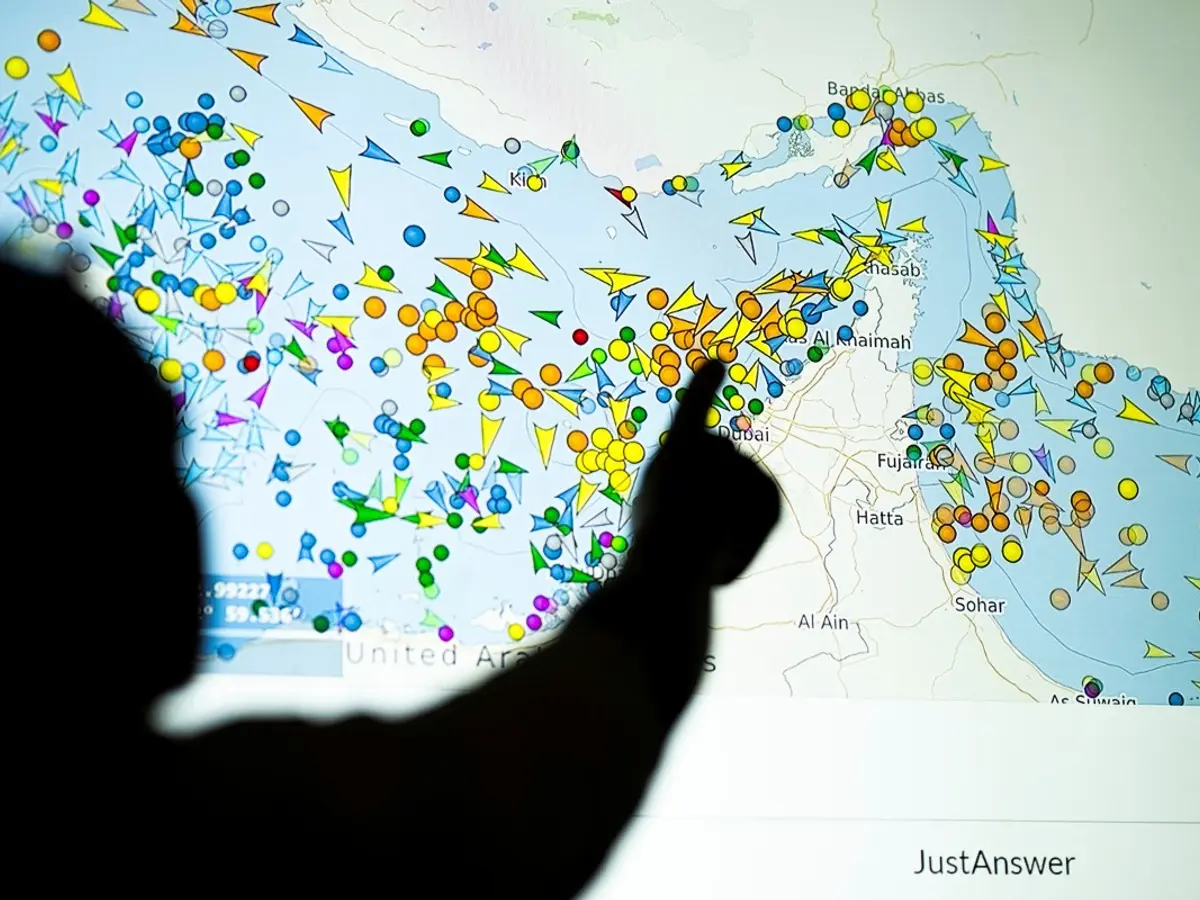
Iran and Oman are discussing a special route for ships traveling through the Strait of Hormuz.
The route would use waters controlled by both countries.
Iran says it would decide which ships can enter and leave.
Iran also wants to create a nearby restricted area.
Ships entering that area without permission could face Iranian sanctions or be denied passage.
Iran says it may not fully reopen the waterway unless the United States stops attacking Iranian targets.
These plans come after military clashes involving Iranian missiles, United States warships, and Iranian oil tankers.
The situation could affect shipping through an important regional waterway.

Iran expects to sign an agreement with Oman establishing a controlled shipping corridor through the Strait of Hormuz in the coming days.
The proposed routes would pass through Iranian and Omani territorial waters, with entry and exit managed directly by Tehran.
Mohsen Rezaei said Iran would not guarantee a full reopening unless the United States halts strikes against Iranian targets.
Iran also plans to designate a restricted maritime zone extending from the current United States naval blockade toward the Persian Gulf.
The announcements follow reported United States strikes on three Iranian oil tankers after Iran launched ballistic missiles toward United States warships.
- Who
- Iranian officials, including Mohsen Rezaei, are negotiating with Oman; United States forces and Iranian forces are also involved in the reported military tensions.
- What
- Iran plans a controlled shipping corridor through the Strait of Hormuz and a nearby maritime exclusion zone.
- Where
- The proposed corridor would pass through Iranian and Omani territorial waters, while the restricted zone would extend through the Strait of Hormuz into the Persian Gulf.
- When
- Iran expects to sign the corridor agreement in the coming days; the announcements followed military engagements over the weekend.
- Why
- Iran says the corridor would organize commercial vessel transit, while the exclusion zone would restrict unauthorized shipping amid heightened regional tensions and naval disruptions.
Key facts
- Proposed corridor
- A controlled commercial shipping route through the Strait of Hormuz.
- Negotiating parties
- Iran and Oman.
- Iranian control
- Tehran would directly manage entry and exit through the corridor.
- Proposed restricted zone
- A maritime exclusion zone extending from the current United States naval blockade through the strait and into the Persian Gulf.
- Potential penalties
- Unauthorized vessels could be placed on an Iranian sanctions list or denied passage.
- Condition for reopening
- Iran says it will not guarantee a full reopening unless the United States halts strikes against Iranian targets.
- Recent military events
- United States forces reportedly struck three Iranian oil tankers after Iran fired ballistic missiles toward United States warships.
Sources
Related news
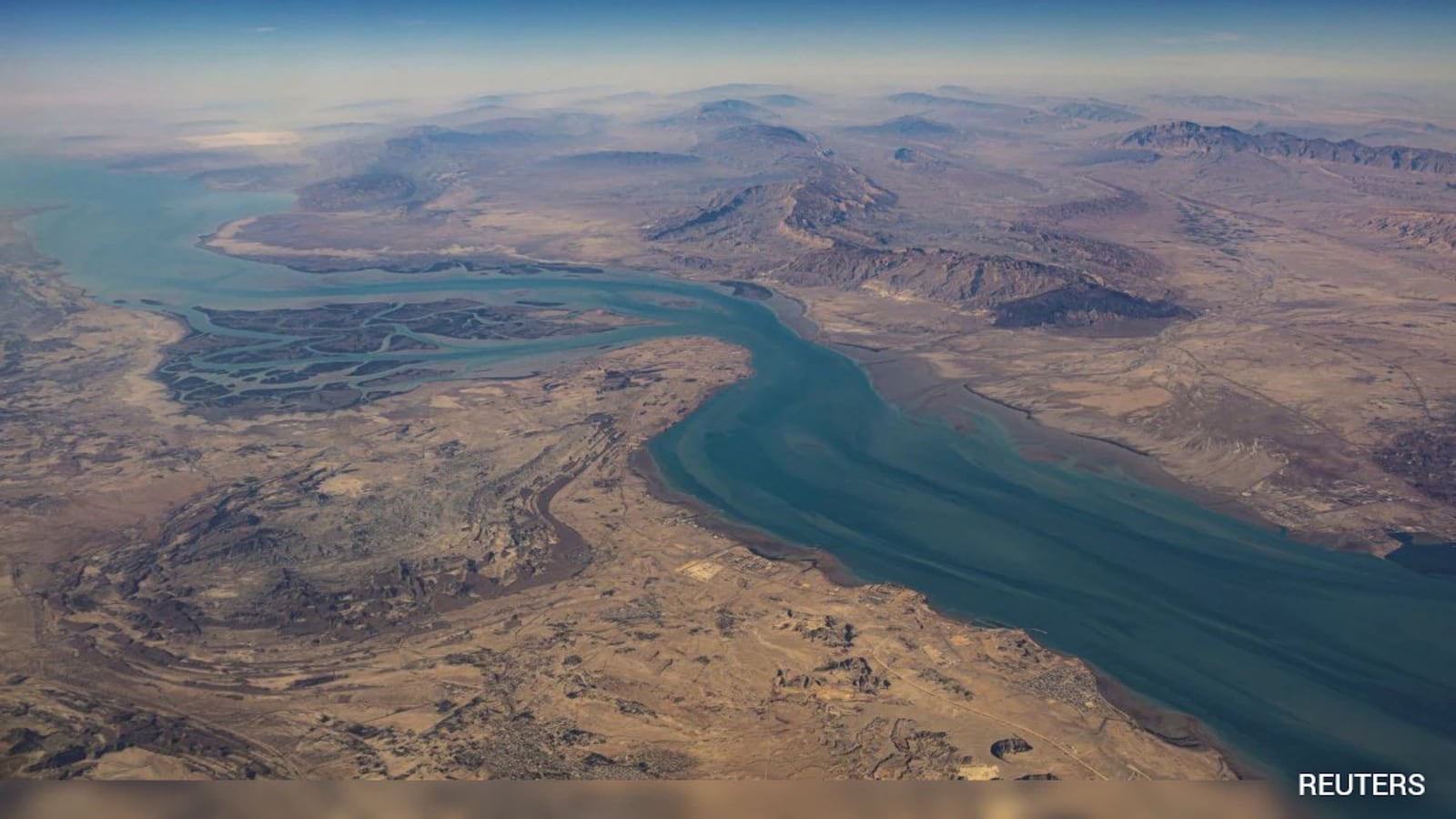
Iran Plans Hormuz Restricted Zone After US-Iran Sea Strikes

Iran Ties Hormuz Passage to End of US Threats

Iran Announces Prohibited Zone Near Strait of Hormuz
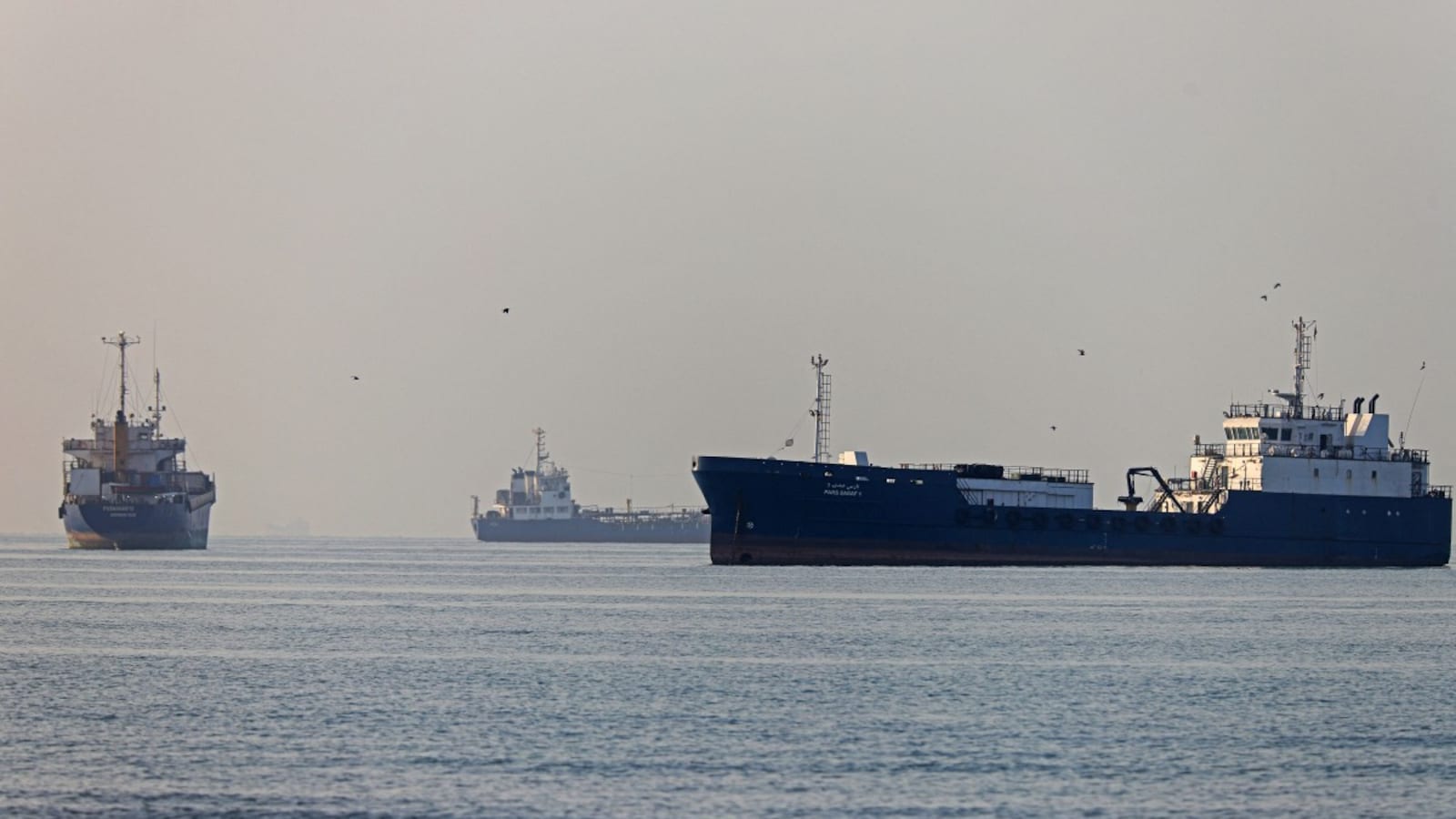
Iran and Oman Advance Interim Strait of Hormuz Corridor
Iran, Oman Finalise Hormuz Transit Deal Amid US Threats
Iran Sets Conditions for Reopening Strait of Hormuz

Sensex, Nifty Open Lower Amid IPO Rush, Middle East Tensions

Rupee Gains 4 Paise as Oil Prices Limit Recovery

Indian Fuel Rates Mostly Steady Despite Crude Oil Rise