8 hrs ago
Hegseth Orders Pentagon to Counter Foreign Election Meddling With AI

Defense Secretary Pete Hegseth told the Pentagon to help protect upcoming US elections from foreign interference.
The plan uses spies, computer-security teams and artificial intelligence.
The Defense Intelligence Enterprise will study possible threats.
US Cyber Command and the Department of Homeland Security will work together against cyberattacks.
The plan is aimed at foreign actors, not ordinary voters.
It does not send soldiers or National Guard members to polling stations.
It also does not allow the military to take voting machines.
Some critics are concerned because the administration has proposed cuts to certain election-security programs.

Defense Secretary Pete Hegseth directed the Pentagon to counter foreign interference in upcoming US midterms.
The September 22 memo orders intelligence, cyber and artificial intelligence capabilities to identify and address threats.
US Cyber Command will coordinate with the Department of Homeland Security against possible cyberattacks.
The directive does not authorize troops or National Guard personnel at polling places or the seizure of voting machines.
The order comes alongside proposed cuts to some election-security programs, including funding for CISA.
- Who
- US Defense Secretary Pete Hegseth directed the Pentagon, including the Defense Intelligence Enterprise and US Cyber Command, to act against foreign election threats.
- What
- The Pentagon was ordered to use intelligence, cyber and artificial intelligence capabilities to detect and counter foreign interference in the US midterms.
- Where
- The measures apply to US election systems and involve coordination between federal, state and local authorities.
- When
- Hegseth signed the directive on September 22; the effort concerns upcoming midterm elections.
- Why
- The stated purpose is to prevent foreign actors from interfering in elections and launching cyberattacks.
Supporters of the directive
Critics and concerned observers
Role of the Pentagon
Supporters of the directive
Supporters say federal intelligence and cyber capabilities are necessary to identify and disrupt foreign threats to elections.
Critics and concerned observers
Critics point to concerns about expanded military involvement in election matters, particularly after President Donald Trump declined to rule out military involvement at polling places.
Election-security priorities
Supporters of the directive
The administration says protecting elections from foreign interference is a fundamental mission and is directing resources toward threats and alleged voter fraud investigations.
Critics and concerned observers
Critics note that the administration has reduced or proposed cuts to some election-security programs, including funding for the Cybersecurity and Infrastructure Security Agency.
Limits of the order
Supporters of the directive
The Pentagon says the directive focuses on foreign threats and does not deploy troops, seize voting machines or authorize military action at polling stations.
Critics and concerned observers
Concerns remain because Trump previously regretted not ordering the National Guard to seize voting machines and his allies had proposed using Defense Department and National Security Agency intelligence after the 2020 election.
Key facts
- Directive signer
- US Defense Secretary Pete Hegseth
- Directive date
- September 22
- Primary focus
- Detecting and countering foreign interference in upcoming US midterms
- Capabilities
- Intelligence, cyber tools and artificial intelligence
- Coordination
- US Cyber Command will work with the Department of Homeland Security
- Polling places
- The directive does not authorize military or National Guard deployment at polling stations
- Election-security concern
- The administration has proposed reducing funding for the Cybersecurity and Infrastructure Security Agency
Sources
Related news

Top US general says no troops at midterm polling sites

Researchers Warn of Fresh Russian Midterm Election Meddling
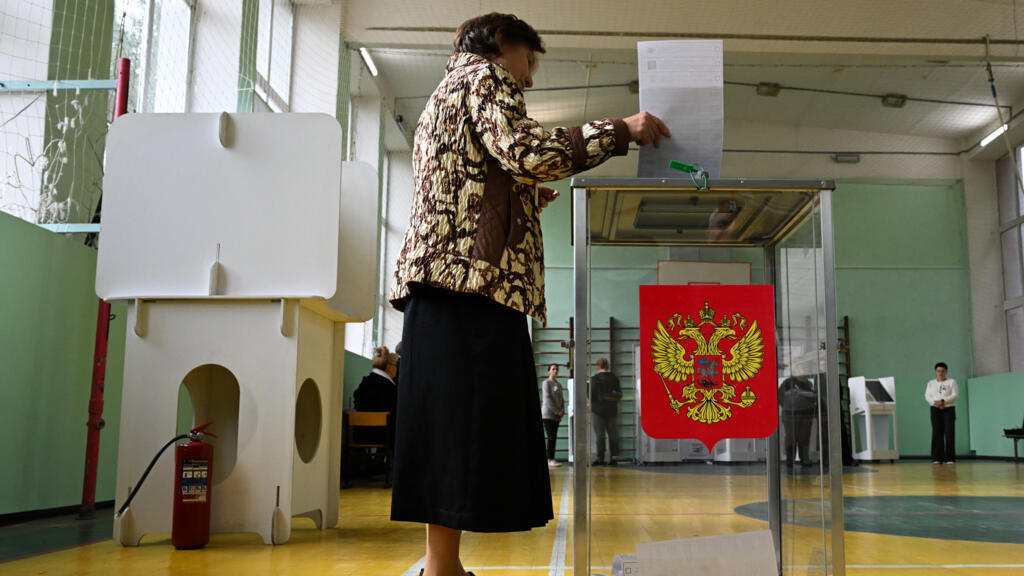
Russia Reports Over 1,000 Election Cyberattack Waves
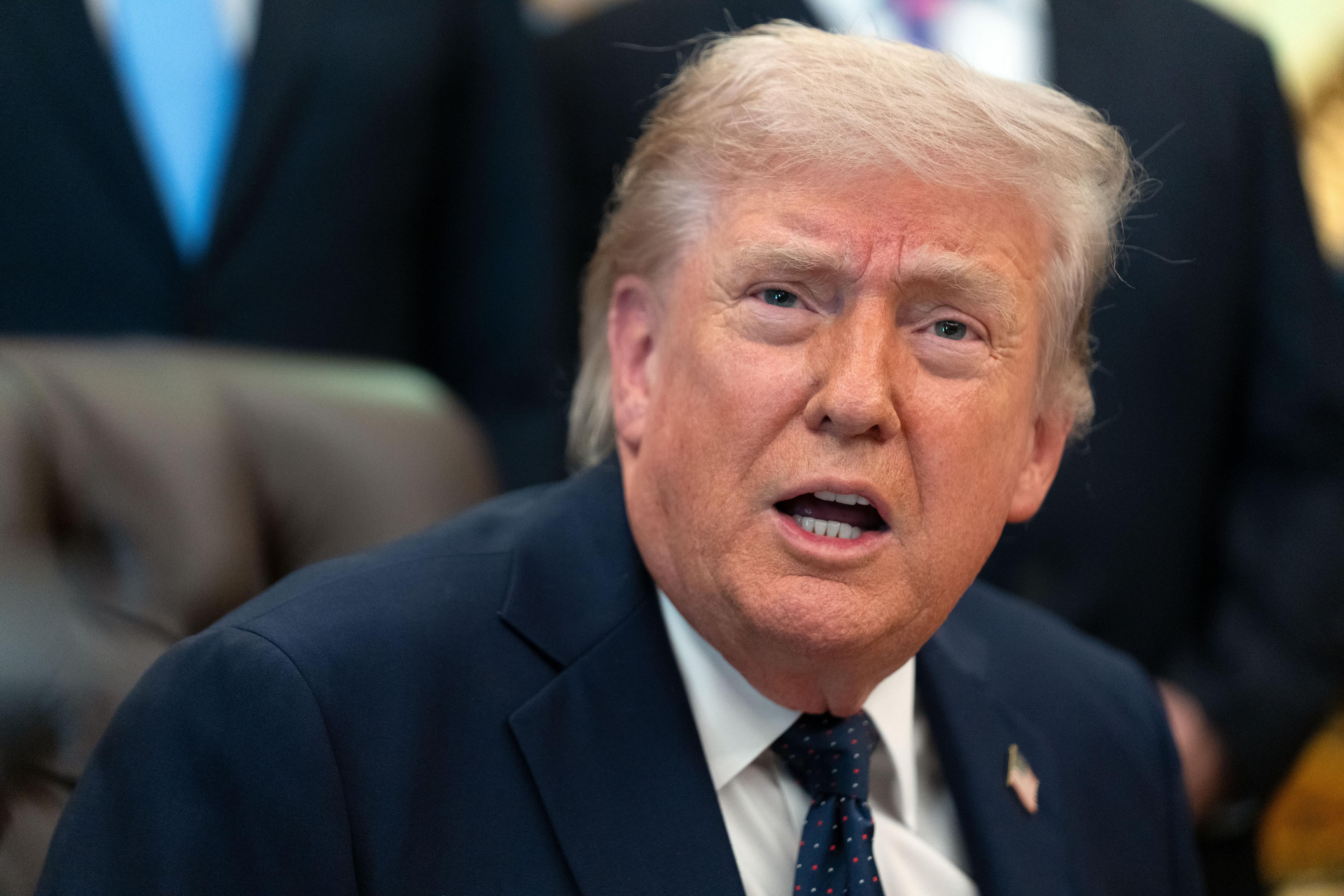
Judge Blocks Trump Election Conditions on Counterterrorism Grants

Republican Lawmaker Seeks Hegseth Impeachment Over Iran War
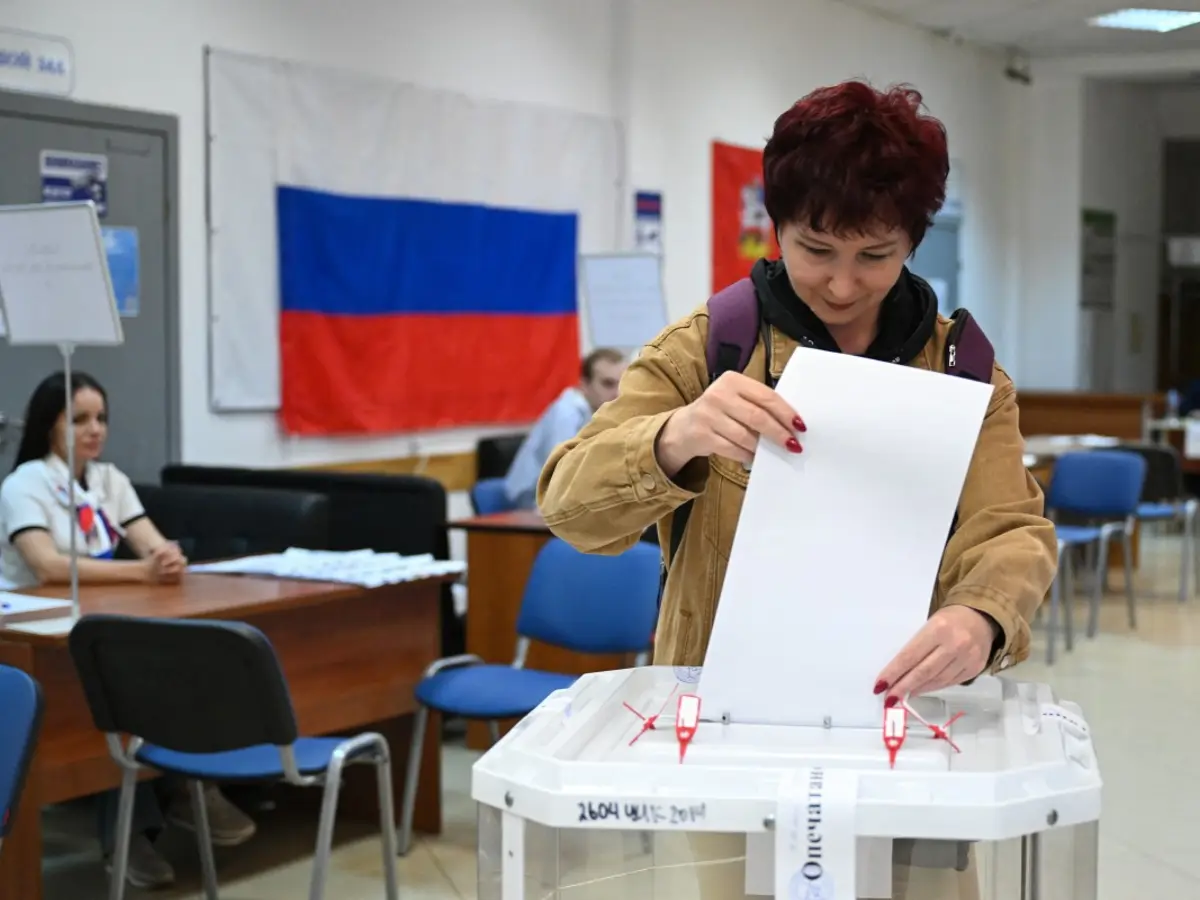
Russia Reports Powerful Cyberattacks During Second Day Of Parliamentary Election

Smriti Nambiar wins silver at WorldSkills Shanghai 2026

Arunachal Chief Minister Frames Siang Project As National Security Initiative

China Leads Asian Games Medal Tally After Day 10

Trump’s AI Summit Faces Safety, Competition and Regulation Questions

Four Indian Women Reclaim Asian Games 4x400m Relay Gold