

1 week ago
UPSC Weekly Quiz Tests Ten Key Current Affairs Topics
This article is a practice quiz for people preparing for India’s civil service examination.
It contains ten questions based on important news from August 16 to August 22.
The topics include sugar, ethanol, the United Nations, courts, satellites, history, medicine and wildlife protection.
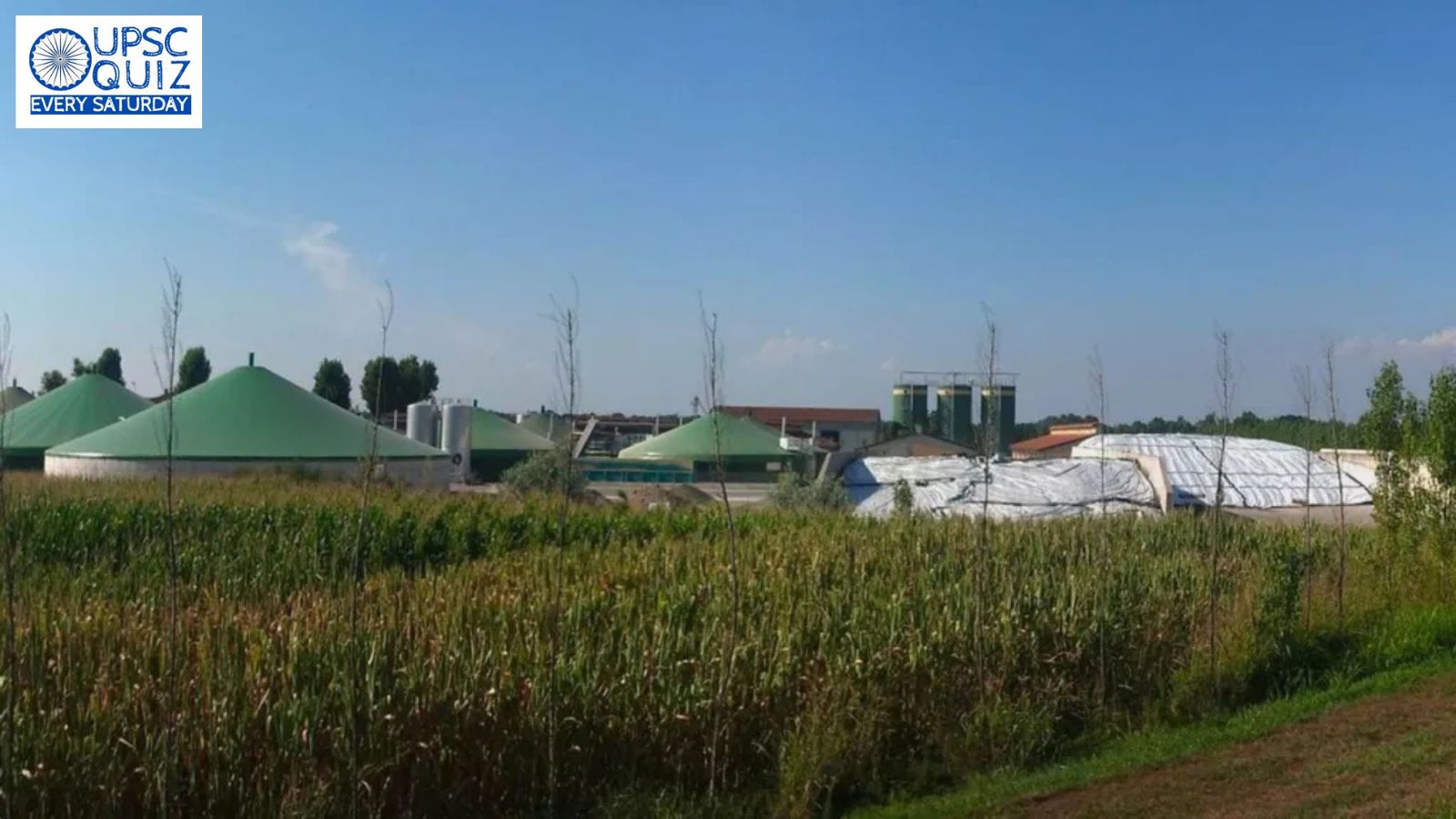
One question explains that the government blamed higher sugar prices on supply and demand problems rather than ethanol production.
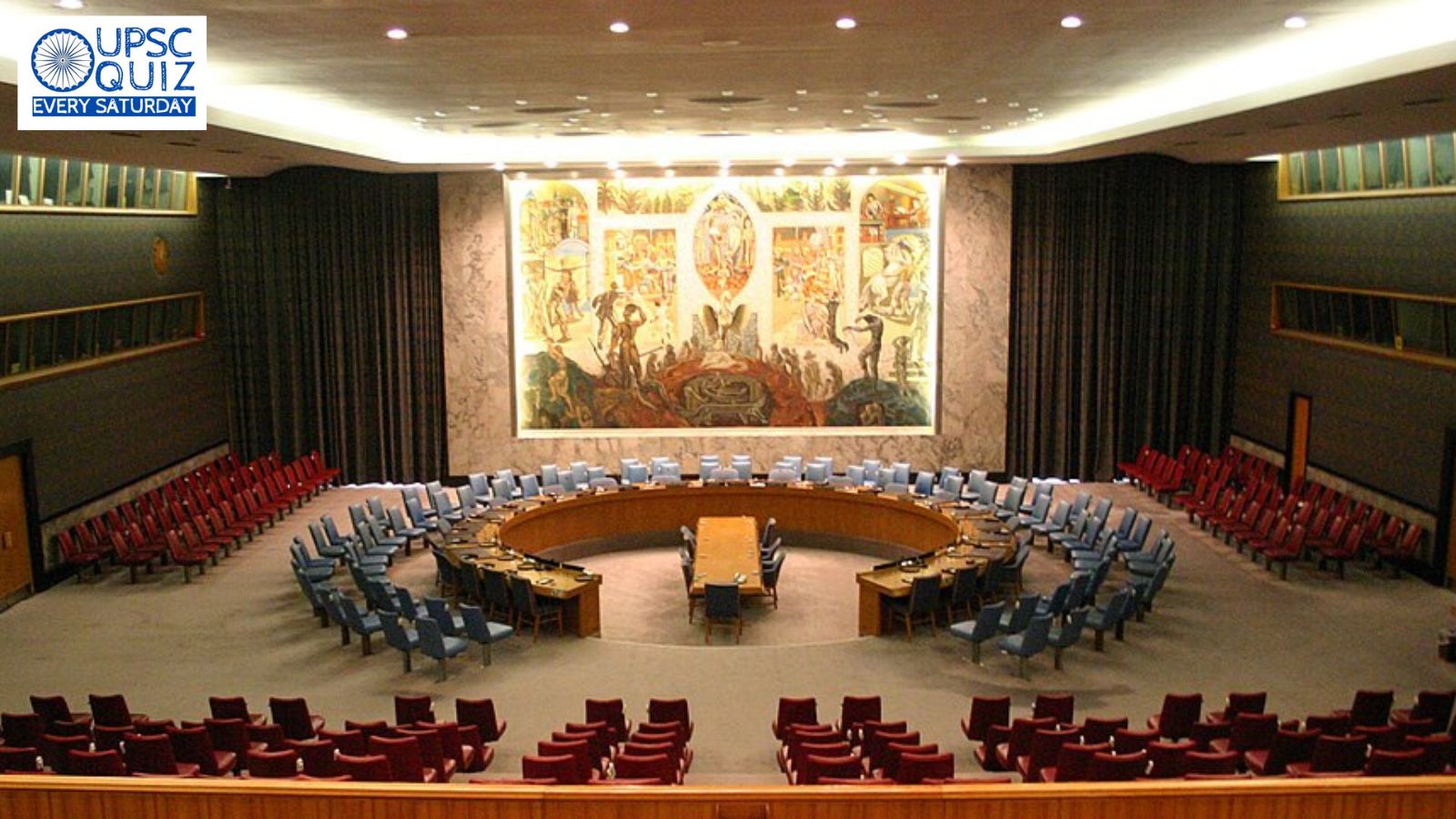
Another describes how the United Nations groups countries into regional blocs.
The quiz also discusses court rules for entering the lower judiciary and the constitutional idea of dying with dignity.
It explains that satellite services in India must use local gateways and describes a new gene-editing treatment for bad cholesterol.
The final questions cover India’s maritime initiative and international rules for trading wildlife.
Each question includes an answer and an explanation to help students learn the concepts.

The quiz covers ten current-affairs questions on economy, international relations, law, science, history, defence and environment.
The government said sugar diversion for ethanol was not responsible for higher sugar prices, citing lower output, festive demand, weather damage, global supply constraints and hoarding.
Questions examine United Nations regional groups, the Shetty Commission, Article 21, satellite communication gateways and the Treaty of Rawalpindi.
The quiz explains that Vaishya Tekri is a Mauryan-era Buddhist monument in Madhya Pradesh, while VERVE-102 is an in vivo gene-editing therapy targeting LDL cholesterol.
It also tests the non-treaty nature of the Indo-Pacific Oceans Initiative and the three-Appendix structure and national implementation system of CITES.
- Who
- UPSC aspirants, along with Indian government ministries, courts, international organisations and institutions mentioned in the ten questions.
- What
- The Indian Express UPSC weekly current-affairs quiz presents ten multiple-choice questions with detailed explanations.
- Where
- The topics concern India, the Indo-Pacific, Afghanistan, the United Nations and international wildlife-trade rules.
- When
- August 16–22; the accompanying material also references the August 2026 current-affairs cycle and Prelims 2027 preparation.
- Why
- To help competitive-examination candidates build conceptual understanding and prepare for UPSC Civil Services Prelims 2027.
Official or institutional positions
Critics or alternative interpretations
Cause of higher sugar prices
Official or institutional positions
The government attributed higher prices to lower domestic production, festive-season demand, weather and disease damage, tightening global supplies, speculation and hoarding, rather than ethanol diversion.
Critics or alternative interpretations
The issue arose amid suggestions that diverting sugar for ethanol production had reduced sugar availability and contributed to price increases; the government rejected that explanation.
Execution method and dignity
Official or institutional positions
The Supreme Court upheld hanging as a constitutionally valid method of executing a death sentence and described the right to die with dignity as flowing from Article 21.
Critics or alternative interpretations
A public-interest litigation petition argued that hanging is scientifically unreliable and violates the right to a dignified death under Article 21.
Status of the Durand Line
Official or institutional positions
Britain interpreted Afghanistan’s acceptance of earlier border arrangements under the 1919 Treaty of Rawalpindi as reaffirming the Durand Line.
Critics or alternative interpretations
Kabul has argued that the 1893 arrangement created a buffer zone rather than a permanent border; the article notes that the original text contains no expiry date.
Key facts
- Quiz scope
- Ten current-affairs questions with explanations for UPSC Prelims 2027.
- Ethanol and sugar
- The share of sugar used for ethanol was described as declining from about 12% in 2022–23 to around 9% in 2025–26.
- UN regional groups
- The United Nations regional groups listed in the explanation are Asia, Africa, Latin America, Eastern Europe, and Western Europe and Others.
- Satellite gateways
- Indian gateways are satellite earth-station facilities located in India that connect satellite constellations with domestic telecom networks.
- Vaishya Tekri
- The site is described as a Mauryan-period monument in Madhya Pradesh, with excavations reported in 1938–39.
- VERVE-102
- The therapy is an in vivo gene-editing treatment intended to permanently switch off the PCSK9 cholesterol-related gene in liver cells.
- CITES
- CITES uses three Appendices, while each participating country designates its own Management Authority and Scientific Authority.
Sources
Related news
UPSC Weekly Current Affairs: Environment, Diplomacy, Defence and Economy
UPSC Weekly Current Affairs Quiz Tests 2027 Aspirants' Knowledge
UPSC Weekly Quiz: 10 Current Affairs Questions for Prelims 2027
UPSC Key Covers SCO, Electoral Rolls, Economy, Defence and Climate
UPSC Key: Gene Therapy, Tribunals, Nuclear Rules and Trade
UPSC Current Affairs: India’s Diplomacy, Economy, Law and Policy
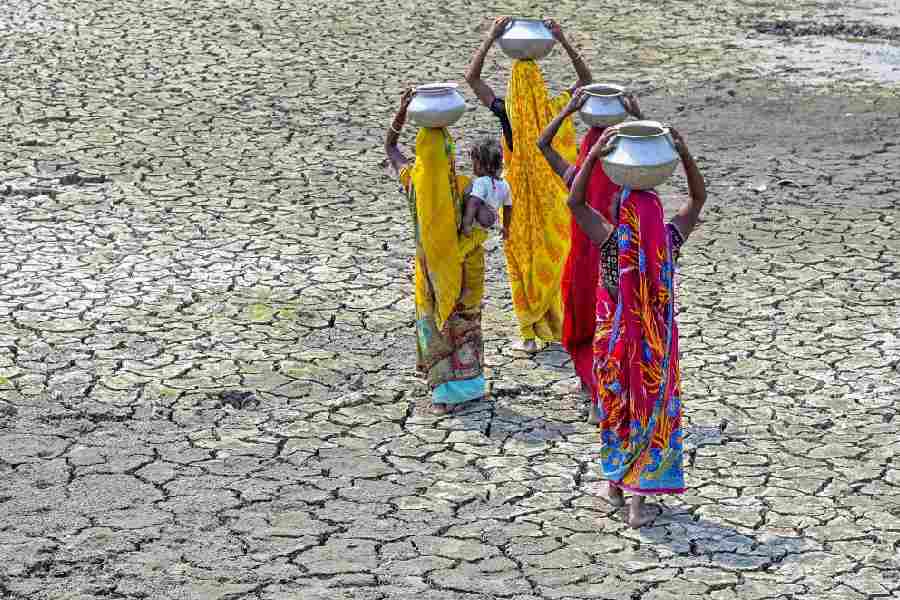
Gujarat Congress Seeks Drought Relief as Rainfall Deficits Persist

The Indian Districts Dominating Exports Across Product Categories

AI Expansion Puts Jamnagar and Thane Under Water Stress
Vadodara-Mundra Air Taxi Launches Faster Connectivity Between Industrial Hubs
Ravindra Jadeja’s Journey From Exclusion to ₹120 Crore Fortune
