1 hr ago
Madhya Pradesh's Delayed Response to Tribal Measles-Malaria Outbreak
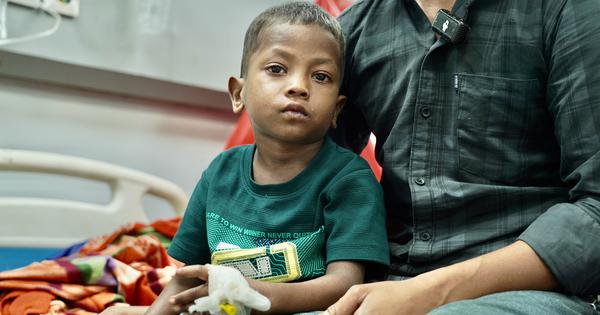
Many children in remote villages of Madhya Pradesh became very sick with fever, rashes and vomiting.
At least 25 children died, although officials gave a higher figure of 29.
The illness appeared to involve measles and malaria, but the exact cause of each death could not be confirmed.
Most children had not been vaccinated against measles.
Many families first went to faith healers because they did not trust government hospitals.
The villages were difficult to reach, and several health-worker positions were vacant.
Government teams arrived only after many children had already become ill or died.
They then tested children, sent some to hospitals and began wider health checks.

At least 25 tribal children reportedly died in remote Balaghat villages, though officials and the local legislator cited 29 deaths.
The deaths began in May among Baiga and Gond communities, with many children receiving no medical treatment.
Testing found measles in 17 of 64 serum samples and malaria parasites in 50 of 96 samples.
Health teams acted after the ninth reported death on July 22, eventually surveying affected villages and urging hospital treatment.
Officials cited poor vaccination, malnutrition, absent health workers and distrust of hospitals as factors behind the outbreak’s spread and delayed care.
- Who
- Children from the Baiga and Gond tribal communities, their families, local health workers and Madhya Pradesh officials were involved.
- What
- A suspected measles and malaria outbreak caused at least 25 reported child deaths, with officials citing 29 deaths.
- Where
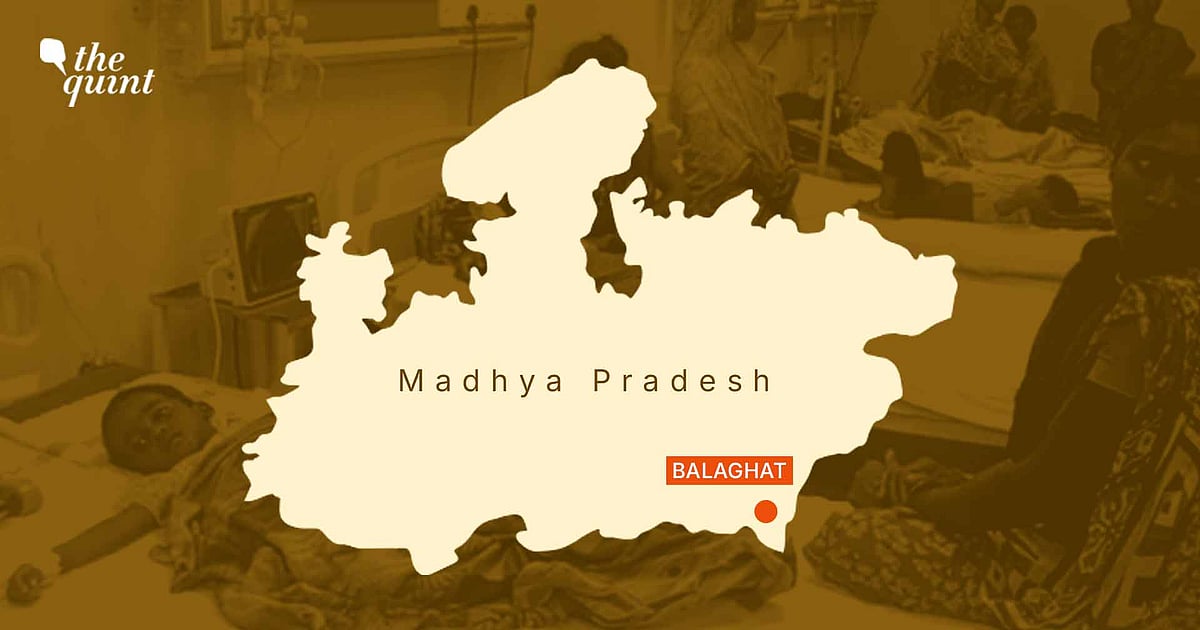
- The outbreak affected remote villages in the Birsa block of Balaghat district, Madhya Pradesh, near the Chhattisgarh border.
- When
- The first reported deaths occurred in May; the response began after July 22, and broader health operations continued through August.
- Why
- Low measles vaccination, possible malnutrition and malaria, limited healthcare access, missing health workers, difficult terrain and distrust of hospitals allowed illness to spread and delayed treatment.
Residents and Critics
Officials and Researchers
Reason for the delayed response
Residents and Critics
Residents and local critics said the government health system was largely absent, with villages lacking roads, doctors and ASHA workers; some deaths were not reported by local officials.
Officials and Researchers
Officials said difficult terrain, earlier Naxal activity, untrained health workers and families’ resistance to hospitalisation contributed to the delay.
Trust in healthcare
Residents and Critics
Families said they distrusted government hospitals and reported being treated disrespectfully, leading them to seek panda pujaris or hide from health teams.
Officials and Researchers
Health officials said reliance on faith healers and parents taking children out of hospital wards made treatment and containment more difficult.
Nature of the outbreak
Residents and Critics
Residents described an unusual wave of illness and deaths that spread across their villages without timely assistance.
Officials and Researchers
Testing and expert assessments indicated measles and malaria infections, sometimes occurring together, but officials could not definitively establish the cause of the deceased children’s deaths because they had been buried.
Key facts
- Affected area
- Birsa block, Balaghat district, eastern Madhya Pradesh
- Communities affected
- Baiga and Gond tribal communities
- Reported deaths
- Health records cited 25 deceased children; officials and the local legislator cited 29
- Laboratory findings
- Measles was detected in 17 of 64 serum samples, while malaria parasites were found in 50 of 96 samples at Jabalpur Medical College
- Initial response
- The health department acted after the ninth death was reported on July 22
- Compensation
- Chief Minister Mohan Yadav announced Rs 2 lakh for 22 children who died during the outbreak
- Health-worker vacancies
- Balaghat had 72 vacant ASHA positions, including 48 in the Birsa block
Quotes
Mahasingh Parte
A Baiga villager who lost two children during the outbreak
“If we can manage, we eat two meals a day. On many days, my children eat just once.”
 scroll.in
“We are seeing so many cases and deaths because there is no health system here.”
scroll.in
Sources
Related news
Multiple infections kill tribal children in Balaghat, Madhya Pradesh
Six children dead in Madhya Pradesh village outbreak; cause unknown
27 Child Deaths Put Balaghat Health System Under Scrutiny

MP Minister Removes Officials After Balaghat Child Deaths

Balaghat Child Deaths: MLA Claims 19, Health Department Says 8
Balaghat Tribal Children’s Deaths Expose Delayed Healthcare Access

Pune Reports Sharp Rise in Suspected Dengue Cases

Navi Mumbai Reports Lower Malaria, Suspected Dengue Cases