7 months ago
IIT-Madras Prof Creates World's Most Detailed Brain Maps
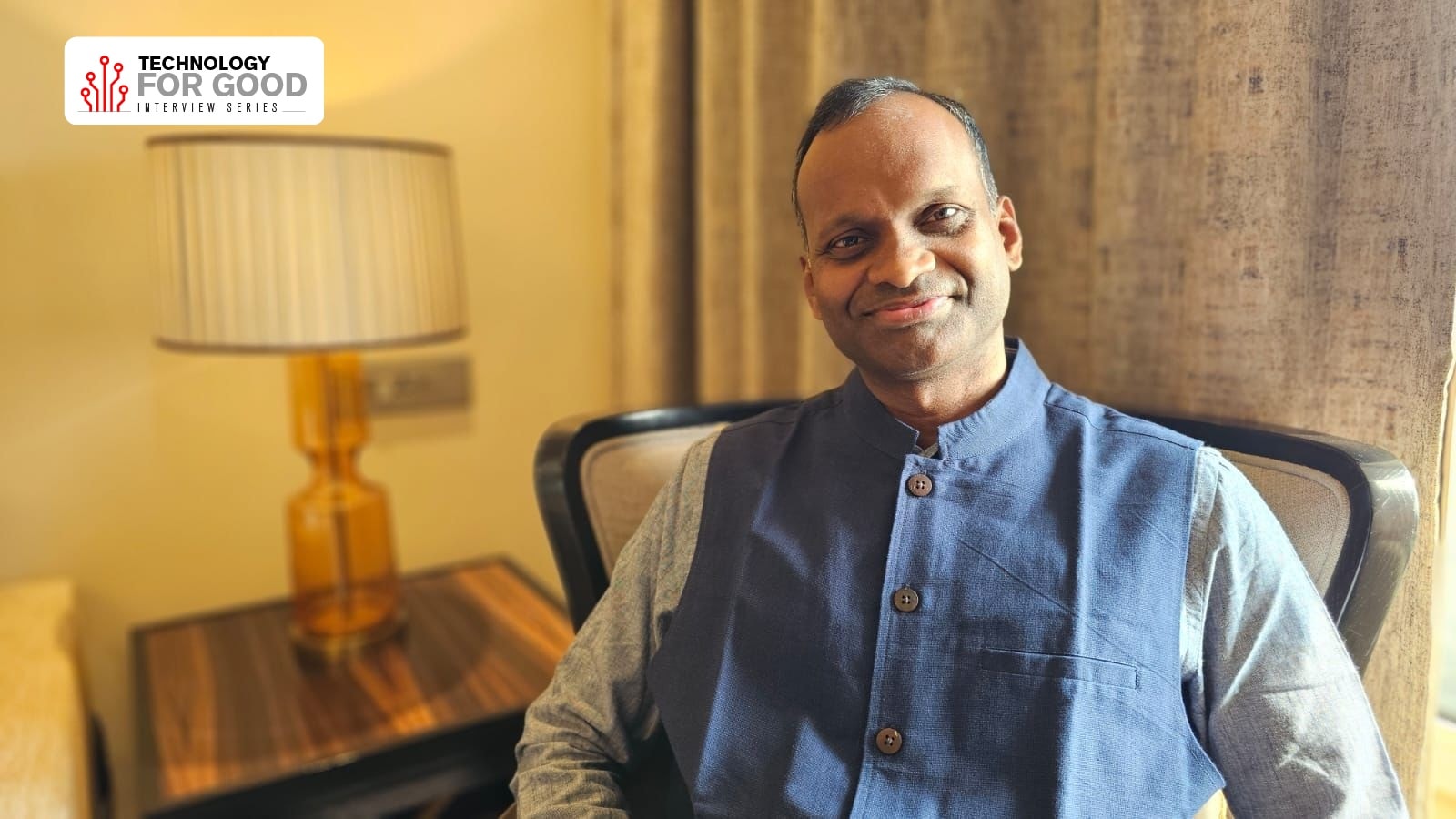
Dr. Mohanasankar Sivaprakasam is a professor at IIT Madras who is leading the creation of the world's most detailed maps of the human brain.
He heads two important centers: the Healthcare Technology Innovation Centre (HTIC) and the Sudha Gopalakrishnan Brain Centre.
HTIC focuses on developing affordable healthcare technologies and has created many successful products, like mobile eye surgery units and devices for screening eye diseases.
The Brain Centre is working on imaging entire human brains to understand them better.
Dr. Sivaprakasam and his team are collaborating with scientists from around the world.
Their goal is to use these detailed brain maps to improve the diagnosis and treatment of brain diseases.
They have already made significant progress and plan to release their first set of brain maps in early 2025.
This work is important because it can help us understand the brain better and develop new technologies for healthcare.

Dr. Mohanasankar Sivaprakasam is a Professor at IIT Madras leading the Healthcare Technology Innovation Centre (HTIC) and the Sudha Gopalakrishnan Brain Centre.
HTIC focuses on developing affordable healthcare technologies and has created 14 commercially successful products, helping two crore patients.
The Sudha Gopalakrishnan Brain Centre aims to generate the world's most detailed cell-resolution human brain maps across the human lifespan.
The first set of human brain maps was released in early 2025, advancing the field by roughly tenfold compared to previous efforts.
Dr. Sivaprakasam's work has received significant global visibility and collaboration with leading scientists from over 10 countries.
- Who
- Dr. Mohanasankar Sivaprakasam, Professor at IIT Madras
- What
- Creating the world's most detailed cell-resolution human brain maps and developing healthcare technologies
- Where
- IIT Madras, India, with global collaborations
- When
- Ongoing research with significant milestones in 2025
- Why
- To advance neuroscience, improve healthcare technologies, and contribute to earlier diagnosis and better treatment of brain diseases
Key facts
- Professor
- Dr. Mohanasankar Sivaprakasam
- Institution
- IIT Madras
- Centers Headed
- Healthcare Technology Innovation Centre (HTIC) and Sudha Gopalakrishnan Brain Centre
- Research Focus
- Human brain imaging and healthcare technologies
- Awards
- Rashtriya Vigyan Puraskar
- Education
- B Tech from Anna University, MS and PhD in Electrical Engineering from North Carolina State University and University of California at Santa Cruz
- HTIC Founded
- 2011
- HTIC Focus
- Med-tech innovation ecosystem
- Brain Centre Goal
- World's most detailed cell-resolution human brain maps
- First Product
- Mobile eye surgical unit for cataract surgery
- Notable Innovations
- 3nethra (eye screening device), 3nethra Neo (newborn screening), flexible endoscopy platforms
- Startup Incubations
- Over 60 healthtech startups
- Global Collaboration
- Leading scientists and researchers from over 10 countries
- Brain Maps Released
- Early 2025
- Impact
- Advancing neuroscience, earlier diagnosis, and better treatment
Quotes
Prof. Mohanasankar Sivaprakasam
Professor at IIT Madras, heads the Healthcare Technology Innovation Centre (HTIC) and the Sudha Gopalakrishnan Brain Centre, recipient of the Rashtriya Vigyan Puraskar
“I was trained in implantable medical electronics. During my PhD, I was fortunate to work on one of the most cutting-edge medical devices: electrically stimulating the retina to restore vision in blind patients. Because of that work, I had the opportunity to learn across many other fields: electrophysiology, biomaterials, and neurophysiology. Much of my understanding of neuroscience comes from that time.”
 indianexpress.com
“I returned to India in 2008 and joined IIT Madras to do translational research. It means you do research, convert it into technology, and then translate that technology into products by working with industry or startups. Broadly, my work is in healthcare technologies. I measure the impact of our work by the number of patients we reach.”
indianexpress.com