5 hrs ago
India Manufacturing Growth Reaches Seven-Month High In September

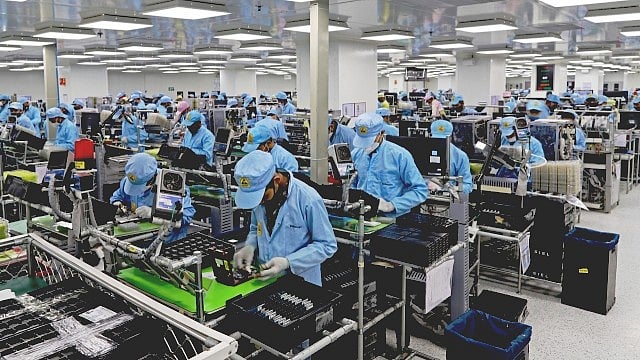
Indian factories had a much stronger month in September.
A survey score called the PMI rose from 52.8 in August to 55.1.
A score above 50 means the manufacturing sector is growing.
More people in India and other countries ordered products from Indian factories.
This helped factories produce more goods and sell more products.
Factories also started hiring again after employment fell in August.
Businesses bought extra materials and stored more finished goods because they expected future sales to be strong.
Factory owners became more confident about the months ahead.
Prices for materials and finished products rose, but the increases were still mild compared with long-term averages.
The final PMI was slightly below the preliminary estimate of 55.7.

India’s seasonally adjusted manufacturing PMI rose to 55.1 in September from 52.8 in August, marking a seven-month high.
Stronger domestic and export demand accelerated new orders, output and total sales across electronics, food, pharmaceutical and textile products.
Export orders increased among customers in Brazil, Europe, the UAE and the US.
Factory employment resumed growth at its fastest pace since May after declining in August.
Manufacturers bought more materials and built inventories as business confidence reached a four-month high, while price pressures remained modest by historical standards.
- Who
- Around 400 Indian manufacturers surveyed by S&P Global for the HSBC India Manufacturing PMI, with commentary from HSBC Chief India Economist Pranjul Bhandari.
- What
- Manufacturing activity growth reached a seven-month high as orders, output, sales, hiring and inventories increased.
- Where
- India, with stronger export demand reported from Brazil, Europe, the UAE and the US.
- When
- September, with survey data collected from September 7 to 24 and results reported on October 1.
- Why
- Stronger domestic and overseas demand increased new orders, sales and production, while manufacturers anticipated continued demand.
Positive Signals
Cautions
Manufacturing momentum
Positive Signals
The September PMI of 55.1 marked the strongest improvement in factory activity in seven months, supported by stronger orders, output, sales and exports.
Cautions
Although September was stronger, the second fiscal quarter’s average PMI was 53.8, its lowest since the same period in 2021, indicating that the quarter was relatively soft overall.
Business outlook
Positive Signals
Manufacturers reported a four-month high in business confidence, citing new enquiries and expectations of sustained demand.
Cautions
The final PMI was below the preliminary estimate of 55.7, and manufacturers also faced rising input costs for electronic components, pharmaceutical products and steel.
Prices and inventories
Positive Signals
Factories increased purchases and inventories in preparation for anticipated sales, while input-cost and selling-price inflation remained below long-term averages.
Cautions
Input-cost inflation accelerated from August, and selling prices also rose, creating additional cost pressures despite their historically modest pace.
Key facts
- September PMI
- 55.1
- August PMI
- 52.8
- Preliminary estimate
- 55.7, higher than the final September reading
- PMI meaning
- Readings above 50 indicate expansion, while readings below 50 indicate contraction
- Survey coverage
- Around 400 manufacturers
- Employment
- Hiring resumed at its fastest pace since May
- Business confidence
- Expectations for future output reached a four-month high
- Inventories
- Finished-goods inventories rose for the third consecutive month at the second-fastest pace in 11-and-a-half years, behind July
Quotes
Pranjul Bhandari
Chief India Economist at HSBC
“India’s factory sector ended the quarter on a firmer footing. The PMI rose to 55.1 in September, up from 52.8, as stronger domestic and overseas demand lifted sales and production. Hiring resumed at its fastest pace since May, and manufacturers became more optimistic about the months ahead.”
 theprint.in
 livemint.com
“Companies bought more materials and built up stocks to prepare for anticipated sales. Finished goods inventories recorded their second-largest increase in nearly 12 years, signalling a clear shift from leaner stock levels.”
theprint.in
 freepressjournal.in
Sources
Related news

India Private Sector Growth Hits Three-Month High in September

India’s August services PMI rises, but weak demand persists
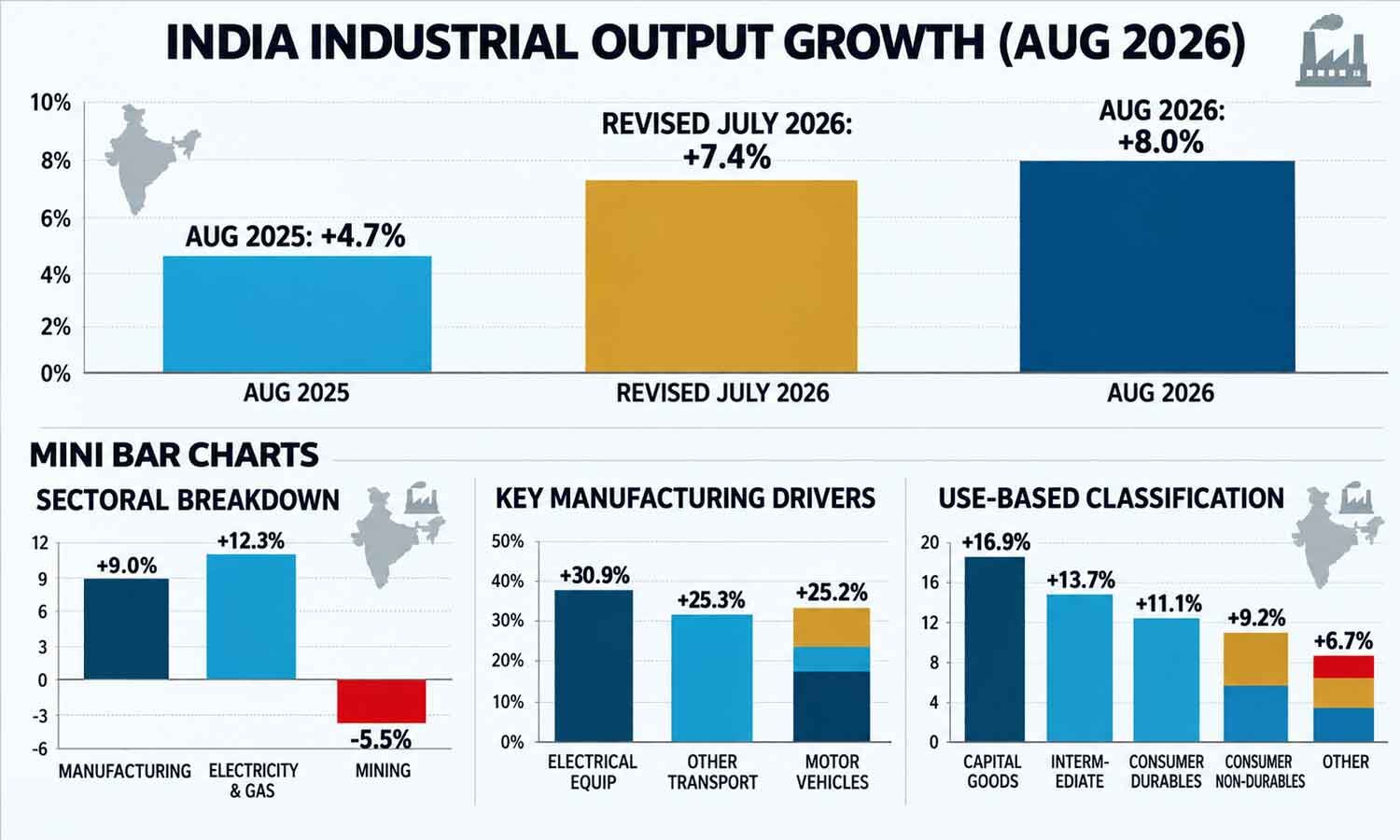
India’s Industrial Output Hits 8% in August, Manufacturing Leads
India’s Growth Holds Firm as Q3 GDP Seen Near 7.5%
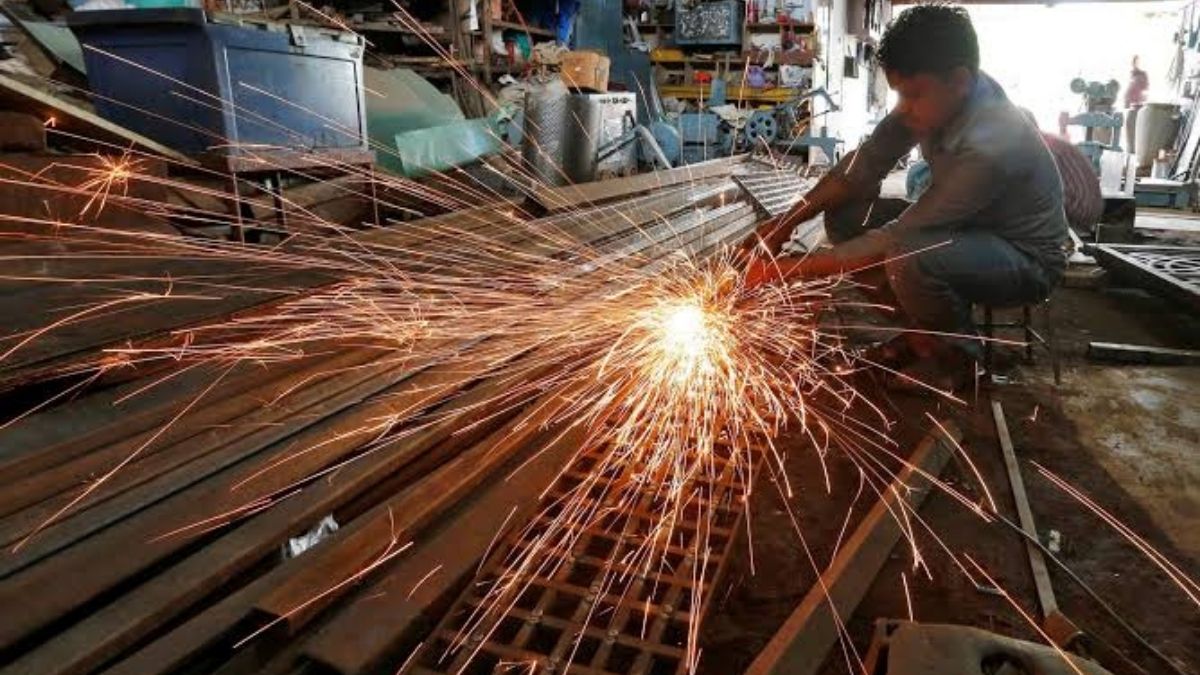
India’s Industrial Output Rises 8% as Manufacturing Leads
RBI May Raise Rates as Inflation Risks Intensify
India's Power Grid Faces Evening Shortages as Demand Surges

Indian Entrepreneurs Reshape Businesses as AI Investment Accelerates