

2 hrs ago
Brands Turn To Meaning, Memory And Trust For Preference
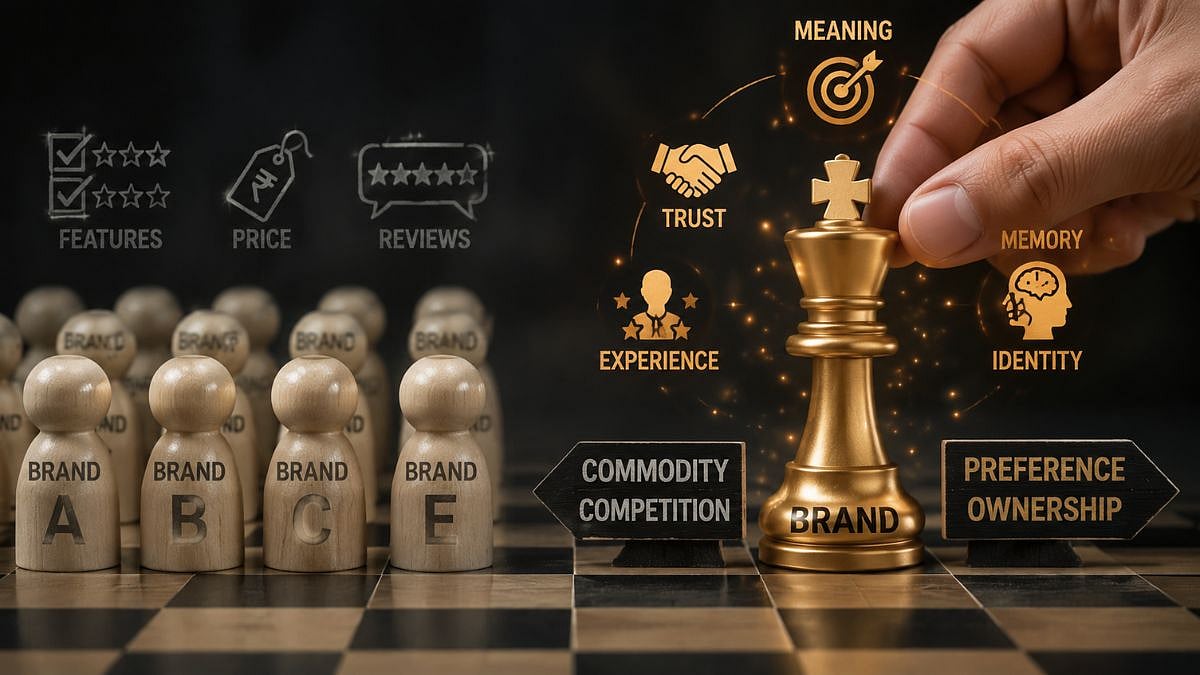
The article says many products are becoming harder to tell apart.
Small and large companies can now use similar technology, factories, and online tools.
Shopping websites also show competing products next to each other, often at similar prices.
Online reviews may not always be trustworthy because some are fake or paid for.
Because of this, people may choose a brand for how it makes them feel, not just for its features.
A brand can become memorable through its stories, colours, experiences, and customer service.
Good help after a purchase can build trust, especially when something goes wrong.
The article says the strongest brands are not just better; they are the ones people specifically want.

Technology, manufacturing, AI tools, and digital platforms have made product differentiation easier to copy.
E-commerce places similar products and prices side by side, increasing pressure on brands to stand out.
Fake reviews, paid endorsements, and manipulated ratings have weakened trust in online review systems.
The article argues that meaning, emotional connection, memory, trust, and customer experience increasingly drive brand preference.
Brands are urged to treat customer care and after-sales service as strategic advantages beyond bots and automated systems.
- Who
- Brands, consumers, and customer-care teams are the main groups discussed; the article was written by brand and marketing consultant Sanjeev Kotnala.
- What
- The article examines how brands can create preference through meaning, memory, trust, identity, and customer experience as product differences become easier to copy.
- Where
- The trend is discussed across digital marketplaces, online review systems, customer-service channels, and consumers’ minds and everyday lives.
- When
- The shift is described as occurring increasingly in the current technology-driven and e-commerce environment.
- Why
- Product features, prices, and reviews are becoming less reliable sources of differentiation, making emotional connections and memorable experiences more important.
Key facts
- Main challenge
- Democratised technology and information have made product differentiation increasingly difficult.
- Marketplace effect
- E-commerce displays similar products, features, specifications, and prices side by side.
- Trust problem
- Fake reviews, paid endorsements, and manipulated ratings have weakened confidence in five-star ratings.
- Brand meaning
- The article presents meaning as a harder-to-copy source of competitive advantage.
- Preference drivers
- Meaning, memory, trust, identity, and experience can influence preference beyond product features.
- Service priority
- Customer responses to problems, returns, and complaints are presented as important parts of brand experience.
- Author
- Sanjeev Kotnala is identified as a brand and marketing consultant, writer, coach, and mentor.
Sources
Related news
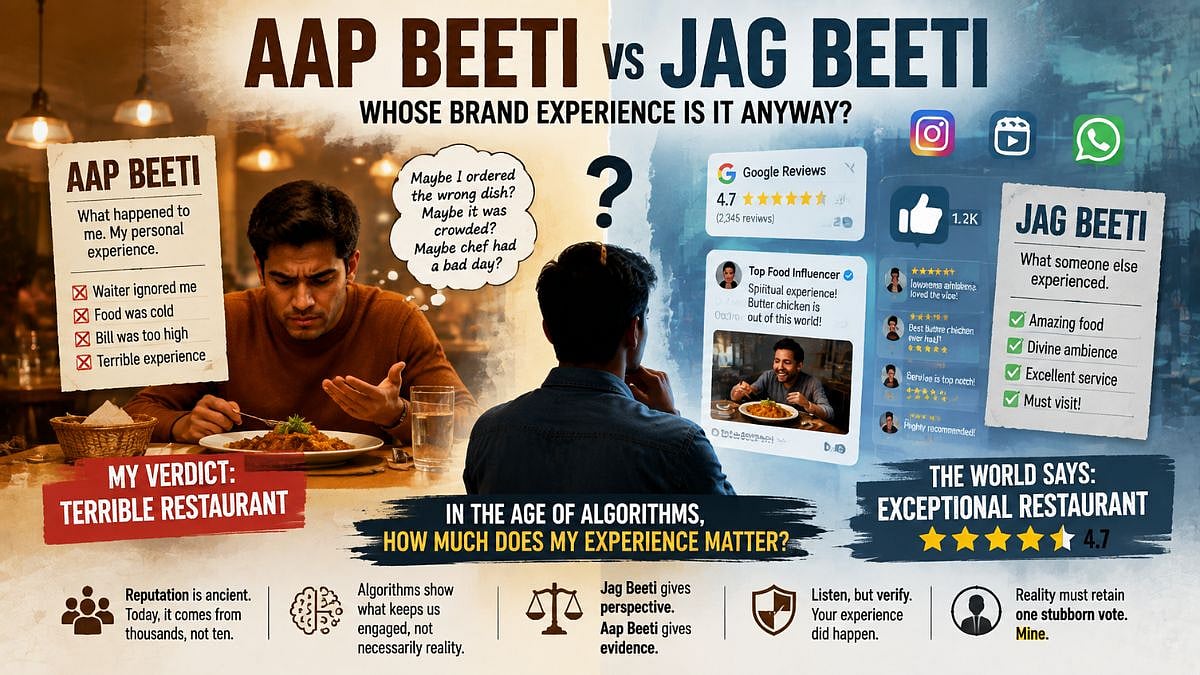
Aap Beeti vs Jag Beeti: Whose Brand Experience Really Matters?

What a French Supermarket Taught Me About Indian Brand Communication

Indian Ethnic Fashion Shifts Toward Everyday Trust and Experience

Consumers Distrust Generative AI Yet Rely On Its Advice

Indian Craft Finds Global Strength Through Distinctive Local Identity

Businessman's Rs 10,000 Fake Rolex Reveal Sparks Luxury Debate

Bajaj Pulsar Refreshes Legacy Brand for Its Next Growth Phase

Harley-Davidson X440 Prices Rise Again for Top Variants
Hero MotoCorp Q1 profit jumps 29% to Rs 1,454 crore

Hero MotoCorp Strengthens Premium Strategy Amid Weak Sales
