4 days ago
Book Describes Ganga’s Microbial Intelligence at Triveni Sangam

A new book says the Ganga is more than a river and religious symbol.
It describes the Triveni Sangam in Prayagraj as a busy place for microorganisms.
When people bathe there, tiny organisms from their bodies can enter the water.
The book says these new bacteria meet viruses called bacteriophages.
Bacteriophages can attack bacteria, so the river becomes a place of microbial competition.
The author believes new bacteriophages can develop as the types of bacteria change.
Large gatherings such as the Kumbh Mela may make this process happen faster.
These ideas are presented as the author’s interpretation of the Ganga’s changing microbiome.

Ajai Kumar Sonkar’s new book portrays Prayagraj’s Triveni Sangam as a dynamic viral-bacterial laboratory.
The book says devotees introduce diverse human-associated microbes into the Ganga during sacred bathing rituals.
According to Sonkar, the river’s bacteriophages respond to incoming bacteria through rapid evolutionary changes.
The book claims Kumbh Mela sharply increases bacterial influx, phage evolution, and microbial diversity.
Published by National Book Trust, the book combines microbiology, virology, and cultural memory.
- Who
- Prayagraj-based independent research scientist Ajai Kumar Sonkar and the pilgrims who bathe at the Triveni Sangam.
- What
- A new book presents the Ganga’s microbial ecosystem as an evolving viral-bacterial laboratory.
- Where
- At the Triveni Sangam in Prayagraj, in the Ganga River.
- When
- The book discusses bathing rituals and large gatherings such as last year’s 45-day Maha Kumbh.
- Why
- Sonkar argues that bathing introduces diverse microbes, prompting bacteriophages in the river to adapt to incoming bacteria.
Key facts
- Book
- The River That Remembers: Microbial Intelligence of Nature
- Author
- Ajai Kumar Sonkar, a Padma Shri awardee and independent research scientist
- Publisher
- National Book Trust
- Central claim
- The Triveni Sangam functions as a dynamic viral-bacterial laboratory.
- Microbial process
- The book says human-associated bacteria introduced during bathing interact with the river’s bacteriophages.
- Maha Kumbh attendance
- More than 66 crore devotees reportedly attended over 45 days.
- Claimed outcome
- Phage density and diversity peak after bathing rituals, according to the book.
Quotes
Ajai Kumar Sonkar
Padma Shri awardee and Prayagraj-based independent research scientist and book author
“New bacteriophages evolve to target the specific bacterial strains introduced by the pilgrims, increasing the viral diversity of the river. Over time, the Ganges' microbiome becomes a living, evolving system that continuously adapts to the new challenges posed by the diverse human microbiota.”
 rediff.com
“Pilgrims arrive from all corners of the country, each bringing with them unique microbiota, bacteria, viruses, fungi, and other microorganisms that have adapted to their specific environments.”
rediff.com
Sources
Related news
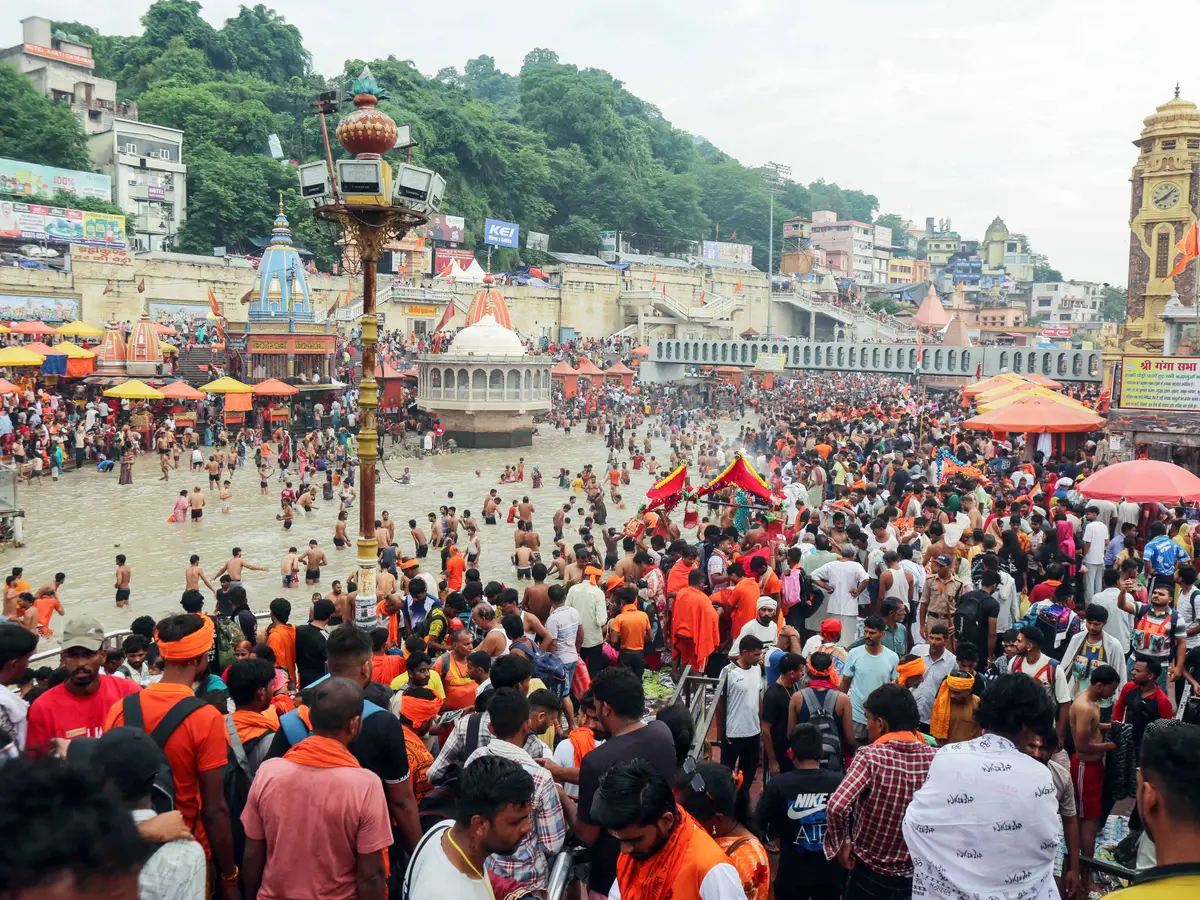
5 Crore Pilgrims Leave 7,000 Tonnes Trash: Haridwar Mega Cleanup

Bhagyashree Explains the Science Behind Ancient Ganga Ghat Traditions

Final Shravan Somwar Draws Lakhs to Deoghar Temple

NASA Astronaut Shares Stunning Maha Kumbh Mela Image From Space

Three Kanwariyas Missing After Being Swept Away in Ganga

Nepal Families Seek Missing Loved Ones After Deadly Flash Floods

Swollen Ganga Sweeps Away Century-Old Bihar Temple

Why the Maharaja of Banaras Drank Only Ganga Water
Floods Kill Two, Leave Two Missing Across Uttar Pradesh
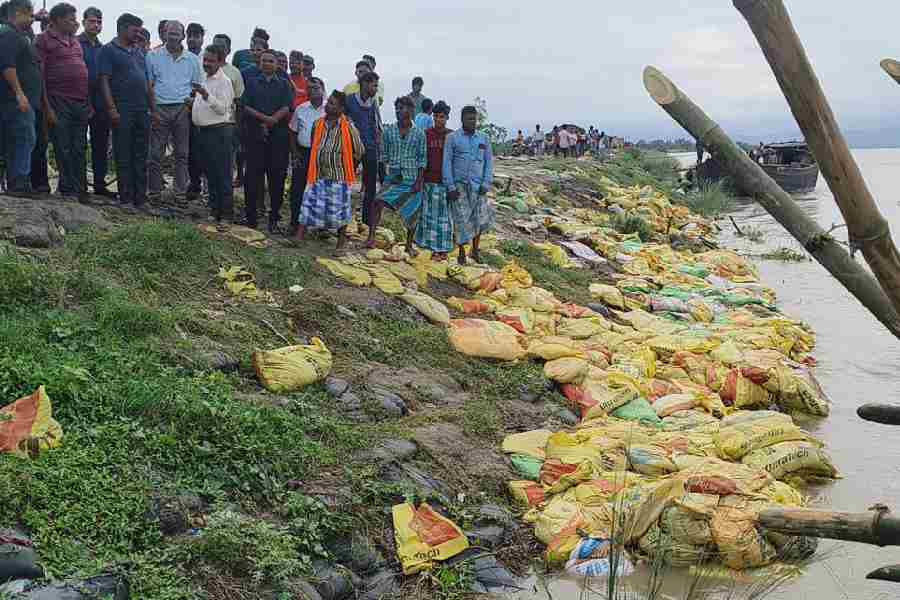
Ganga Erosion Threatens Malda Schools, Homes and 700 Students