

4 hrs ago
Delhi High Court Restores Advocate’s Name, Limits BCI Removal Powers
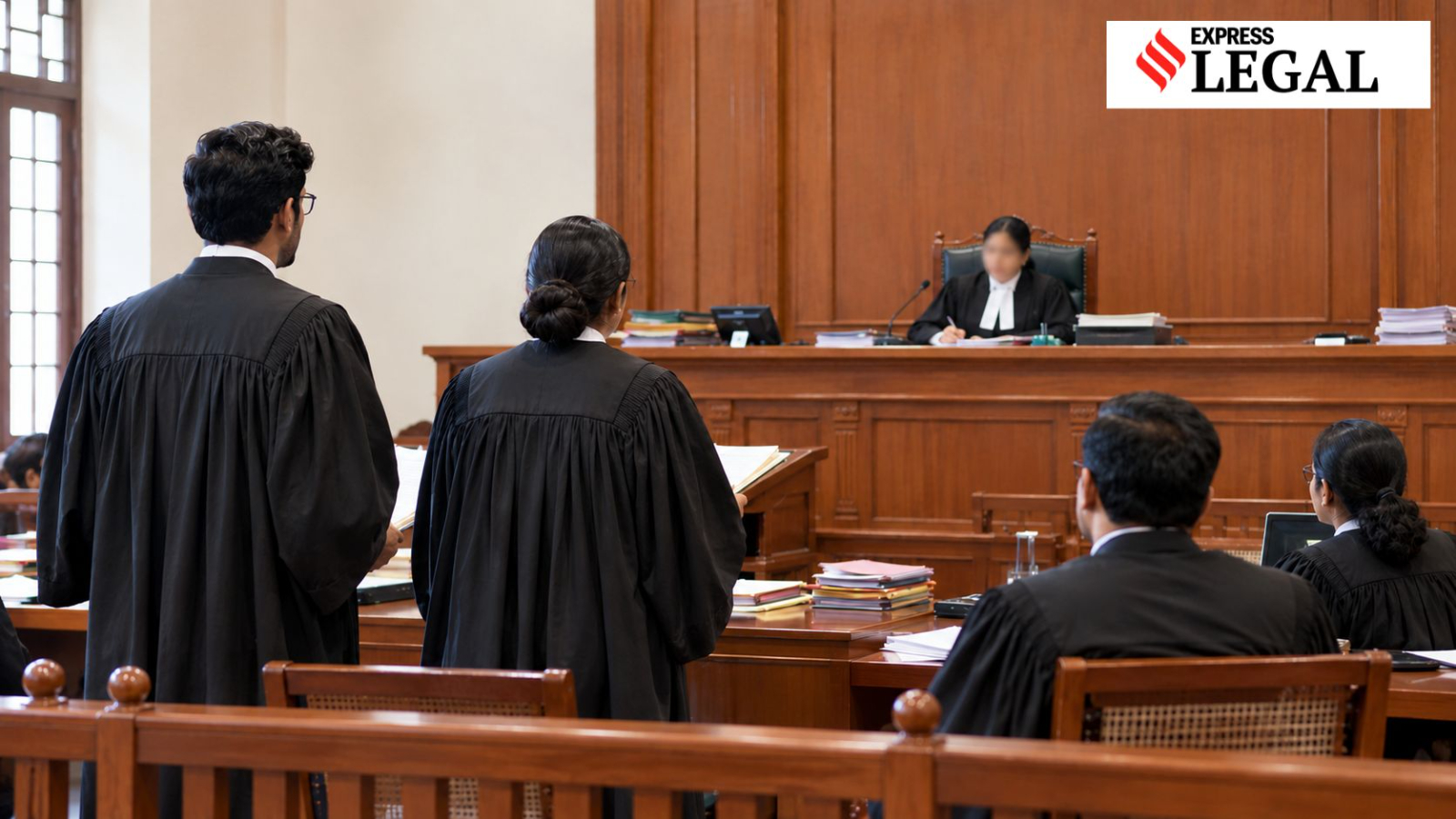
A lawyer’s name was taken off the official list of advocates after people said she had used a fake caste certificate.
The Delhi High Court reviewed that decision.
It noted that officials had found the certificate was not genuine.
The court also found that the record suggested a certificate had been included with her enrolment application.
But the court found no evidence that the certificate helped her get into law school or become an advocate.
It said that a fake document is serious, even if it gives someone no advantage.
However, the Bar Council of India cannot remove an advocate just because a disputed document was present.
It must show that fraud played an important part in getting the person enrolled.
The court therefore set aside the removal order and restored her name.

The Delhi High Court set aside the Bar Council of India’s order removing an advocate from the state roll and restored her name.
The advocate’s name was removed after complaints alleged she submitted a fabricated OBC caste certificate during enrolment.
Authorities found the certificate was not issued to her, while her law college said she enrolled under the general category and submitted no caste certificate for admission.
The court found the enrolment record indicated an OBC certificate had been enclosed, but found no evidence it secured her admission, fee concession, reservation benefit, or enrolment.
The court ruled that submitting a fabricated document alone does not establish enrolment by fraud unless it materially helped secure enrolment.
- Who
- The Delhi High Court, the Bar Council of India, and an advocate whose name was removed from the state roll.
- What
- The court set aside the BCI’s order removing the advocate from the roll, finding that a fabricated document alone did not prove enrolment by fraud.
- Where
- Delhi; the caste certificate was sent for verification to authorities in Ghaziabad, Uttar Pradesh.
- When
- The court’s order was dated October 8; the BCI removal order was passed on May 7.
- Why
- The court found no evidence that the disputed certificate materially helped the advocate obtain enrolment.
Advocate’s position and court’s finding
Bar councils’ position
Whether the certificate secured enrolment
Advocate’s position and court’s finding
The advocate’s lawyers argued the certificate was unnecessary for enrolment and gave her no benefit. The court found no evidence it produced a tangible advantage or materially secured her enrolment.
Bar councils’ position
The BCI argued that the issue was whether she entered the roll by filing a fabricated certificate, not whether she received a specific benefit. The BCD pointed to the enrolment record noting an OBC certificate was enclosed.
Challenge to the proceedings
Advocate’s position and court’s finding
The advocate’s lawyers argued that the proceedings were initiated and completed with undue haste.
Bar councils’ position
The BCD said allegations that complaints were motivated by the ongoing elections and claims of institutional bias were not grounds to set aside the proceedings.
Key facts
- Court
- Delhi High Court
- Judge
- Justice Swarana Kanta Sharma
- Order date
- October 8
- BCI order
- Passed on May 7; directed removal of the advocate’s name from the state roll.
- Enrolment
- The advocate said she was enrolled with the Bar Council of Delhi in 2019.
- Certificate verification
- The Tehsildar, Ghaziabad, said the certificate had not been issued to the advocate.
- Court’s test
- Fraud must have played a material role in securing enrolment; the presence of a fabricated document alone is insufficient.
Quotes
Justice Swarana Kanta Sharma
Delhi High Court judge who heard the advocate’s plea.
“The absence of any actual advantage to the petitioner (the woman) from the disputed caste certificate does not, however, diminish the seriousness of furnishing a fabricated document, even if it was not necessary for establishing her eligibility for enrolment.”
 indianexpress.com
“The mere presence of a fraudulent document in the enrolment record cannot by itself be equated with obtaining enrolment by fraud, unless the fraud is shown to have played a material role in securing such enrolment.”
indianexpress.com
Sources
Related news
Delhi Court Orders Fresh Hearing in Sonia Gandhi Roll Case

India roundup spans IIT probe, Sonia case, film, voter disputes
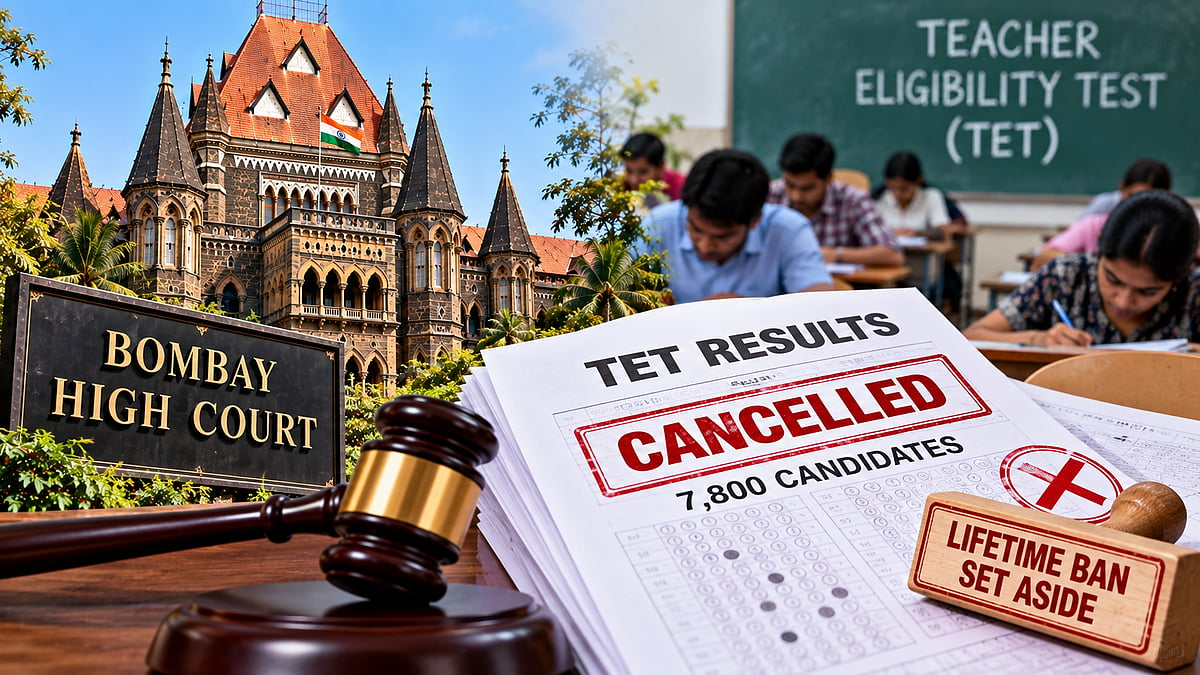
Bombay High Court Upholds Tampered TET Results Cancellation, Rejects Permanent Ban

Rajasthan High Court Rejects Plea of Man Posing as Advocate
Madras High Court Bars Fresh Probe Into RPF Clerk’s ST Certificate

Lawyer Linked to Lawrence Bishnoi Booked Over Alleged Fake Marksheet

SP Welcomes Owaisi’s Offer of Uttar Pradesh Poll Alliance

Jewar Airport Parking Starts at Rs 150 for Private Vehicles

Allahabad High Court Stays UP Road Tender Cancellation
Congress alleges voter deletions through UP electoral revision
Uttar Pradesh Cabinet Approves Third Phase of Lucknow Naval Museum