

1 week ago
Bhairabo Horoshe’s Monsoon Recitals Draw Mixed Musical Reviews
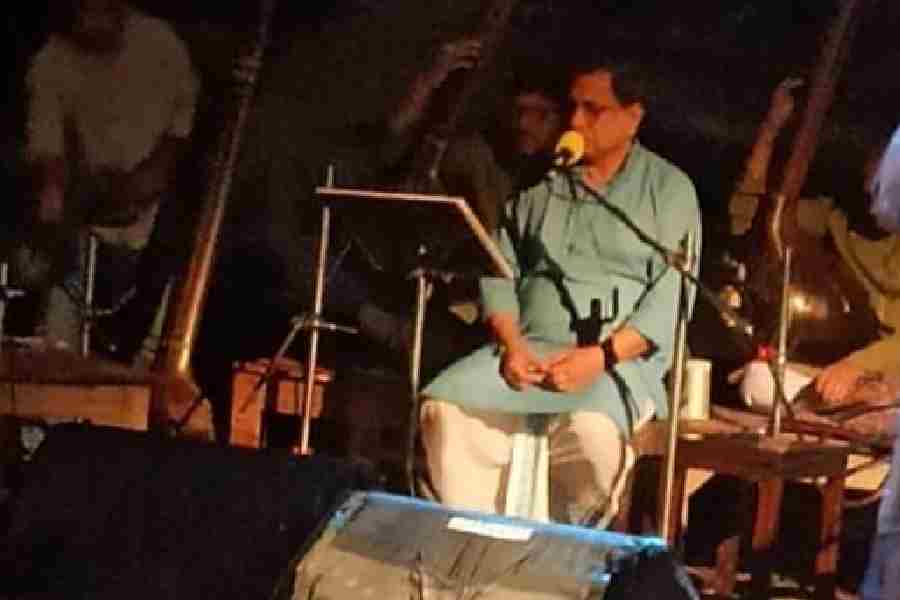
Bhairabo Horoshe was a music programme held over two evenings.
It took place at the Academy of Fine Arts and Gyan Manch.
Rahul Mitra sang about 65 songs by Rabindranath Tagore.
Most of the songs were about rain and belonged to the Barsha group.
The rainy-season theme matched the weather outside.
The stage had a sepia monsoon picture and foam clouds.
However, not many people attended.
The reviewer felt that Mitra sometimes sounded tired and strained, although a few songs were performed smoothly.
The accompanying musicians helped make those performances stronger.

Bhairabo Horoshe presented twin recitals at the Academy of Fine Arts and Gyan Manch.
The programme featured around 65 of Rabindranath Tagore’s songs, largely from the Barsha sub-category.
Rahul Mitra’s singing was often strained, with voice cracks, fatigue and muffled line endings.
“Chaya ghanaiche bone bone” and “Emono dine taare bola jaye” were among the stronger performances.
Accompanying musicians Gautam Dutta, Sourabh Chatterjee, Shubrojyoti Sen and Tathagata Mishra were praised for supporting the recital.
- Who
- Singer Rahul Mitra, supported by Gautam Dutta, Sourabh Chatterjee, Shubrojyoti Sen and Tathagata Mishra, performed the programme.
- What
- Bhairabo Horoshe presented twin recitals featuring roughly 65 of Rabindranath Tagore’s songs.
- Where
- The performances were held at the Academy of Fine Arts and Gyan Manch.
- When
- The recitals took place over two evenings; the article does not specify the dates.
- Why
- Rain was chosen as the central theme because it suited the prevailing monsoon weather.
Key facts
- Programme
- Bhairabo Horoshe
- Venues
- Academy of Fine Arts and Gyan Manch
- Singer
- Rahul Mitra
- Repertoire
- Approximately 65 songs by Rabindranath Tagore
- Central theme
- Rain, especially songs from the Barsha sub-category
- Attendance
- Audience attendance was low on both evenings
- Noted songs
- “Chaya ghanaiche bone bone,” “Emono dine taare bola jaye,” “Kadamberi kanan gheri” and “Bhor holo jei”
Sources
Related news
Bhopal Celebrates Monsoon With Rabindra Sangeet At Borsha Utsav
Dui Tarar Dotara: A Unique Tribute to Tagore and Gulzar
Harshotsav and Swar Basant Celebrate Indian Classical Music
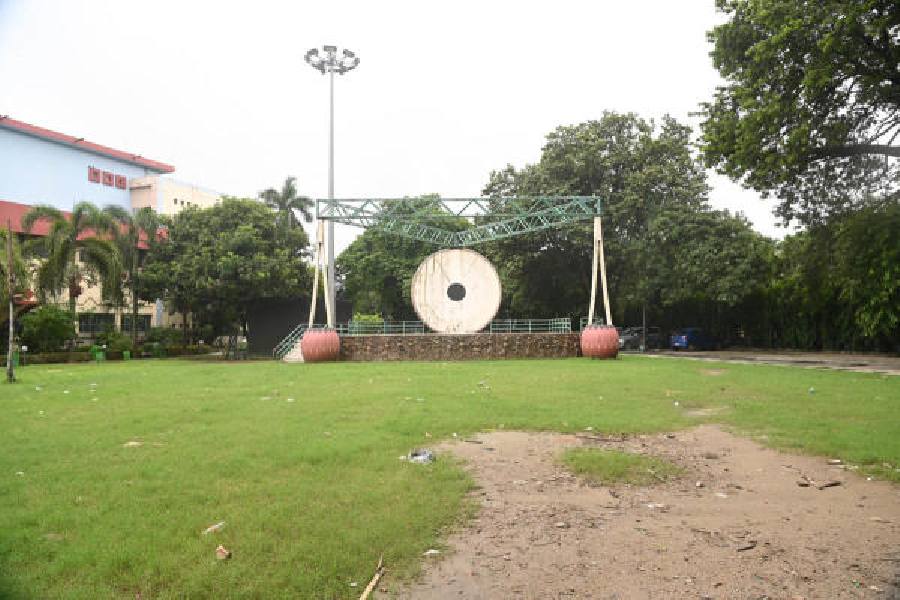
Bengal BJP government tones down Baishe Srabon Tagore observances
Robibarer Barbela Revives Kolkata’s Nostalgic Live Audio Stage Drama

Asam Sahitya Sabha Celebrates Bhupen Hazarika Birth Centenary
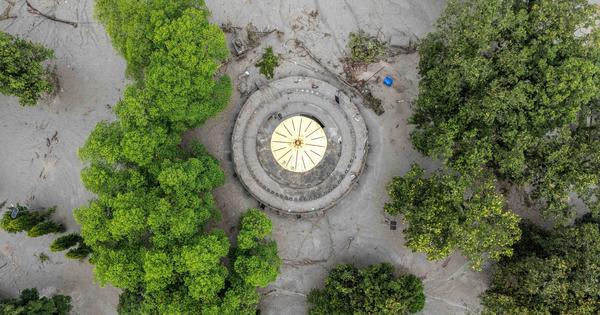
Tagore’s 1938 Warning About Forest Destruction Still Resonates
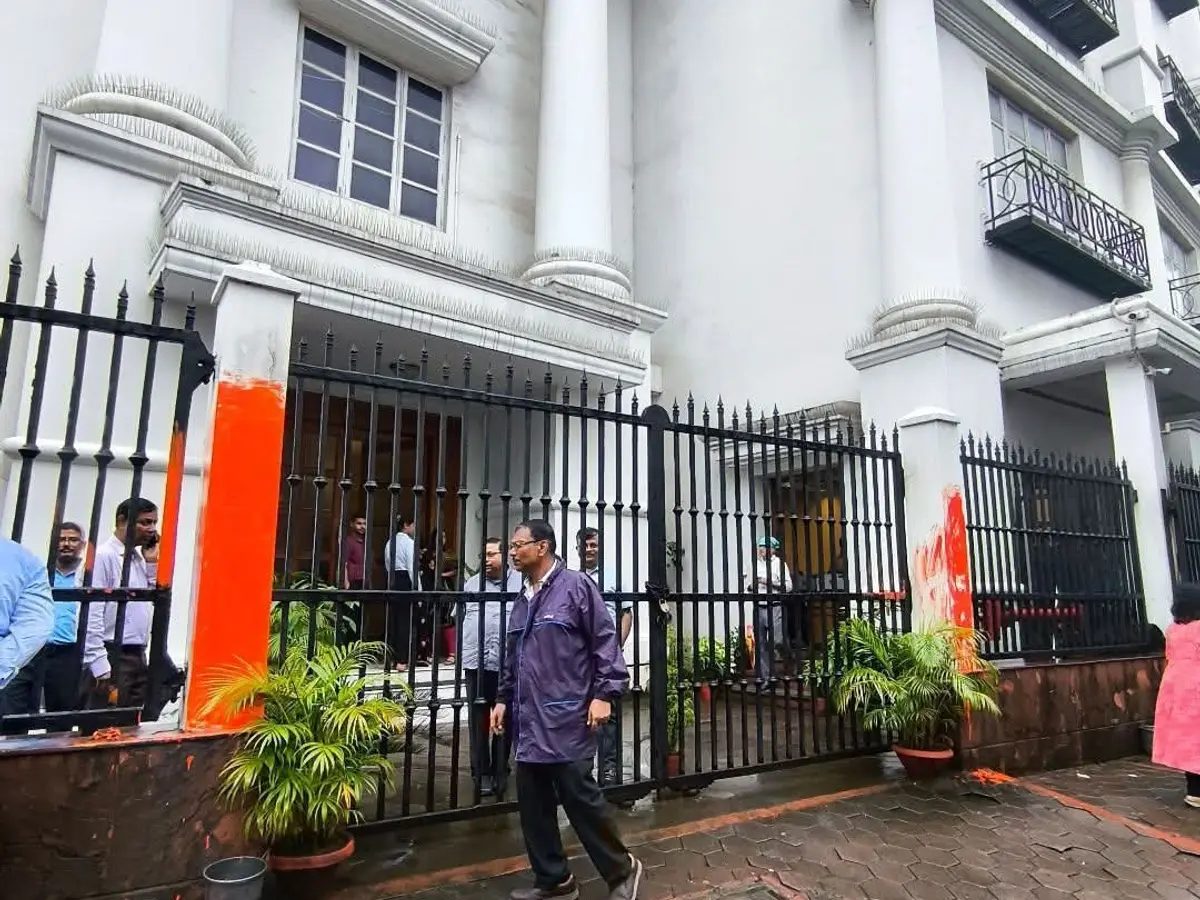
Saffron-Clad Men Paint Anandabazar Patrika Office Pillars

Why Jana Gana Mana and Vande Mataram Can Coexist
Five Rituparno Ghosh Films That Challenged Gender and Patriarchy
