

4 days ago
Nepal Flood Death Toll Rises as Rescue Efforts Continue

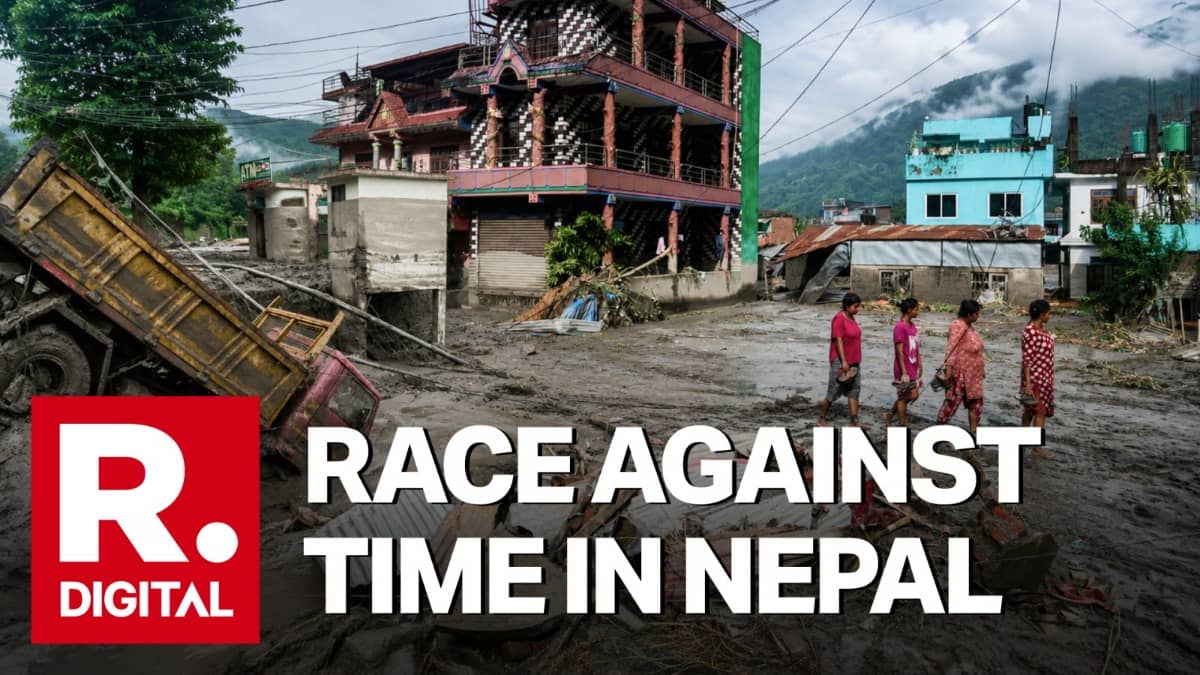
A very large flash flood hit Nepal on August 26.
Water and debris moved through rivers and affected many districts.
Officials gave different death tolls in the reports, with the newest figure saying 626 people died and an earlier figure saying 616.
More than 2,400 people are still missing, while thousands have been rescued or treated.
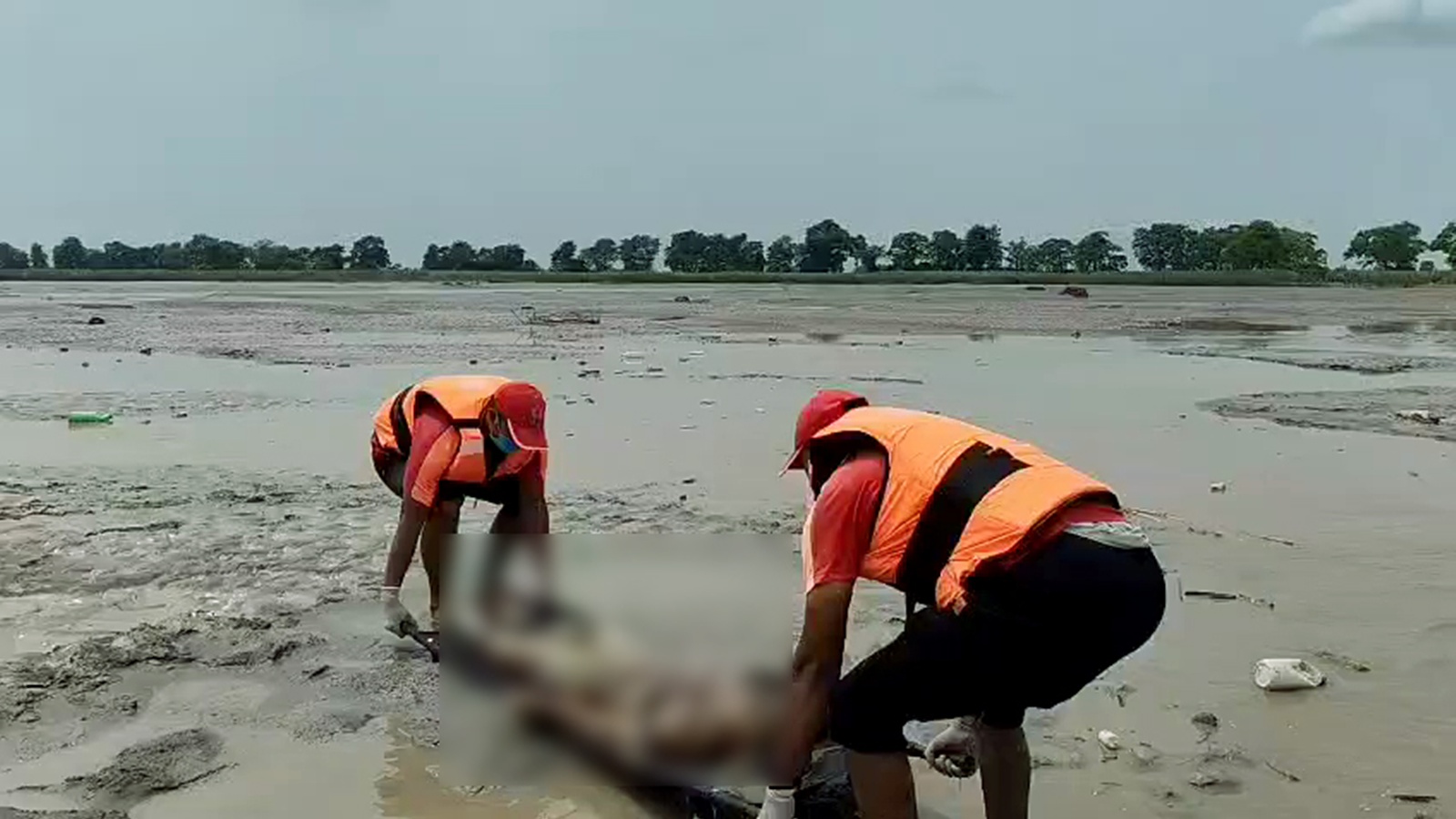
Many bodies were carried far downstream, making it hard to identify them.
Hospitals and morgues do not have enough space, so officials opened a temporary place to keep the bodies safely.
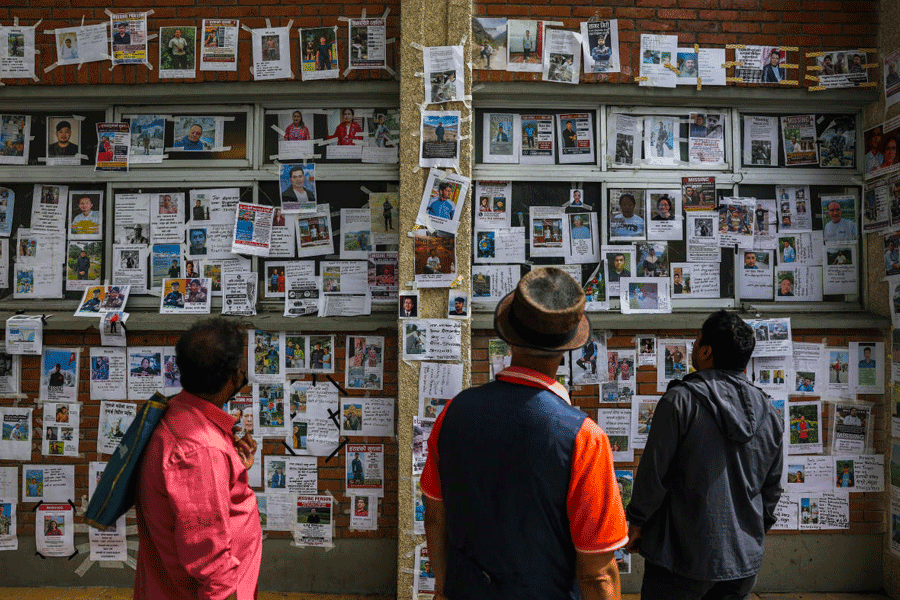
Police use photographs, fingerprints and DNA to help families identify relatives.
Thousands of rescuers and security workers are searching for people and helping those trapped.
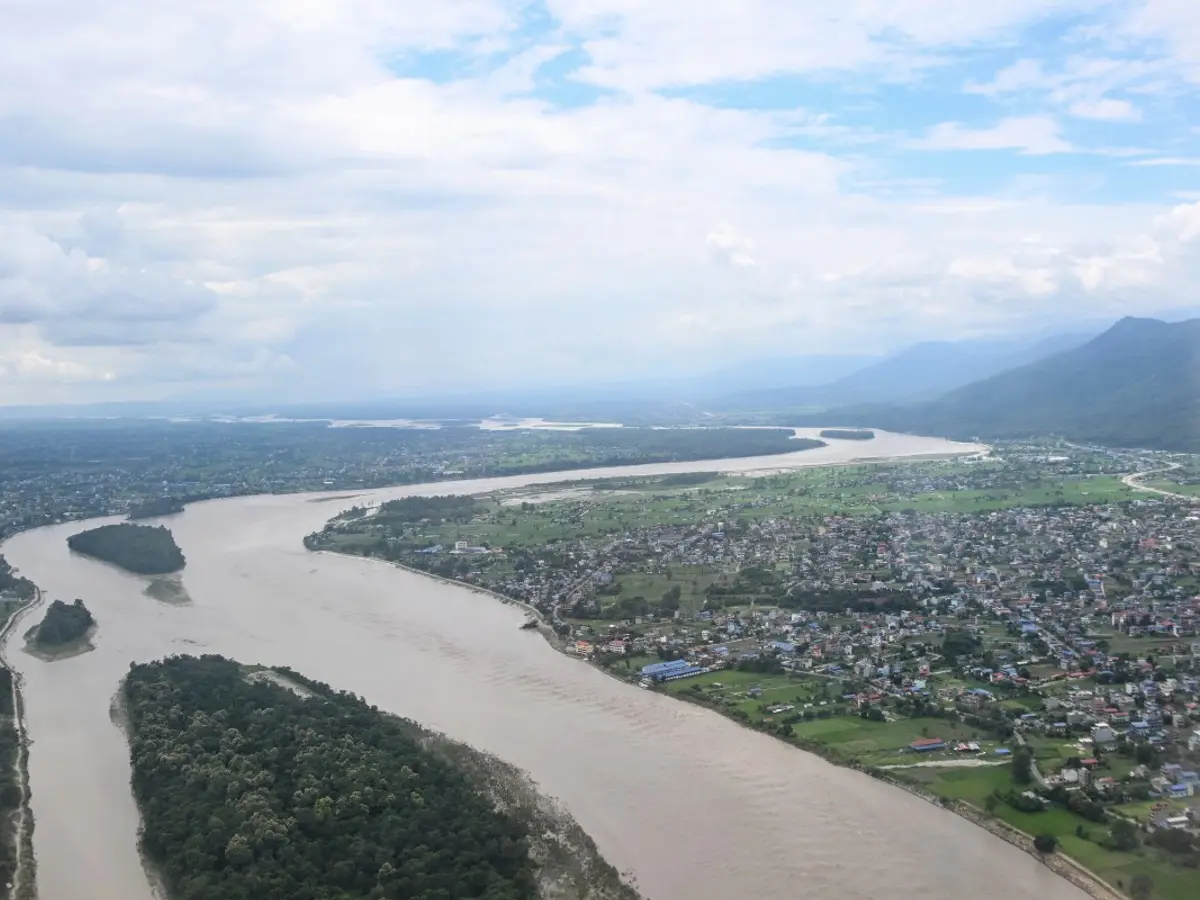
Heavy rain has sometimes stopped helicopters and river rescues, while India and other authorities have provided assistance.

A newer official report put Nepal’s flood death toll at 626, compared with 616 in an earlier police update.
The flash flood began in the Bhotekoshi and Trishuli river systems on August 26 and spread across multiple districts.
Authorities reported 2,426 people missing, while 4,451 people had been rescued and more than 2,300 injured or rescued according to the latest account.
Chitwan and other districts are struggling to store and identify bodies, prompting a temporary facility with capacity for about 250 remains.
More than 15,000 security personnel, helicopters and international assistance have been deployed, although bad weather has temporarily halted some operations.
- Who
- Flood victims, missing residents, foreign nationals and stranded workers are affected; Nepal Police, the Nepali Army, the Armed Police Force Nepal and other agencies are conducting rescue and recovery operations.
- What
- A flash flood caused widespread deaths, injuries, missing persons, downstream body recoveries and severe pressure on Nepal’s rescue and morgue systems.
- Where
- The flooding began in Rasuwa’s Bhotekoshi river system and spread through the Trishuli and Narayani corridors across districts including Rasuwa, Nuwakot, Dhading, Chitwan, Gorkha, Tanahun and Nawalparasi.
- When
- The latest report says the flood began on August 26; figures in the reports were issued during the following days, including Saturday.
- Why
- Heavy rain and sudden floodwaters carried large amounts of water and debris downstream, damaging access routes and overwhelming rescue, medical and body-management facilities.
Key facts
- Reported death tolls
- 626 in the newer report; 616 in an earlier police update
- People reported missing
- 2,426
- People rescued
- 4,451, according to the latest account
- Security deployment
- 15,431 personnel: 6,755 Nepali Army, 4,473 Nepal Police and 4,203 Armed Police Force personnel
- Chitwan temporary facility
- About 250-body capacity, with temperatures maintained at zero degrees Celsius
- Permanent morgue capacity
- About 350 bodies nationwide
- Foreign assistance
- India sent an 11-member medical and tunnel-rescue team with 10 tonnes of supplies and had provided another 37.5 tonnes the previous day
Quotes
Kuman Singh Gurung
Chief district officer of Kaski
“The total capacity of the hospitals in (Kaski) is 88, and before the flooding, we already had 5 bodies in the morgue beforehand.”
 thestatesman.com
“All of the bodies are being recovered from the river by deploying the police team.”
thestatesman.com
Sources
Related news

Nepal Flood Bodies Overwhelm Morgues As Recoveries Continue

Nepal Flood Death Toll Reaches 903 as Search Continues
Nepal Flood Death Toll Reaches 1,127 as Survivor Hopes Fade
Nepal Flood Morgues Overflow as Families Seek Missing Relatives

Nepal Flash Flood Death Toll Reported at 675, Thousands Missing

Nepal Floods Kill 175 as Hundreds Remain Missing

Nepal Thanks India as Glacial Disaster Rescue Efforts Continue
Nepal Warns of Heavy Rain After Deadly Floods
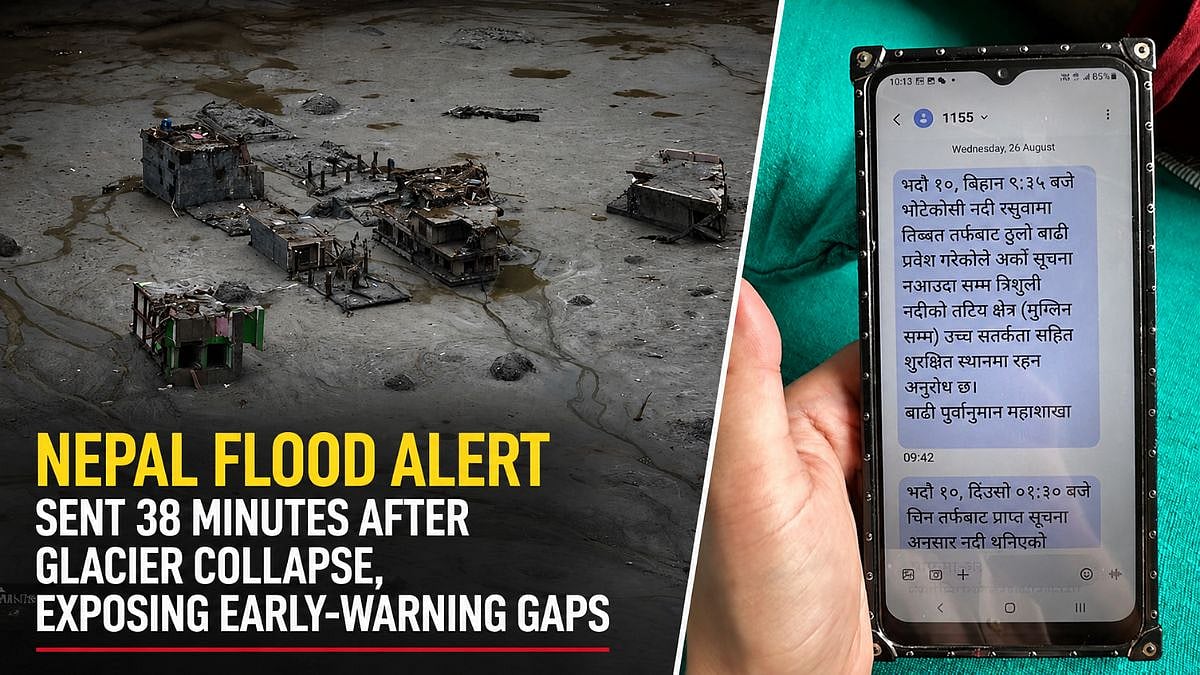
Nepal Flood Exposes Delayed Alerts and Cross-Border Warning Gaps
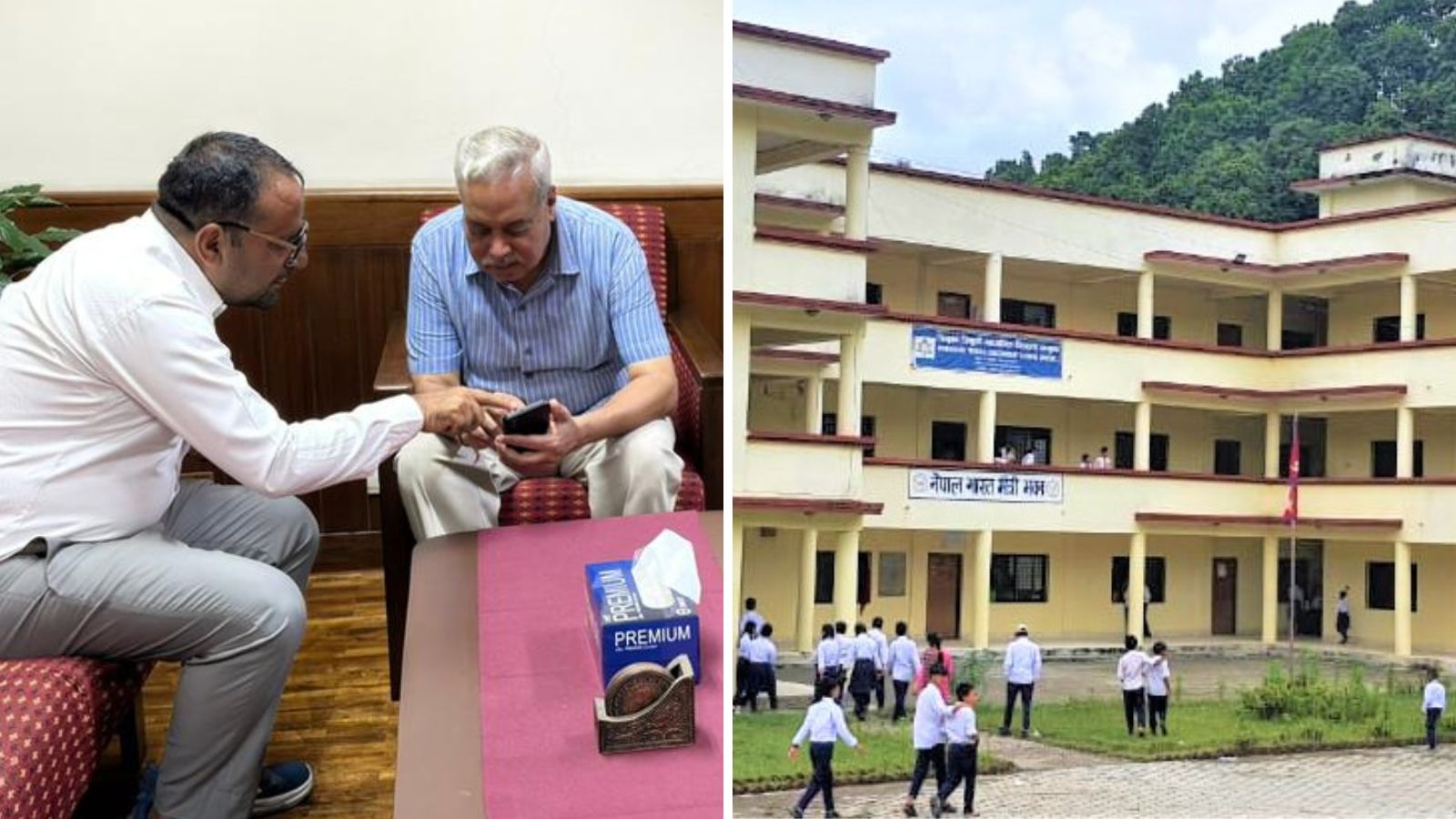
India to Rebuild Nepal School After Principal Saves 1,600
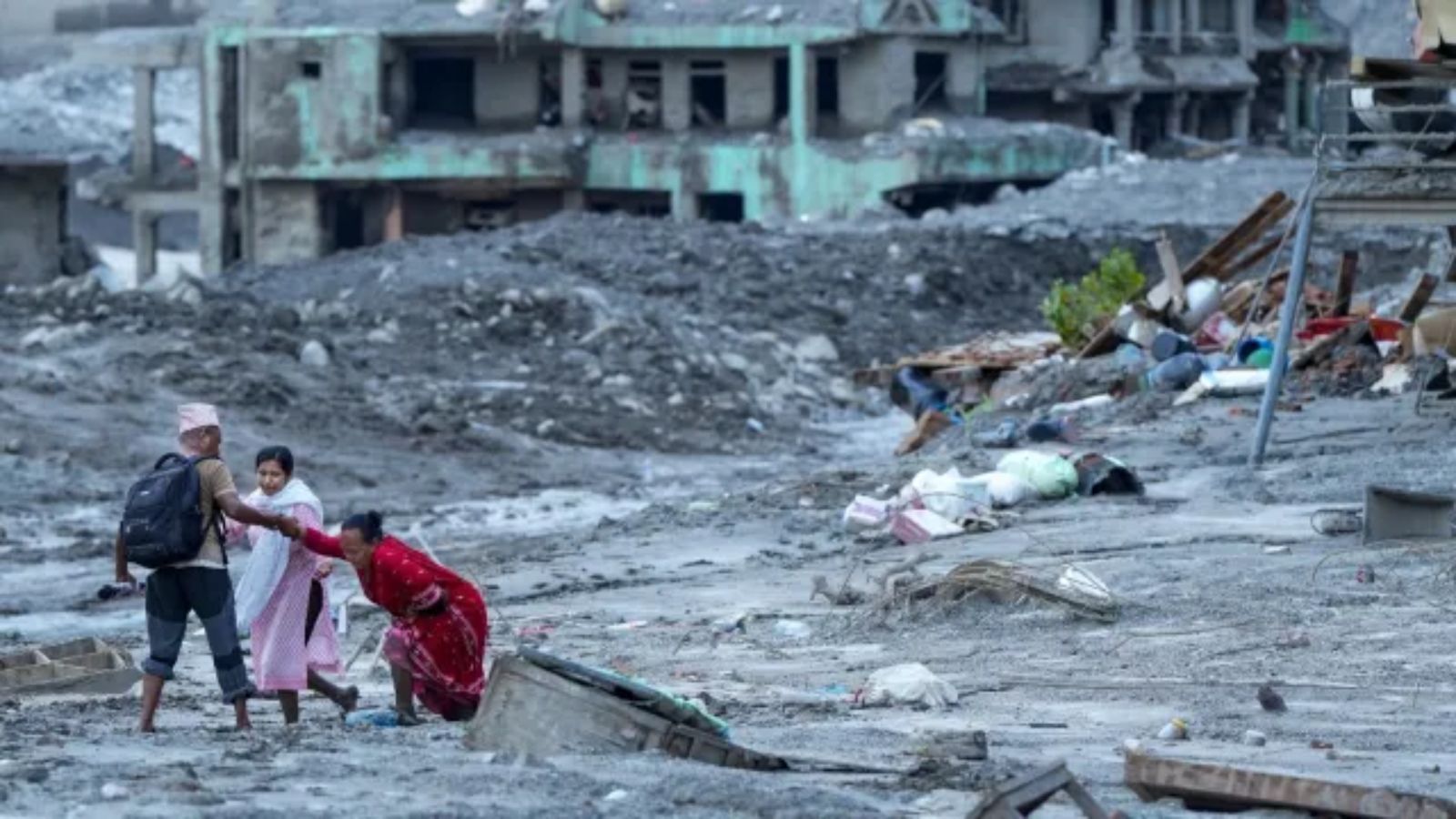
Maharashtra Mountaineers Join Search for Missing Nepal Trekkers
