

1 hr ago
Developing World Faces Rising Child Obesity Alongside Hunger
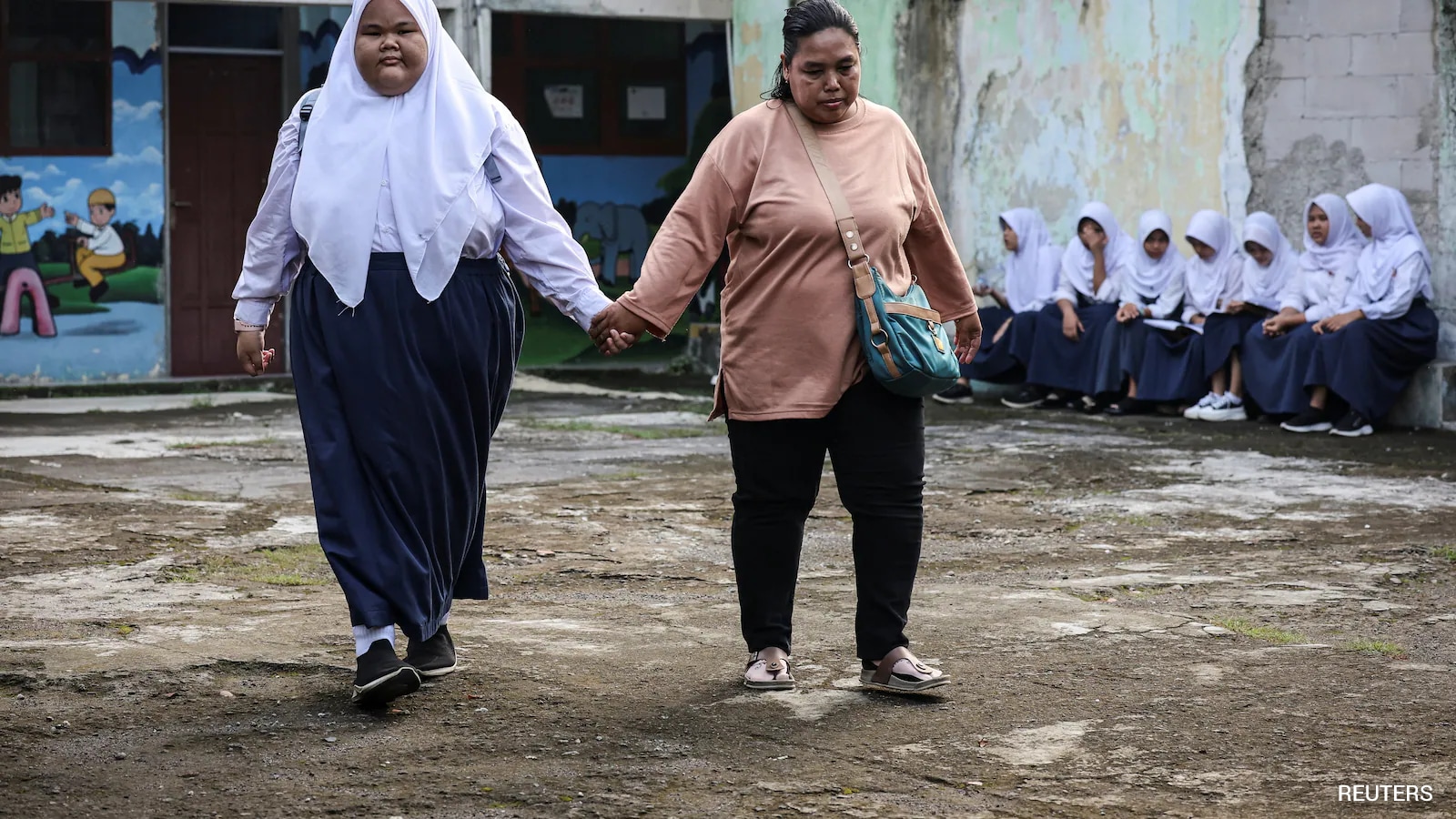
Many children in developing countries face two food problems at the same time.
Some do not get enough nutritious food, while others eat too much food high in sugar, fat or salt.
This is called the double burden of malnutrition.
Indonesia is a major example because childhood obesity has become more common than undernutrition.
Together, obesity and undernutrition affect about one in five of Indonesia’s school-aged children.
Experts warn that obesity can lead to diseases such as diabetes and heart problems, as well as bullying and emotional distress.
They say cheap processed foods, less physical activity and limited nutrition knowledge are part of the problem.
Indonesia is trying health screenings and clearer food labels, but experts and families also want stronger action from the government and food companies.
A girl named Intan lost weight, returned to school and hopes to become a police officer.

Childhood obesity is accelerating in many low- and middle-income countries while undernutrition remains widespread.
Indonesia is the most populous country where childhood obesity now exceeds undernutrition, according to analysis of global data.
Obesity or undernutrition affects about 20% of Indonesia’s 60 million school-aged children.
Experts link the trend to cheap processed foods, sedentary lifestyles, rapid nutrition transitions and limited health awareness.
Indonesia has introduced health screenings and traffic-light food labels, while its sugar-sweetened beverage tax has been repeatedly postponed.
- Who
- Children and adolescents in low- and middle-income countries, particularly Indonesia, along with health experts and governments.
- What
- Childhood obesity is rising alongside persistent undernutrition, creating a growing double burden of malnutrition.
- Where
- Across Africa, Asia and South America, with Indonesia highlighted as a major example.
- When
- The global analysis covers data through 2024; Indonesia introduced its traffic-light food-labeling system in April and launched free health screenings last year.
- Why
- Experts attribute the trend to cheaper processed foods, sedentary lifestyles, rapid economic and nutrition changes, and limited awareness of health risks.
Stronger Government and Industry Action
Education and Individual Behavior
How obesity should be addressed
Stronger Government and Industry Action
Health experts, families and Indonesia’s health ministry say governments and companies should offer healthier foods, clearer information, early detection and more opportunities for physical activity.
Education and Individual Behavior
Health Minister Budi Gunadi Sadikin favors educating people rather than punishing companies, while some families are changing diets by reducing sugar and eating more nutritious foods.
How urgent the problem is
Stronger Government and Industry Action
Experts describe rising childhood obesity in developing countries as a major public-health threat that could increase future diabetes, heart disease and other non-communicable diseases.
Education and Individual Behavior
Indonesia’s health minister acknowledged that obesity is rising but said it was not among the country’s top health problems and characterized it as mainly a problem in developed countries.
Regulating unhealthy products
Stronger Government and Industry Action
Some advocates want strict rules on unhealthy foods, clearer nutritional information and stronger measures against products high in sugar, salt and fat.
Education and Individual Behavior
The government has introduced traffic-light labels and emphasized consumer education; manufacturers have two years to comply, while a sugar-sweetened beverage tax has been repeatedly postponed.
Key facts
- Affected children in Indonesia
- Obesity or undernutrition affects about 20% of Indonesia’s 60 million school-aged children.
- Global research
- More than 1,000 scientists tracked nutrition among children aged 5 to 19 across 200 countries.
- Indonesia obesity increase
- Obesity prevalence among Indonesian boys and girls rose by more than half a percentage point in 2024, the country’s biggest absolute increase yet.
- Global projected cost
- The World Health Organization estimates that overweight and obesity could cost $3 trillion by 2030.
- Indonesia projected cost
- The World Obesity Federation estimates Indonesia’s obesity-related costs could rise from $17.5 billion in 2019 to almost $47 billion in 2030.
- Food health ratings
- Only 21% of products sold in Indonesia’s modern grocery stores met an international healthy threshold, compared with a 41% average for other assessed countries.
- Weight-loss treatment access
- The World Health Organization estimates only 10% of people who could benefit from weight-loss drugs will receive them by 2030.
Quotes
Intan Permatasari
Indonesian teenager who experienced obesity-related bullying and later returned to school
“I want to prove to people who bully me, who make fun of me, that I can be a hero.”
 NDTV
NDTV
“Indonesians have no awareness that obesity could make us sick”
NDTV
Dr. Zulfiqar Bhutta
Chair in global child health at the Hospital for Sick Children in Toronto and participant in the WHO-backed project
“All the gains that we have had in health are going to be washed away by this absolute tsunami of non-communicable disease”
 theprint.in
NDTV
theprint.in
NDTV
Sources
Related news

Childhood obesity a major concern, health issues rise in India

India heading toward metabolic crisis over obesity, warns gastroenterologist

Joint task force announced to tackle obesity in Andhra Pradesh

India’s Chip and Soda Warning Labels Face Court Scrutiny

Food Was Once Medicine, Now Engineered Addiction, Doctor Warns

India Proposes Red Warning Labels for Unhealthy Packaged Foods

Pacific Islands Forum Opens in Palau Amid Leadership Absences

Gurgaon Homebuyers Win Legal Battle, Construction to Resume

FC Barcelona Faces Backlash Over Crypto Sponsor ZKP

Tokyo 2025 World Athletics Championships: Records and Firsts
