7 hrs ago
U.S. Troops Leave Iraq After 23 Years, Uncertainties Remain
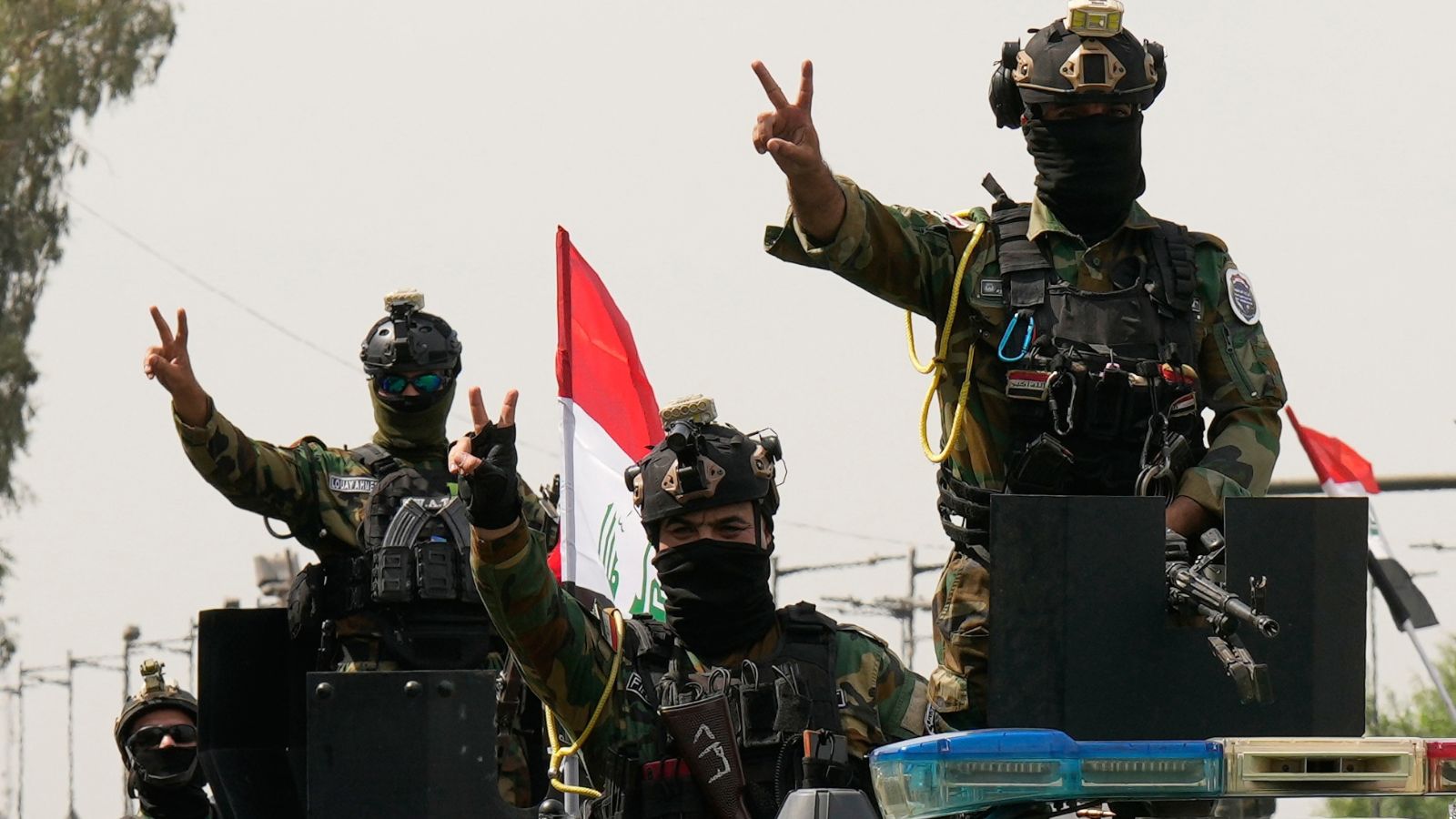
The last U.S. troops have left Iraq after being there for many years.
The United States first invaded Iraq in 2003 and later returned to fight Islamic State.
Islamic State no longer controls large areas, but it still has hidden fighters.
Iran-backed militias also remain powerful in Iraq.
Some Iraqi leaders say the country can now take full responsibility for its own security.
Other Iraqis worry that the country may become less safe without U.S. troops.
Kurdish officials are especially worried because American air-defense systems have been removed.
The United States says it will still help Iraq with training and intelligence.

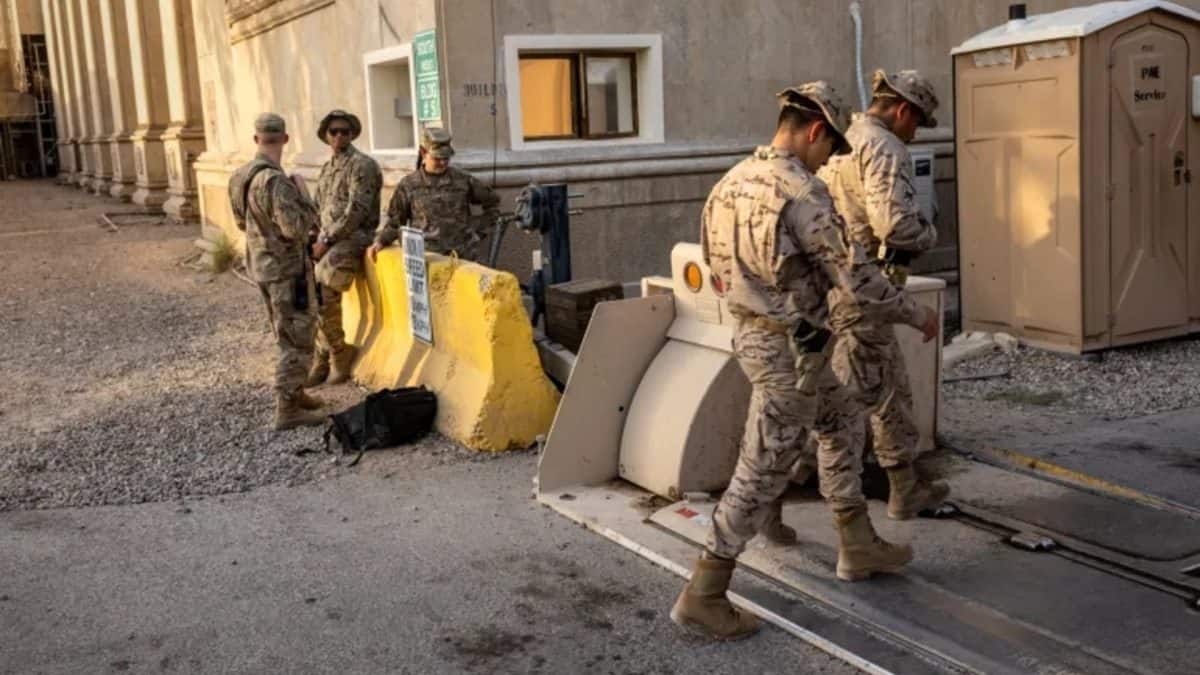
The United States ended its military mission in Iraq on September 30, 2026, after the final troops left an air base near Erbil.
Washington and Baghdad agreed in 2024 to wind down the mission because Islamic State had been reduced to scattered sleeper cells.
The United States will continue providing Iraq with targeted training, intelligence support, and other assistance.
Iraqi officials celebrated the withdrawal, but analysts warned that Iran-backed militias and Islamic State could exploit a security gap.
Kurdish officials expressed concern about losing U.S. air defenses after more than 1,000 drone and ballistic-missile attacks during the U.S.-Iran conflict.
- Who
- The United States, Iraq, Iraqi security forces, Iran-backed militias, and Islamic State are the main parties involved.
- What
- The United States completed its military withdrawal from Iraq while retaining targeted training and intelligence support.
- Where
- The final troops left an air base near Erbil in Iraq’s semi-autonomous Kurdish region.
- When
- The withdrawal was completed on Wednesday, September 30, 2026; the U.S.-Iraq agreement was reached in 2024.
- Why
- Washington and Baghdad agreed to end the mission after Islamic State was reduced to scattered sleeper cells, while the United States was also seeking to shift attention toward Asia.
Supporters of the Withdrawal
Those Concerned About the Withdrawal
Iraqi sovereignty
Supporters of the Withdrawal
Iraqi leaders and Iran-backed groups describe the departure as a victory and a move toward full Iraqi sovereignty.
Those Concerned About the Withdrawal
Critics say Iraq’s security institutions may not yet be prepared to manage all threats without U.S. military support.
Threat from Islamic State
Supporters of the Withdrawal
The United States and Baghdad agreed to end the mission because Islamic State had lost its territorial caliphate and was reduced to sleeper cells.
Those Concerned About the Withdrawal
Iraqi analysts and security officials warn that the group could regroup or exploit a security vacuum, particularly because Iraq lacks sufficient air defenses.
Role of Iran-backed militias
Supporters of the Withdrawal
Militia supporters say ending the U.S. presence completes Iraq’s sovereignty and may strengthen the country’s independence from foreign forces.
Those Concerned About the Withdrawal
Other analysts fear the militias could expand their influence over state policy and institutions, while powerful groups have resisted disarmament.
Key facts
- Withdrawal date
- September 30, 2026
- Length of U.S. involvement
- 23 years since the 2003 invasion
- Final departure point
- An air base near Erbil in northern Iraq
- Continuing U.S. role
- Targeted training and intelligence support
- Islamic State status
- Reduced to scattered sleeper cells but not eliminated
- U.S. casualties
- More than 4,500 U.S. troops died in Iraq; 18 U.S. service members were killed since the war with Iran began, including seven in Iraq
- Iraqi civilian deaths
- The Iraq Body Count project reports more than 200,000 Iraqi civilians killed
- Militia disarmament deadline
- Prime Minister Ali al-Zaidi has said the deadline is now June 2027
Quotes
Jassim al-Bahadli
Analyst who advises Iraq’s security forces
“does not mean the end of our battle against terrorism”
 indianexpress.com
“security vacuums can be extremely dangerous”
indianexpress.com
Sources
Related news
US Completes Iraq Withdrawal After Islamic State Mission
U.S. Troops End Iraq Mission as Iran Gains Strategic Advantage
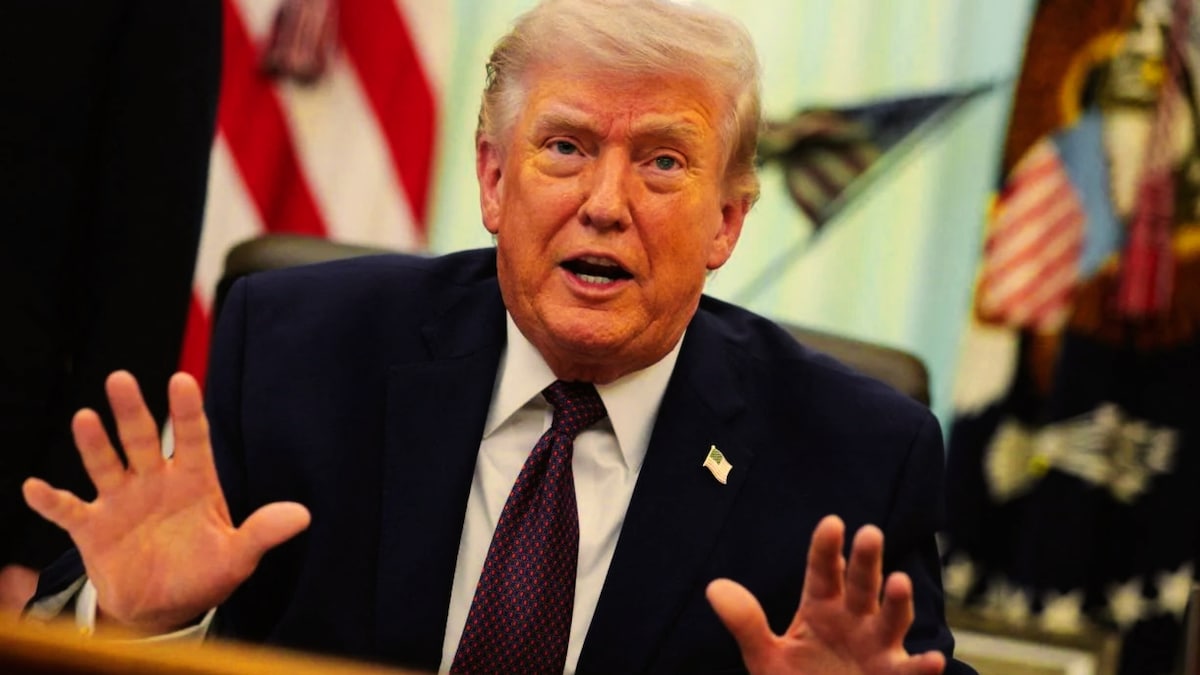
Trump Hails US Withdrawal From Iraq After 12-Year Mission

Trump Announces Final U.S. Troop Withdrawal From Iraq
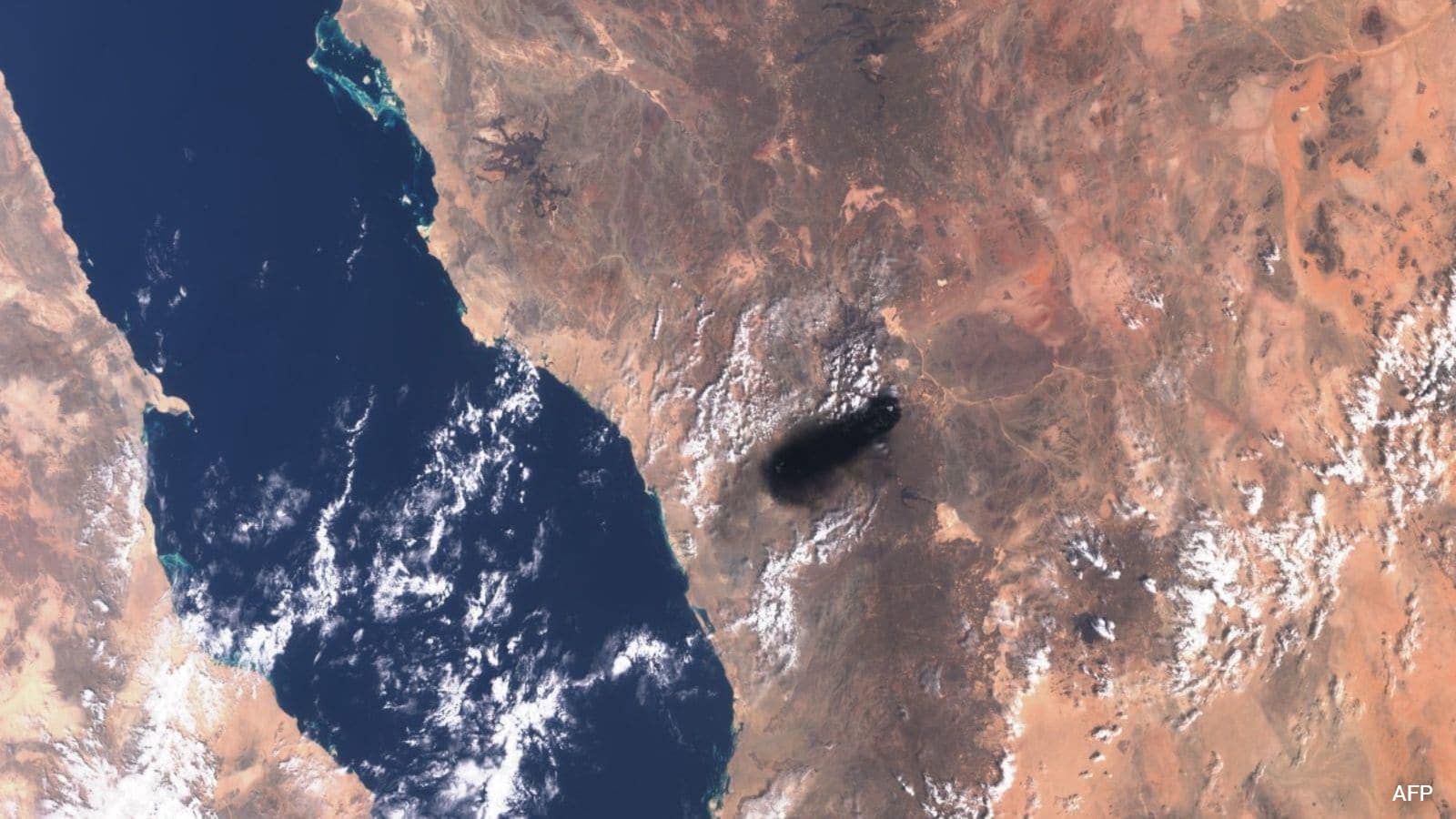
Iraq Sets Iran Crossing Reopenings After Saudi Pipeline Drone Attack
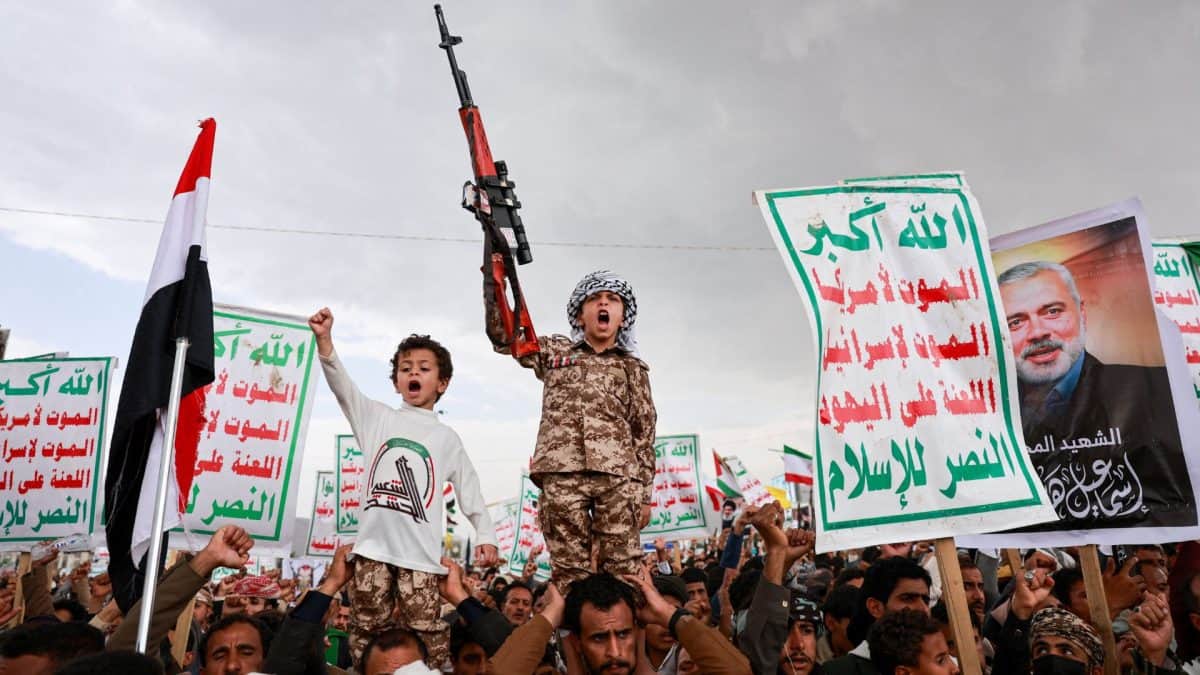
Iran’s Proxy Network Weakens, But Its Wars Persist