1 hr ago
US Completes Iraq Withdrawal After Islamic State Mission
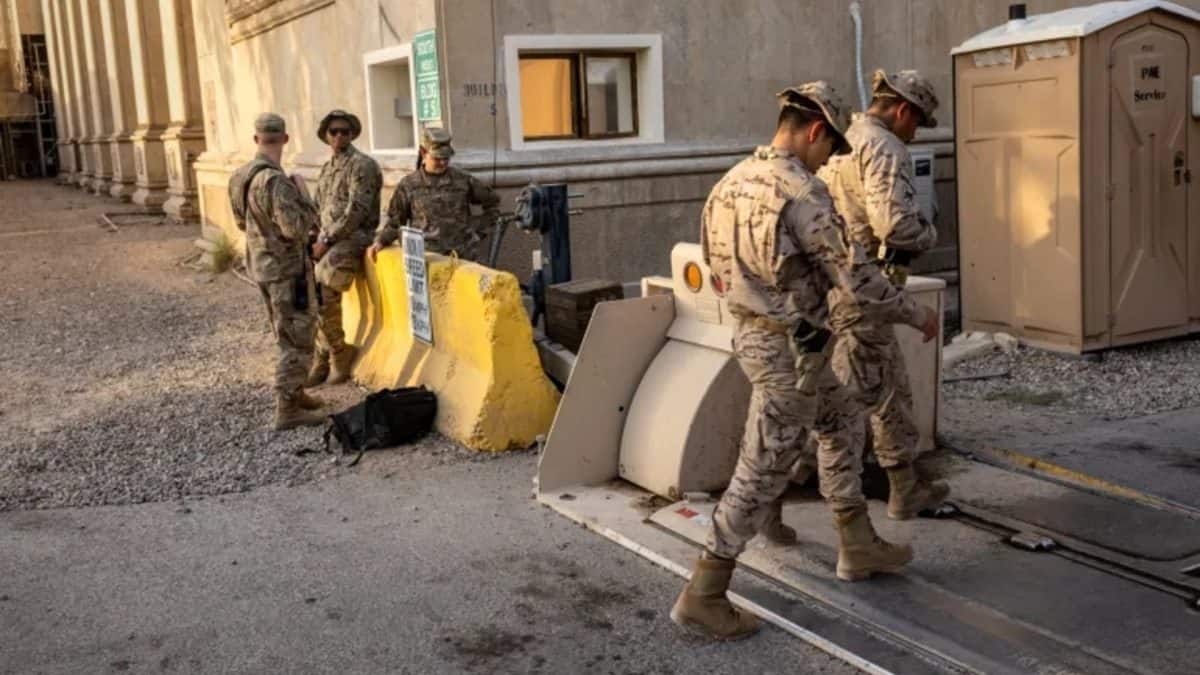
The United States has removed its last troops from Iraq.
The troops had been helping fight Islamic State since 2014.
Islamic State once controlled large areas of Iraq but is now mostly made up of scattered sleeper cells.
The withdrawal was agreed upon by the United States and Iraq.
Iraqi leaders say this gives Iraq more control over its own security.
Kurdish officials worry that removing American air defenses could make their region less safe.
Some militias supported by Iran have attacked American positions and still operate in Iraq.
Iraq now has to manage more of its own security while dealing with the United States, Iran, and armed groups.

The final US personnel and equipment left an air base in Iraq’s northern Kurdish region.
The withdrawal ends a 12-year US-led military mission launched in 2014 against Islamic State.
Most US forces had already departed Iraqi bases last year, leaving several hundred in the Kurdish region.
Iraqi officials welcomed the move as strengthening national sovereignty, while Kurdish officials raised security concerns.
Baghdad postponed its deadline for disarming non-state militias to June 2027 amid continued tensions involving Iran-backed groups.
- Who
- The United States, Iraq, Kurdish officials, Islamic State, and Iran-backed Iraqi militias are involved.
- What
- The United States completed the withdrawal of its remaining troops and equipment from Iraq, ending its military mission against Islamic State.
- Where
- The final US personnel left an air base in Iraq’s northern Kurdish region, near Irbil.
- When
- The mission began in 2014; most US forces left Iraqi bases last year, and the final withdrawal has now been completed. A militia-disarmament deadline was moved to June 2027.
- Why
- The withdrawal followed a 2024 agreement between Washington and Baghdad after Islamic State was significantly weakened as an organized military force.
Supporters of the Withdrawal
Critics and Security Concerned Officials
Iraqi sovereignty
Supporters of the Withdrawal
Baghdad says ending the US-led mission is a step toward greater Iraqi sovereignty and greater Iraqi responsibility for security.
Critics and Security Concerned Officials
Critics argue that the departure could leave Iraq more exposed while tensions involving Iran and armed militias continue.
Security in the Kurdish region
Supporters of the Withdrawal
The United States says its campaign significantly weakened Islamic State as an organized military force, and the military role can therefore end.
Critics and Security Concerned Officials
Kurdish officials say removing US air-defense systems could make the region more vulnerable after repeated drone and ballistic-missile attacks.
Armed militias
Supporters of the Withdrawal
Some Iran-backed groups welcomed the US departure and opposed the continued foreign military presence.
Critics and Security Concerned Officials
Baghdad faces difficulty bringing those groups under state control, as several powerful militias rejected or conditioned demands to disarm.
Key facts
- Mission duration
- 12 years
- Mission start
- 2014
- Final departure location
- An air base in Iraq’s northern Kurdish region
- Main military objective
- Defeating Islamic State
- 2024 agreement
- Washington and Baghdad agreed to gradually end the coalition’s military mission
- Militia disarmament deadline
- Postponed to June 2027
- Reported attacks in the Kurdish region
- More than 1,000 drone and ballistic-missile attacks during the recent conflict
Sources
Related news
U.S. Troops End Iraq Mission as Iran Gains Strategic Advantage

Trump Administration Weighs Smaller U.S. Military Footprint in West Asia

Iran’s IRGC Claims Retaliatory Attacks on US Bases Regionwide

Iran Reports Wide-Ranging Attacks on U.S. Military Targets

Trump Threatens 'Annihilation' as Iran Leaders Receive Visas

Iran Launches Alleged Missile and Drone Attack on Kuwait